Key takeaways
- Battery recalls are often proactive measures to prevent thermal events, not necessarily evidence of a failed vehicle.
- Monitoring your battery’s State of Health (SoH) through manufacturer apps is essential for long-term ownership.
- Consistent charging habits, such as avoiding 100% charge for daily use, significantly extend battery life.
- Indian infrastructure pilots, such as BEM and HPCL, are setting new standards for battery safety and standardization.
Imagine sipping your morning chai while looking at your car’s dashboard, wondering if that 92% battery capacity will hold up for another decade. If you are curious about how to maximize ev battery life, you are focusing on the most critical part of your ownership experience. With recent headlines involving major recalls—like those affecting over 85,000 Volkswagen and Audi units—it is clear that understanding electric vehicle battery health is no longer optional.
We will look at what actually triggers an EV battery recall, how to interpret your car’s internal health diagnostics, and why your charging habits matter more than your driving style. Whether you are tracking your data manually or using tools like How to Edit Files Directly in Gemini: A Step-by-Step Guide to organize your service logs, staying informed is the best way to protect your investment and ensure you hit the expected life of your vehicle’s battery.
Understanding the Current Wave of Battery Recalls
If you are trying to figure out how to maximize ev battery life, seeing headlines about a major EV battery recall can feel discouraging. However, recent actions from manufacturers like Volkswagen, Audi, and General Motors are a sign of an industry maturing under strict safety standards. Volkswagen’s recent recall impacts over 85,000 vehicles, while General Motors has issued multiple replacements for specific Equinox EV, Blazer EV, Silverado EV, and BrightDrop models.
These actions typically fall into two categories: software-based battery management system (BMS) errors or physical manufacturing defects. Software updates can often fix minor communication gaps between the cells and the vehicle, while physical defects—such as those causing internal short circuits—require hardware swaps. Understanding these differences is as important as knowing the Difference Between Ebike and Emoto: Laws and Safety Guide when assessing your daily transport risks.
To check if your car is affected, do not rely on hearsay. Visit your manufacturer’s official support portal and enter your 17-digit VIN. A recall is a proactive safety measure, not a sign that the battery technology has failed permanently.
What Triggers a Battery Recall?
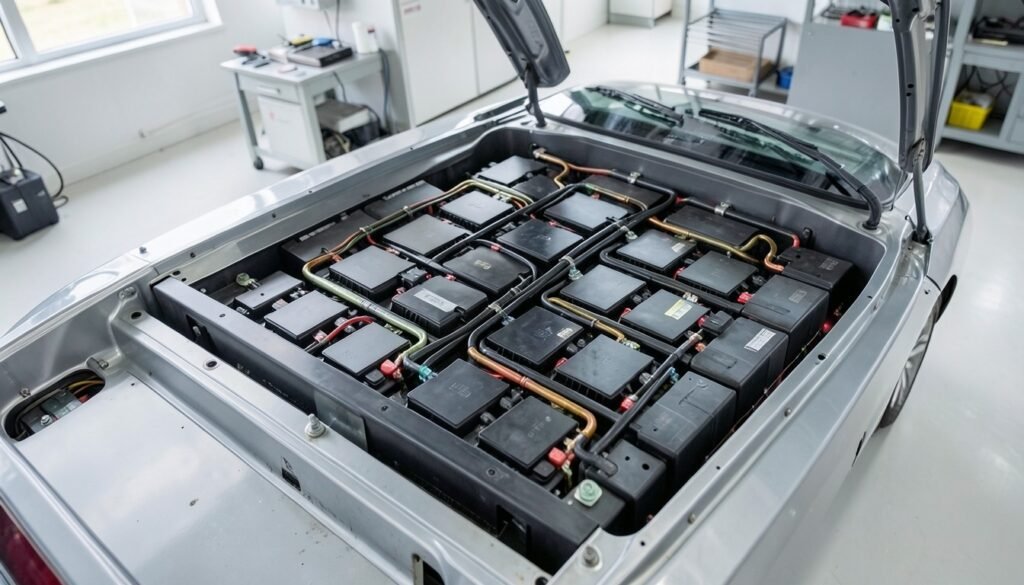
You might wonder why a car gets pulled for an EV battery recall. Often, it stems from invisible manufacturing defects. If a microscopic particle enters a cell during assembly or if internal components aren’t perfectly aligned, an internal short circuit can occur. This leads to localized heating, which can trigger a thermal event.
Your Battery Management System (BMS) is your first line of defense. It constantly monitors for voltage drops or temperature spikes that signal a struggling cell. When the BMS detects these anomalies, it logs an alert—that is your cue to visit an authorized dealer.
While learning how to maximize ev battery life is vital, remember that older battery chemistries are often more sensitive to these manufacturing stresses than newer, high-density packs. Modern systems handle heat better, but no hardware is infallible. Most importantly, ignore third-party diagnostic apps that claim to predict battery failure. Always stick to official manufacturer documentation; they hold the proprietary data to identify if your specific pack requires service. Relying on their official notices is the safest way to ensure your electric vehicle battery health is properly managed and that you aren’t chasing ghosts.
Interpreting Your Battery Health Report
Your car’s State of Health (SoH) metric is the gold standard for electric vehicle battery health. Think of it as a percentage of your battery’s original capacity. If your car shows 95% SoH, it doesn’t mean your battery is failing; it’s just showing expected degradation. Most manufacturers provide diagnostic readouts in their proprietary apps. Checking these monthly is the smartest way to learn how to maximize ev battery life.
Avoid hitting 100% charge daily. According to the Department of Energy, charging to capacity creates stress on lithium-ion cells, accelerating chemical aging. Aim for 80% for daily commutes.
It is vital to distinguish between standard capacity loss and abnormal cell voltage variance. While slow capacity loss is expected as part of the ev battery life expectancy, significant voltage differences between cells often point to hardware failure. If your app highlights a specific module imbalance, it might be a precursor to an EV battery recall. Just as How FDA Approved AI Diagnostic Tools Assess Alzheimer’s Risk uses patterns to identify risks, your car’s BMS uses internal sensors to flag these anomalies before they become critical. If you see a sudden drop in range or uneven charging speeds, don’t ignore it.
Charging Habits and Battery Longevity
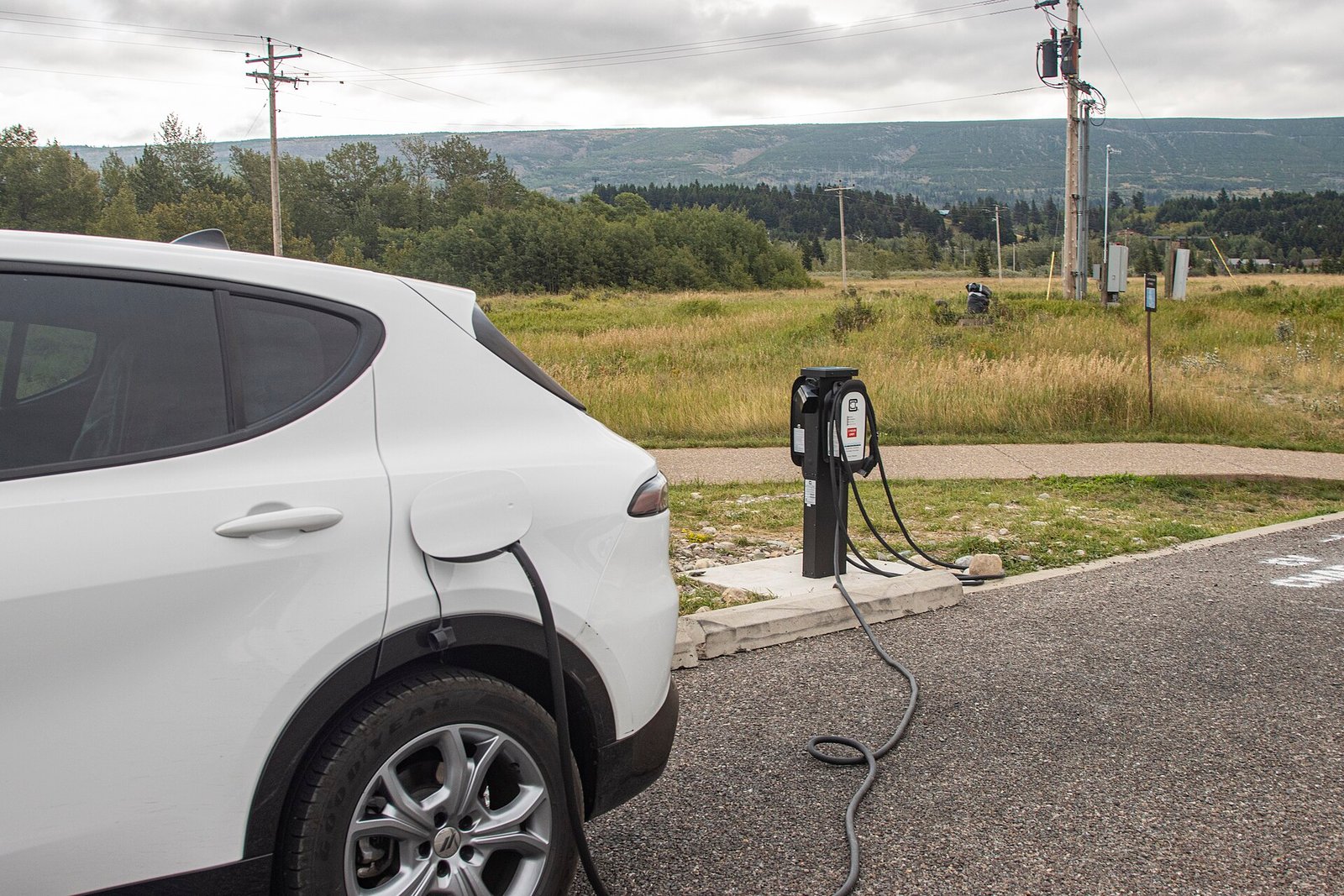
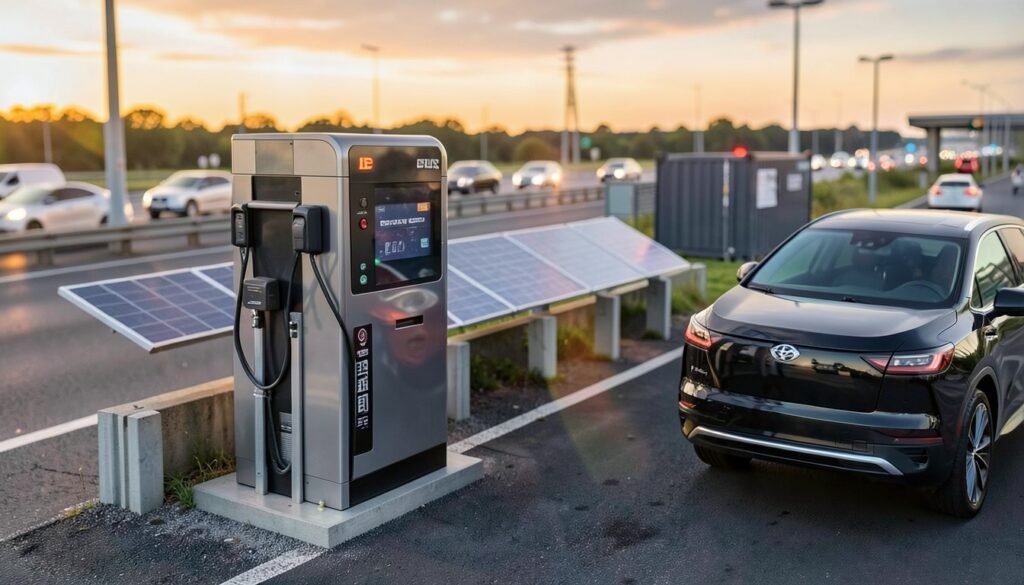
When you want to know how to maximize ev battery life, your daily charging habits are the most powerful tool you have. While DC fast charging is incredibly convenient for road trips, it generates significant thermal stress within the pack. According to the Department of Energy, excessive heat is a primary driver of degradation. If you rely on high-speed public chargers for every session, you are pushing your battery harder than it prefers.
Ambient temperature matters just as much as charging speed. Extreme heat or bitter cold forces the battery management system to work overtime to maintain safety, which negatively impacts long-term electric vehicle battery health. For daily use, stick to Level 2 home charging whenever possible. Aim to keep your state of charge between 20% and 80% to reduce chemical stress on the cells.
Recent research highlighted by Tech Xplore points to "oxygen release" as a critical chemical process that can lead to internal cell instability. By avoiding extreme charge windows, you minimize the intensity of these reactions. Think of your battery like a marathon runner; steady, moderate pacing keeps it healthy far longer than sprinting to full capacity every night. If you charge at home, set a limit to stop at 80%—it is the simplest, most effective step to maintain your battery.

AI and Software: The Silent Guardians of Your Battery
Modern battery management systems are far more than just glorified fuel gauges. Manufacturers now use machine learning models to analyze thousands of data points—like cell temperature, voltage fluctuations, and internal resistance—to spot signs of degradation before a failure occurs. By identifying these microscopic inconsistencies, systems can often predict cell failure well before a warning light flickers on your dashboard.
When you are looking at how to maximize ev battery life, consider over-the-air (OTA) updates your best friend. Automakers frequently push software patches that refine how your battery charges and discharges. These adjustments are vital for maintaining electric vehicle battery health, as they can throttle charging speeds or modify voltage limits to accommodate an aging pack. This process is essential for extending the expected life of an EV vehicle battery as the chemistry naturally changes over time.
Software acts as the primary buffer against thermal runaway by constantly monitoring for hazardous heat spikes. However, AI is not magic. It cannot repair a physical manufacturing defect or a faulty seal within a cell. If a battery has a structural flaw, no amount of clever code will fix it. Software-based monitoring is your first line of defense, not a cure-all for hardware issues.
Infrastructure and Battery Safety in India
In India, the move toward standardized battery swapping, like the pilot projects involving BEML and HPCL, is changing how we approach electric vehicle battery health. These swapping stations often use factory-conditioned units, which helps you learn how to maximize ev battery life by ensuring consistent charge cycles and professional thermal management, rather than relying on inconsistent home power sources.
Regulatory Standards
The Bureau of Indian Standards has introduced specific safety requirements, such as AIS 156 and AIS 038, which mandate rigorous testing for thermal runaway and fire safety. These regulations force manufacturers to implement advanced Battery Management Systems (BMS) that protect your pack from overcharging or overheating. By adhering to these standards, the industry aims to increase the expected life of ev vehicle battery units across the country.
Staying Informed
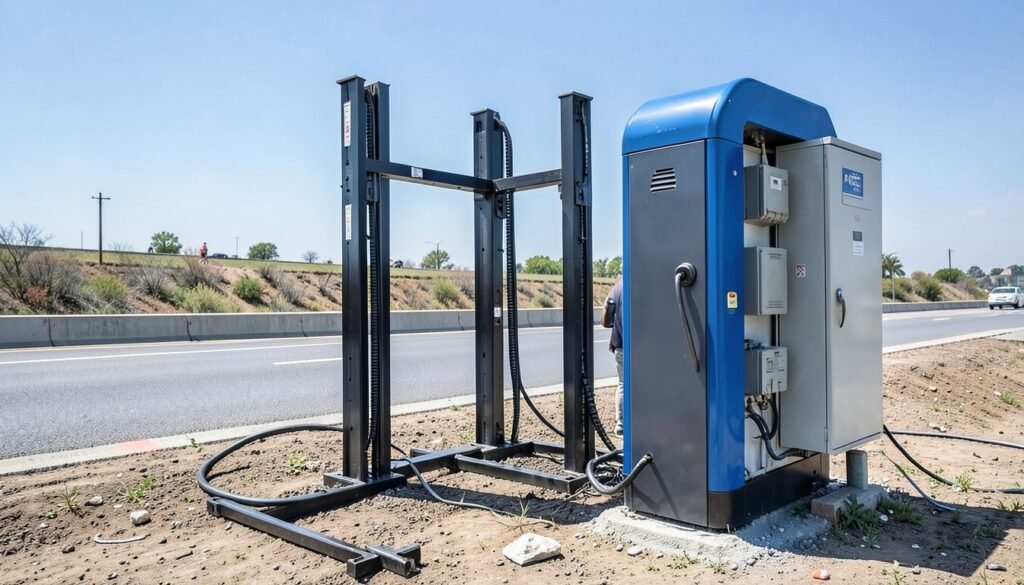
If you are an owner in India, track your vehicle’s performance through the manufacturer’s dedicated app. If you notice persistent thermal alarms or unexpected range drops, report these through the Ministry of Road Transport and Highways (MoRTH) grievance portals. Using public chargers that adhere to official Bharat AC/DC standards is also a practical way to maintain ev battery life, as these stations prevent the erratic voltage spikes that can degrade sensitive lithium-ion cells. Always check your local DISCOM’s website for area-specific charging guidance.

Warning Signs: When to Seek Professional Service
Your car talks to you, but you need to listen for the right cues to maintain your electric vehicle battery health. If you notice a sweet, chemical odor inside the cabin or around the charging port, that is a red flag for a potential coolant leak. Similarly, if your charging speeds crawl far below manufacturer specs or your range suddenly plummets, do not assume it is just the weather. While we often discuss How to Overcome EV Range Anxiety: Why It’s Dying Out in 2026, a sudden, massive drop in range is a diagnostic signal, not an anxiety issue.
Never ignore dashboard warnings regarding your high-voltage system. These lights are programmed to trigger before a catastrophic failure occurs. When they appear, contact your manufacturer’s authorized service center immediately to schedule a diagnostic scan. Most manufacturers provide specific battery warranties that cover capacity drops below a certain percentage—often 70%—or safety-related defects. Check your owner’s manual for the exact threshold. Unlike standard parts, battery diagnostics require specialized equipment, so avoid third-party shops that lack certified high-voltage training. Getting a formal record of these checks is essential if you ever need to participate in an official EV battery recall later.
The Economics of Battery Replacement
When your battery’s capacity eventually drops, you face a tough decision: pay for a new pack or trade in the car. For many older models, the cost of a full pack replacement can exceed the vehicle’s current market value, making a trade-in the more logical financial move. However, as the secondary market matures, we are seeing used battery modules increasingly repurposed for stationary energy storage, which could eventually lower recycling and disposal costs for owners.
Keeping detailed service records is essential for your long-term resale value. If you have had an EV battery recall addressed, document every single step. Future buyers want assurance that the hardware is reliable, not a potential liability. Transparency about repair history—whether it is a module swap or a full pack replacement—builds trust in a market still learning how to value used electric assets.
To maximize your investment, think of the battery as a high-value asset, not just a consumable part. Focus on how to maximize ev battery life through consistent, moderate charging habits rather than relying exclusively on high-speed stations. By treating the pack with care, you push that expensive replacement date further into the future, making long-term ownership far more economical.
Watch: Top 9 EV Battery Charging Best Practices for Long Battery Life
Frequently Asked Questions
How do I know if my EV battery is failing?
Watch for a sudden, unexplained drop in your total range. Most modern EVs provide a health percentage via the dashboard or a connected mobile app. If you notice persistent charging errors or the vehicle refuses to hold a charge properly, it is time for a diagnostic. According to the Department of Energy, monitoring these health reports is key to maintaining long-term performance.
Does fast charging damage my battery permanently?
Occasional fast charging is perfectly fine, but frequent use generates excess heat, which is not ideal for cell longevity. While modern thermal management systems work hard to protect components, try to stick to Level 2 charging for your daily routine. If you must fast charge, keeping your state of charge between 20% and 80% is a smart way to maximize EV battery life.
What should I do if my car is included in a battery recall?
Don’t panic, but do not ignore it. Recent cases, like the recall involving over 85,000 Volkswagen and Audi units, show how manufacturers manage safety risks. Check your VIN on the official manufacturer portal immediately. Follow their specific instructions, which might include avoiding full charges or parking outdoors until the service is completed by your local, authorized service center.
How long should an average EV battery last before needing replacement?
Most manufacturers offer warranties covering eight years or 100,000 miles, but real-world life expectancy often exceeds this. While some specific vehicles, such as certain Chevy models, have required early battery replacements, most packs are designed to last the life of the car. By avoiding extreme temperatures and keeping your charge levels in the "sweet spot," you can significantly extend your EV battery life.
The Bottom Line on Battery Longevity
Let’s be honest: while headlines about an EV battery recall can feel alarming, they are usually the result of manufacturers identifying and addressing risks early. The expected life of an EV vehicle battery is often longer than the car itself, provided you aren’t constantly pushing it to its thermal limits.
If you want to know how to maximize EV battery life, stop overthinking every single charge and start focusing on consistency. Keep your battery between 20% and 80% whenever possible, and avoid relying solely on high-speed DC charging. If you are living in India and curious about how local infrastructure impacts your charging routine, How to Start EV Charging Station in India: A Reality Check offers a great look at the current power grid. Your next step? Check your manufacturer’s app monthly for health data. It’s the easiest way to stay ahead of potential issues.

Join the conversation