Key takeaways
- Supply chain, labor, and permitting bottlenecks drove the Q2 slowdown.
- Grid‑capacity constraints are the biggest hidden cost for high‑power chargers.
- India’s HPCL‑BEM pilot shows how subsidies and solar‑plus‑storage can offset costs.
- Standardized site kits and early utility coordination can shave months off projects.
- Federal funding slated for 2025 should revive fast‑charger growth if deployed efficiently.
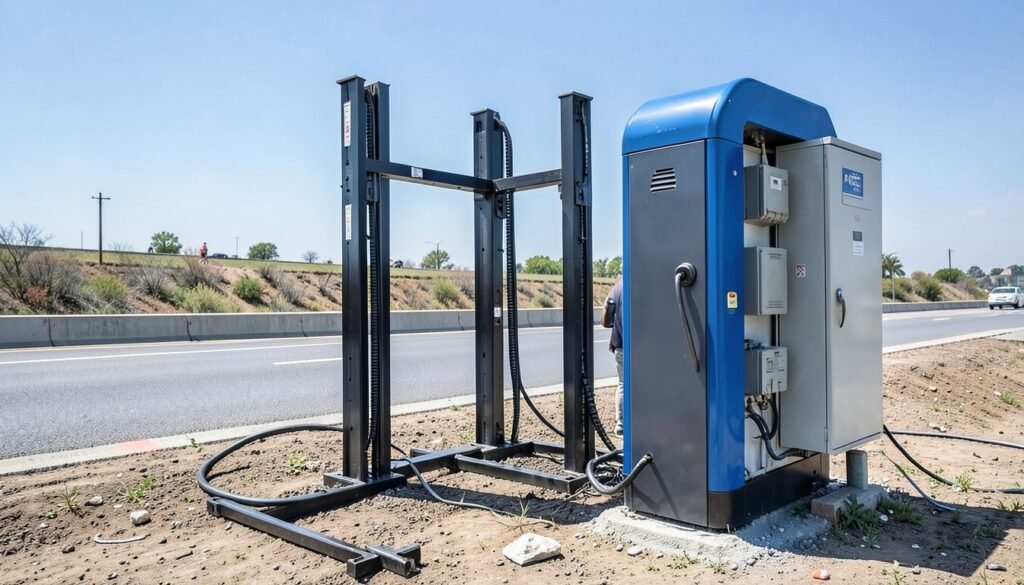
You pull off the highway, battery blinking red, hoping for a quick top-up, only to find an empty lot where a station should be. It is frustrating, but it is the reality of the current market. The challenges in building ev fast charging stations are becoming impossible to ignore, even as EV adoption grows. According to recent data from insideevs.com, the U.S. added 4,382 new fast-charging ports in Q2 2024, a 10% year-over-year dip. Operators are not just slowing down; they are shifting focus toward long-term profitability and station quality rather than raw speed of deployment. We have seen this trend before—check out our analysis on Why EV Fast Charging Infrastructure Slowed: Global Lessons for the full picture. In this guide, I will break down the bottlenecks, from grid capacity to permitting, and show you how smart operators are getting projects across the finish line.
The Q2 2024 Fast‑Charging Gap: What the Numbers Show
If you look at the raw numbers, the challenges in building ev fast charging stations have become increasingly apparent as network expansion hits a speed bump. Official data from the Department of Energy shows a 12% drop in new DC fast-charger permits during the second quarter of 2024 compared to the first. While we saw aggressive deployment throughout 2023, this mid-year dip signals that the market is recalibrating. For perspective, compare this to Europe, which managed an 8% increase in charging infrastructure over the same period, suggesting that while the US is cooling off, other markets are finding their rhythm.
Geographic variance remains the biggest story here. California continues to dominate, absorbing a massive share of new permits, while the Midwest and Northeast struggle with slower permitting cycles and grid-readiness hurdles. It is not just about installing hardware; it is about infrastructure alignment. Operators now face a complex landscape where efficiency matters more than speed. If you are managing these projects, you need to focus on uptime and reliability—something we cover in our EV Battery Charging Best Practices: An Operator’s Guide. When the permitting pipeline narrows, the focus must shift from sheer volume to high-quality, high-utilization deployments that actually serve the current fleet.
Supply‑Side Constraints: Hardware, Labor, and Permitting
Building an ev fast charging station is rarely as simple as just buying hardware and digging a trench. One of the primary challenges in building ev fast charging stations remains the global shortage of semiconductors. These chips are essential for the controllers and power electronics that define the latest ev fast charging technology. When these critical components are delayed, your rollout plan hits a wall before you even break ground.
Then there is the labor gap. Construction-union reports consistently point to a shortage of electricians certified for high-voltage infrastructure. Installing an ev car fast charger requires specialized skills, and the competition for this talent is fierce.
Permitting is the final bottleneck, often turning simple projects into years-long marathons. In high-density urban areas, these fast charger deployment challenges are acute. For example, some developers in Seattle have reported waiting up to five years just to clear land-use permits for a single site. While companies are working to improve the user experience through better hardware and infrastructure, as noted in reports from freep.com, the administrative and technical hurdles remain the real speed bumps for the industry.

Grid‑Readiness Bottlenecks
The physical hardware is just the start. When you deploy the latest ev fast charging technology, such as 350kW ultra-fast chargers, the local grid often struggles to keep up. Utility filings in California frequently show that upgrading distribution lines for a single high-power hub can cost hundreds of thousands of dollars and take months of coordination. It is a logistical puzzle that demands as much technical precision as the automation found in this Boston Dynamics Stretch Case Picking: Warehouse Integration Guide.
New York’s “grid-capacity curtailment” rules further complicate these challenges in building ev fast charging stations. Developers must now account for mandatory power throttling during periods of high grid stress, which directly affects where an ev fast charging station can be sited profitably. If a utility can force you to dial back power output, your high-speed promise to the customer vanishes, impacting your station’s reputation.
In renewable-heavy grids like Texas, we see a different fast charger deployment challenge: the timing mismatch. Solar and wind output often peaks when consumer demand is low, yet charging spikes when drivers return home. Aligning these loads requires sophisticated energy management, making it difficult to operate profitably without integrated battery storage systems.
Policy and Incentive Shifts
Policy shifts often determine whether an ev fast charging station project moves from a drawing board to a live site. In the U.S., the expiration of the 2022 Federal EV Infrastructure Grant created a noticeable funding void, leaving many operators to pause and re-evaluate their portfolios. When government backing dries up, the focus shifts to internal capital, which naturally slows down fast charger deployment challenges.
Uncertainty is the biggest enemy of private investment. Operators don’t like to commit millions when they don’t know if the regulatory environment will change next year. This is a continental issue; as noted in reports about municipal red tape in Canada, administrative hurdles often kill more projects than technical ones.
Contrast this with the current approach in India. The HPCL-BEM pilot program offers a 30% subsidy for the installation of fast chargers. By providing a clear, fixed financial incentive, the government effectively lowers the threshold for entry, helping operators manage their long-term ROI. While the U.S. market is still maturing, these targeted, concrete subsidies provide the stability needed to overcome the challenges in building ev fast charging stations that currently plague the private sector.
Economic Factors: Cost Inflation and ROI Concerns
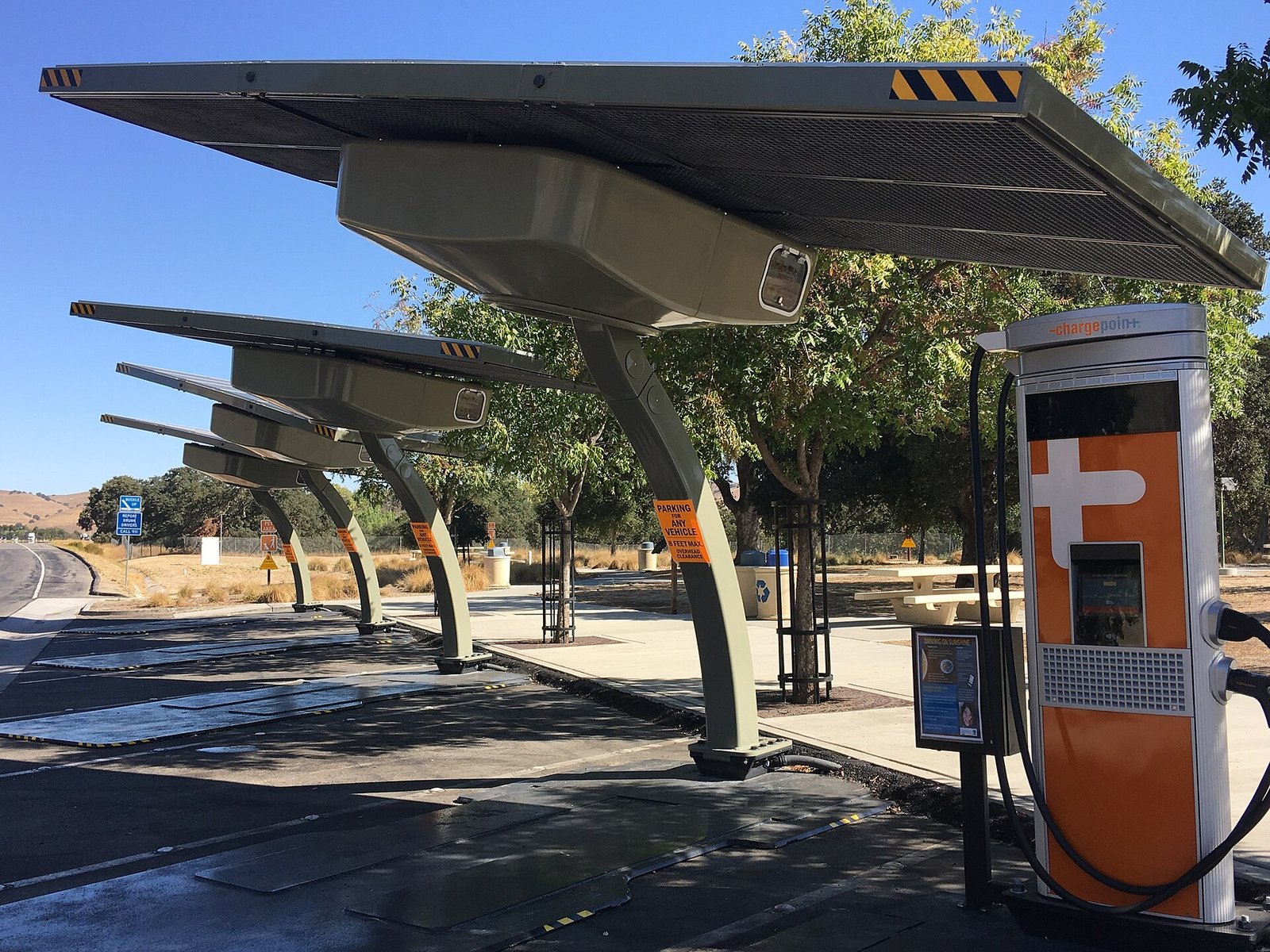
Building an ev fast charging station isn’t just about hardware; it’s about making the math work. In 2022, the capital expenditure for high-capacity hardware was significantly lower. Today, equipping a site with a 350 kW DC fast charger often hits around $180,000. That’s a steep entry price, especially when you factor in local grid upgrades and site preparation.
Operators are feeling the heat. With average utilization rates hovering at 15.8%, it takes a long time to see a return on that massive upfront investment. For a typical highway rest-stop charger, break-even calculations remain elusive unless traffic volumes consistently stay above the current baseline. If a station sits empty for most of the day, those high-powered cabinets are just expensive liabilities.
Safety standards also add to the hidden costs. You cannot cut corners here, as site owners must prioritize EV Lithium Battery Safety: Preventing Thermal Runaway and Fires to mitigate risk. These fast charger deployment challenges mean that many operators are now choosing to focus on higher-traffic corridors rather than speculative locations. It’s no longer about total coverage; it’s about choosing spots where the electricity actually sells.
What Indian Operators Are Doing Differently
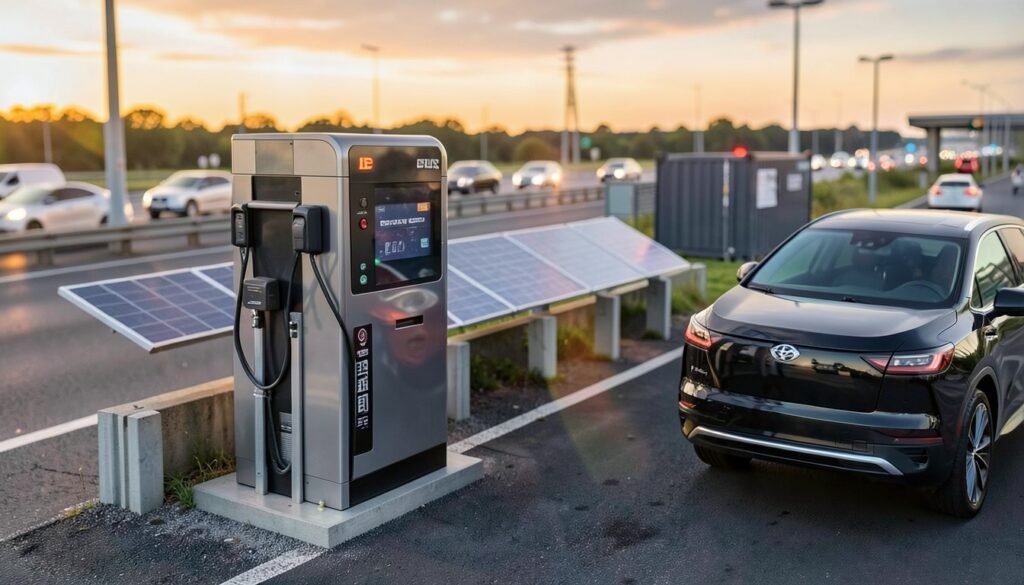
While U.S. operators grapple with a 10% year-over-year decline in new port deployments as noted by insideevs.com, Indian players are taking a different path to overcome the common challenges in building EV fast charging stations. In the Delhi-NCR region, the HPCL-BEM pilot is testing a high-efficiency power-sharing model across several strategic sites. Instead of relying solely on expensive, heavy-duty grid upgrades, these operators are increasingly deploying solar-plus-storage micro-grids. By capturing solar energy and storing it in local battery banks, they significantly reduce dependence on the local utility during peak demand hours.
This approach offers three practical lessons for developers globally:
- Modular Design: Using standardized, scalable hardware modules allows for faster site commissioning and easier maintenance.
- Bundled Financing: Integrating charging infrastructure costs directly with retail or commercial real estate developments lowers the initial financial barrier.
- Community-Ownership Models: Localizing the investment and site management often secures quicker municipal approvals and long-term operational buy-in.
By shifting away from massive, grid-dependent hubs toward these smaller, localized micro-grids, Indian operators are effectively minimizing fast charger deployment challenges. This shift suggests that the future is not just about bigger, faster chargers, but smarter, self-sustaining energy pockets that do not wait for grid capacity to catch up.
Practical Steps to Accelerate Projects Today
If you want to overcome the common fast charger deployment challenges, stop treating every site like a custom engineering project. Start by mapping your stakeholders—utility providers, local municipal authorities, and private landowners—during the site acquisition phase, not after. In India, for instance, early coordination with local DISCOMs is often the difference between a project going live in three months or languishing for a year.
Efficiency comes from modularity. Adopt standardized site-design kits that align with both international IEC 61851-23 protocols and Indian IS-17025 standards. This approach simplifies procurement for your ev fast charging station hardware, ensuring compatibility regardless of where you build. As you look into EV Charging Standards and Protocols: Navigating the NACS Shift, remember that hardware is only half the battle.
Finally, integrate smart-charge management platforms. By aligning your load with renewable energy peaks, you reduce operating costs and stress on the grid. These platforms allow you to throttle output intelligently when demand spikes, keeping your ev car fast charger usage profitable. Moving from reactive maintenance to data-driven load balancing is the best way to bypass the technical bottlenecks currently slowing down the industry.
Future Outlook: When Will the Pace Recover?
The recovery won’t happen overnight, but the path is clearer than it was last year. The primary driver for growth is the 2025 Infrastructure Bill, which earmarked $7 billion specifically for expanding the public network. This capital is essential for overcoming the financial fast charger deployment challenges that sidelined smaller operators in Q2.
On the technical front, the industry is shifting toward 800V architecture. This latest ev fast charging technology does more than just speed up the charge for the driver; it simplifies the hardware. By requiring smaller, more manageable wiring and cooling components, 800V systems can effectively halve installation time at complex sites.
We are also seeing a smarter approach to utility planning. AI-driven grid forecasting is finally moving from theory to practice, helping developers pinpoint locations that won’t require massive, expensive grid upgrades. This data-backed approach reduces the permitting friction that currently hampers project timelines. As noted in recent reports on freep.com, the focus is shifting from simple expansion to reliable, high-quality infrastructure that includes basic comforts. When operators stop racing for "number of stations" and focus on grid-ready, high-speed sites, the pace of construction will naturally stabilize.
Watch: Inside the slow rollout of electric vehicle charging stations
Frequently Asked Questions
Why did the U.S. add fewer fast‑charging stations in Q2 2024?
According to InsideEVs, the U.S. added 4,382 new ports in Q2 2024, representing a 10% year-over-year decline. Rather than simple volume, Chargeonomics analysts note that operators are shifting their strategy. Companies now prioritize profitability and the quality of the charging experience—including amenities like Wi-Fi and air-conditioned lounges—over rapid, wide-scale infrastructure deployment. This reflects a broader industry move toward operational efficiency.
How do grid capacity limits affect EV charger siting?
Grid capacity is often the primary bottleneck for an ev fast charging station. When a site requires significant power for high-speed charging, local utilities may require expensive transformer upgrades or grid reinforcements. These technical hurdles extend project timelines and increase upfront capital costs, often forcing operators to abandon sites where the local infrastructure simply cannot reliably support the surge in electricity demand required by fast chargers.
What subsidies are available for fast‑charging projects in India?
In India, the government incentivizes ev fast charging station development primarily through the FAME-II scheme and subsequent initiatives like the Electric Mobility Promotion Scheme (EMPS). These programs provide capital subsidies for public charging infrastructure. Interested operators should monitor the Ministry of Heavy Industries portal for specific eligibility criteria, as these schemes are periodically updated to support the expansion of high-speed charging networks across urban corridors.
What is the average cost to install a 350 kW DC fast charger today?
Installing a 350 kW fast charging ev technology setup is a significant capital investment, though specific total project costs vary wildly based on site-specific needs. While market averages exist, they are highly dependent on local labor, grid connection fees, and hardware prices. Because utility requirements and permitting costs fluctuate significantly by region, there is currently no universal, verified industry-wide figure for these total installation costs.
Looking Ahead: The Pivot to Quality
The industry is hitting a necessary maturity phase. While we saw a 10% year-over-year decline in new port installations in Q2, this isn’t just about the fast charger deployment challenges we’ve discussed. It’s a deliberate shift in strategy. Operators are trading sheer volume for quality, prioritizing amenities like better lighting, restrooms, and lounges because a lonely, unreliable charger helps no one. With utilization rates currently hovering around 15.8%, the goal now is ensuring the infrastructure we have is actually dependable.
As you plan your next move, remember that hardware longevity matters as much as raw power. Understanding how battery chemistry and grid loads interact is vital, so take a moment to look at How Oxygen Release Can Help You Prolong EV Battery Life. My advice? Stop chasing sheer installation numbers. Focus on high-utility locations that guarantee uptime. That’s how you win.


Join the conversation