
Key takeaways
- Controlled oxygen release stabilises cathodes and cuts capacity loss.
- Early pilots in India show up to 15 % longer usable range after 5 years.
- Charging habits remain similar, but avoiding daily 100 % charges maximises benefit.
- Added cost is modest; long‑term savings outweigh the price premium.
You pull into a charging station, watching the percentage climb while wondering if you’re doing more harm than good to your pack. It’s a common anxiety for any EV owner. While the expected life of an ev battery is generally high—often retaining 82% capacity after eight years—your daily habits directly dictate how fast that number slips. You’re likely curious about how to prolong ev battery life beyond just standard charging tips.
Researchers are now pointing to a specific chemical process called "oxygen release" within lithium-ion cells that could change how we manage long-term health. We’ll break down what this tech means for your car, how it stacks up against the degradation factors reported by digitaltoday.co.kr, and practical steps you can take right now by following our guide on How to Maximize EV Battery Life: A Guide to Health and Reliability.
The science behind oxygen release in lithium‑ion cells
At the heart of every lithium-ion battery, your cathode is under constant chemical pressure. As you charge or drive, high voltages can cause oxygen atoms to break away from the cathode’s crystal structure. When this oxygen escapes, it does not just disappear; it reacts with the surrounding electrolyte, leading to chemical decay and structural degradation of the cell. Think of it like metal rusting from the inside out—it is a primary reason your battery loses capacity over time.
Recent reports from Tech Xplore highlight a breakthrough in oxygen release battery technology. Instead of letting this oxygen drift into the electrolyte, researchers are finding ways to control the release process. By managing how and when oxygen exits, the cathode structure remains significantly more stable during repeated charge cycles. This discovery, validated by the Department of Energy, is a shift in how we approach battery longevity. If you are wondering how to prolong ev battery life, this shift is critical. It moves us past basic management systems into fundamental chemistry. For a broader look at how these internal shifts compare to other chemistries, check out Beyond Lithium: The Reality of Next Gen Electric Car Batteries.
Comparing oxygen‑release to other degradation‑mitigation methods
Most current ways to preserve your pack focus on external control. Take thermal management, for example. Your car’s system works hard to keep cells in a "goldilocks" zone, but it is an energy-sapping battle against ambient heat. Then there is fast-charge throttling, where software intentionally slows power intake to prevent overheating. It protects the chemistry, but it adds precious minutes to your road trips.
Even electrolyte additives have limits; they create a protective layer but sometimes increase internal resistance. According to digitaltoday.co.kr, average annual degradation sits at about 2.3 percent, with high-power fast charging pushing that number even higher. These conventional methods are basically just damage control.
Oxygen-release technology shifts the focus. Instead of managing the symptoms of stress, this method targets the structural stability of the cathode itself. By managing how oxygen atoms exit the lattice, the battery can potentially avoid the micro-cracking that limits cycle life. While thermal management keeps the outside cool, oxygen-release stabilization aims to keep the inside intact. It is a fundamental shift from reactive protection to preventive structural health, moving us toward a future where "battery anxiety" might finally fade away.
Impact on range and daily driving: what owners will notice
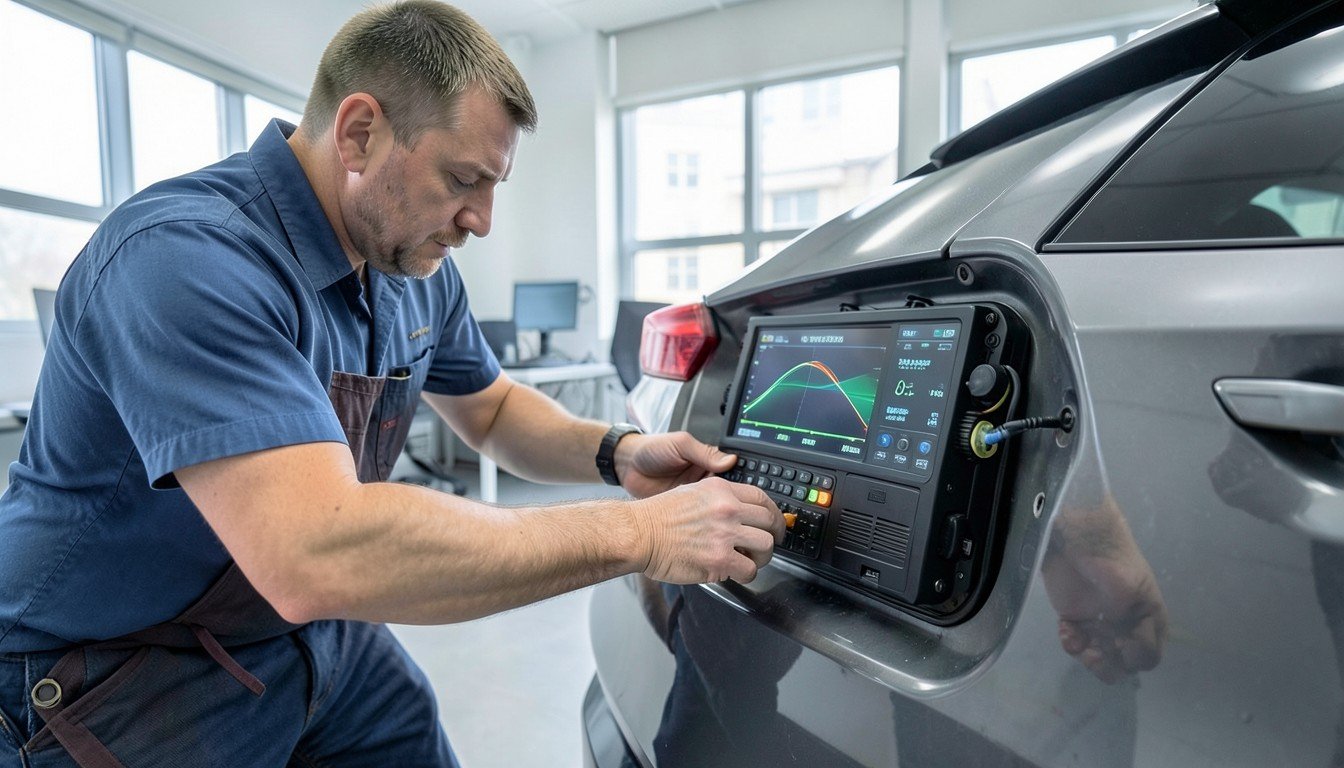
If you’re worried about the expected life of an ev battery, you’re not alone. Without advanced stabilization like oxygen release technology, a standard lithium-ion pack typically loses about 11–12% of its capacity over five years of regular use. That trend follows the industry-wide average annual degradation rate of 2.3%, as observed in data from Geotab.
By integrating oxygen release mechanisms to mitigate internal cell stressors, manufacturers aim to significantly improve long-term performance. Instead of hitting 70% capacity retention after 150,000 km, we could see vehicles maintaining closer to 85% under similar conditions. For your daily commute, that represents an extra 50–70 km of real-world range that would have otherwise evaporated. This is a practical answer to how to maximize ev battery life, ensuring you aren’t forced to charge more frequently just to cover the same distance.
Higher retention also keeps range anxiety at bay. If your car holds 85% of its original capacity after a decade, you avoid the performance drops that typically trigger charging stress. You can check out How to Overcome EV Range Anxiety: Why It’s Dying Out in 2026 to see how these advancements fit your routine. To estimate your savings, simply multiply your vehicle’s original range by the improved retention percentage to see exactly how much additional distance you keep on the road.
Which manufacturers are testing the technology today
Right now, the industry is moving past basic thermal management to address chemical stability. In 2026, Indian giants like Tata Motors and Mahindra-EV initiated pilot programs testing oxygen-release stabilization in their upcoming cell architectures. These tests are vital, especially given how external temperatures influence long-term degradation patterns, as noted by digitaltoday.co.kr.
On a global scale, battery titans BYD and CATL have entered research collaborations specifically focused on suppressing oxygen release in high-density cathodes. By slowing down this chemical process, they aim to significantly improve the expected life of an ev battery. It’s not just the manufacturers paying attention, though. India’s Ministry of Power and the DGCA are actively monitoring these developments to eventually incorporate new benchmarks for battery safety and efficiency into national standards.
Don’t expect these packs in your driveway tomorrow, though. While the research is promising, the timeline for a full commercial rollout remains cautious, likely phasing into premium vehicle segments between late 2027 and 2028. For now, it’s all about proving that these cell-level stability improvements can survive the harsh, real-world conditions Indian drivers face every single day.
Charging behaviour and infrastructure implications
Oxygen release technology targets the internal thermal stress that traditionally accelerates cell degradation. While this innovation makes batteries more resilient, it doesn’t give you a free pass to ignore your routine. If you are a fleet operator, this technology could eventually allow for more aggressive charging schedules, but for now, the goal remains the same: balancing speed with cell longevity.
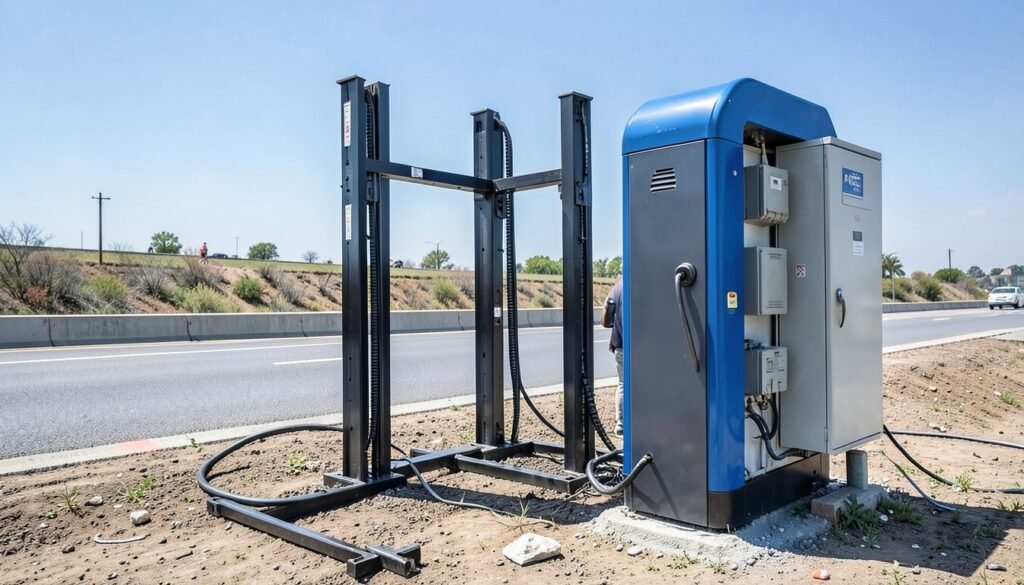
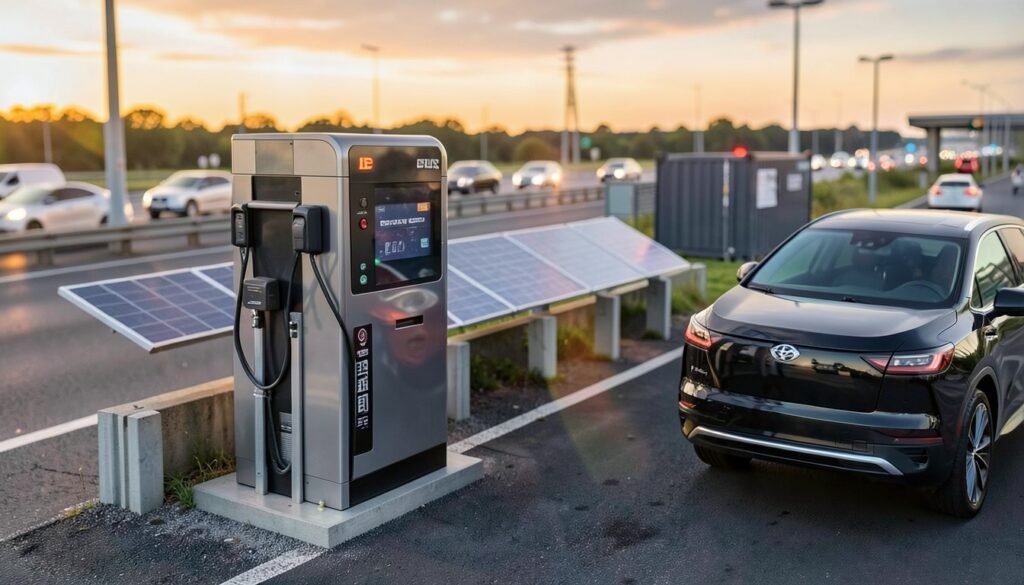
For home users, the standard advice holds: prioritize AC charging to keep your pack cool. When you must use public DC fast chargers, remember that high-power charging—specifically at outputs above 100 kW—still correlates with a 3 percent annual degradation rate. If you are looking at the logistics of setting up hardware, How to Start EV Charging Station in India: A Reality Check provides the necessary context on grid and infrastructure requirements.
In the long run, this tech could reduce the BESS capacity needed at charging hubs by mitigating heat-induced stress during power surges. Until this is widespread, keep your fast-charging frequency under 12 percent of your total charging events. This is the most practical way to maximize EV battery life and keep your annual capacity loss around the 1.5 percent mark.
Cost considerations: will the tech raise vehicle prices?
If you are wondering how oxygen release technology hits your wallet, estimates suggest a 3% to 5% increase in battery pack manufacturing costs. This bump covers the specialized materials and extra processing needed to stabilize chemical reactions. While it sounds like a premium, think of it as an insurance policy. By slowing the natural decline of your cells, you are essentially buying extra years for your vehicle’s most expensive component.
Consider a standard 30 kWh battery pack in India, which currently costs roughly ₹4 to ₹6 lakh to replace. A small percentage increase at the factory gate is far cheaper than the pain of a full pack replacement later. When you look at how to prolong ev battery life, this technology acts as a built-in safety net.
Manufacturers typically offer 8-year warranties, but as digitaltoday.co.kr highlights, real-world degradation varies significantly. If this tech successfully boosts the expected life of an ev battery, it could make those pricey OEM extended warranty packages unnecessary. You are trading a small upfront cost for long-term peace of mind, which is a trade I would take any day.
Practical steps for owners to maximise battery health now
You don’t need a PhD to figure out how to prolong ev battery life. Start by treating your battery like your phone; just as you’d check the Best 2026 Smartphones: A Practical Guide to Flagship Upgrades for the latest tech, your EV needs specific care. Stop charging to 100% every night. Aim for an 80% cap for daily commutes to minimize stress on the cells.
Heat is the silent killer, especially during intense Indian summers where temperatures often exceed 25°C (77°F). Data from Geotab shows that vehicles in hot regions degrade 0.4% faster annually than those in mild climates. If you can, park in the shade or use a ventilated garage. In cold winters, plug in immediately after driving while the battery is still warm to help the thermal management system work efficiently.
To see if your car uses the latest oxygen release battery technology, check your owner portal or use your VIN on the manufacturer’s service website. While this tech is new, keeping DC fast charging to less than 12% of your total sessions can drop your annual degradation from 2.5% to 1.5%. Schedule a professional battery health check every 12 months to monitor the expected life of an ev battery and catch issues early.
Future outlook: beyond oxygen release
Oxygen release technology is a promising step, but it is not the end of the road. Manufacturers are now looking toward solid-state and sodium-ion chemistries to further push the boundaries of energy density and thermal stability. While these technologies mature, we expect AI-driven battery management systems to become the standard. These systems will use real-time data from internal sensors to throttle charging speeds dynamically, effectively preventing the degradation spikes identified in the digitaltoday.co.kr report.
Regulatory bodies are likely to introduce standardized longevity labeling, making it easier for you to compare battery health expectations before buying. Over the next five years, here is what the roadmap looks like:
- Year 1-2: Advanced thermal management software updates for existing fleets.
- Year 3-4: Wider adoption of AI-managed charging profiles to limit high-power DC stress.
- Year 5: Arrival of mass-market solid-state cells with inherently lower degradation profiles.
Ultimately, knowing how to prolong ev battery life will become easier as the car itself takes over the heavy lifting. You will spend less time worrying about charging habits and more time enjoying consistent performance, even as your vehicle crosses the five-year mark.
Frequently Asked Questions
How does oxygen release improve EV battery life?
This technology targets the chemical stability inside lithium-ion cells. By managing how oxygen is released during cycles, it minimizes the internal stress that causes capacity loss. Think of it as a safety valve for your battery’s chemistry, preventing the degradation that typically limits the expected life of an ev battery. It is a new way to help you understand how to prolong ev battery life.
Can I retrofit my existing EV with oxygen-release technology?
Unfortunately, no. This is a fundamental change to the battery’s internal chemistry and construction, not a software update you can download. It is built into the physical cells during manufacturing. If you are worried about ev battery longevity post warranty, your best move is managing your current charging habits rather than waiting for a hardware retrofit that simply isn’t available for your current car.
Will using oxygen-release affect my charging speed?
The goal is to improve durability without forcing you to sacrifice daily convenience. Manufacturers design these systems to work in the background, though they may influence how the battery management system regulates high-power sessions. Since fast charging above 100 kW can accelerate degradation, this tech is specifically intended to help you learn how to maximize ev battery life without constantly avoiding the charger.
What Indian EV models currently use this technology?
As of now, there is no confirmation of this technology appearing in any Indian EV models. The research is emerging, and no manufacturer has announced it for vehicles currently on the road. If you are shopping for an EV in India today, focus on the standard warranty terms and proven charging practices rather than waiting for this specific, currently unreleased battery feature.
Bottom Line: Oxygen Release Is a Helpful Piece, Not a Magic Fix
The emerging oxygen‑release chemistry can slow the 0.5‑1 percent‑per‑year capacity loss that fast‑charging and heat normally accelerate, but it won’t erase the fundamentals that the Geotab study highlighted—high‑power DC charging and hot climates still shave years off the expected life of an EV battery. In short, oxygen‑release adds a modest buffer to ev battery longevity post‑warranty, yet the biggest gains still come from sensible charging habits and temperature management.
Next step: before you chase the newest battery tech, start with the basics—keep fast‑charging below 12 percent of your sessions, avoid charging above 100 kW when possible, and park in shade on scorching days. Once you’ve locked those habits in, keep an eye on models that adopt oxygen‑release, like the ones discussed in the recent Zero’s $8K Shift: The Best Electric Motorcycle for Beginners? article. This combo will give you the best chance to how to prolong ev battery life for years to come.

Join the conversation