
Key takeaways
- Zero Motorcycles’ new $8,000 model marks a strategic shift toward making premium electric performance accessible to a wider audience.
- The bike is optimized for urban agility, balancing cost-effective engineering with the brand’s signature electric drivetrain.
- Competitive pricing directly challenges the dominance of entry-level internal combustion engine motorcycles in global markets.
- The model emphasizes essential safety and connectivity features, ensuring it meets modern regulatory and user expectations.
If you’ve been window-shopping for an entry-level bike, you know the sticker shock is real. For years, finding the best electric motorcycle for beginners meant settling for flimsy scooters or blowing your savings on premium tech. That shifts now with Zero Motorcycles moving into the $8,000 bracket, finally offering a serious entry point for adults who want performance without a mortgage payment.
When you ask how much are Zero motorcycles, they’ve often sat firmly in the "luxury" category. We’ll look at how good are Zero motorcycles in this new tier and why they might be the best affordable electric bike for new riders. If you’re curious about industry hurdles, check out these Electric Motorcycle Challenges: The Real Limits of Honda’s New EV.
While some niche models reach $38,000, Zero is proving that accessible, reliable power is possible. As noted on forbes.com, starting your two-wheeled journey on an electric machine is becoming a practical, daily reality.
Breaking the Premium Barrier: The $8,000 Shift
For years, the electric motorcycle sector felt like a gated community. You either bought a high-performance machine costing upwards of $20,000 or settled for a glorified e-bike with limited capability. If you’ve ever wondered how much are zero motorcycles, you know they’ve historically occupied the premium segment, often leaving new riders entirely priced out of the ecosystem.
Breaking the $8,000 threshold represents a significant pivot. This price point is the "sweet spot" because it aligns directly with entry-level internal combustion engine (ICE) bikes, making the switch to electric a practical financial choice rather than a luxury one. It is finally positioning Zero Motorcycles to capture the volume market that was previously out of reach. As discussed in LiveWire Survival Warning: Why Premium Electric Motorcycles Stalled, relying solely on premium pricing is a risky strategy for long-term growth. By moving downward, Zero is finally addressing the accessibility gap that has hindered mass adoption.
How did they manage this? It comes down to focused manufacturing efficiencies. By simplifying frame designs and optimizing battery pack assembly, they have cut retail costs without sacrificing the core performance DNA. This isn’t just a cheaper bike; it is a strategic move to secure their place as the best electric motorcycle for beginners. Unlike their previous high-cost flagships, this machine prioritizes urban utility over raw, track-focused overkill. For riders looking for electric motorcycles for adults that don’t require a massive investment, this $8,000 entry is exactly what the industry needed.
Engineering for Accessibility: Technical Specs
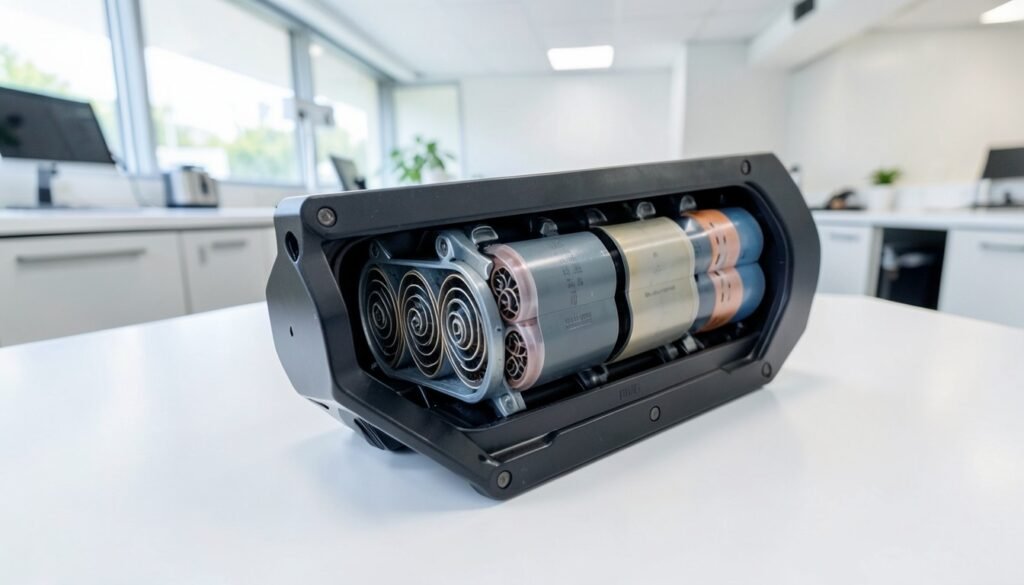
When we talk about the best electric motorcycle for beginners, accessibility isn’t just about the price tag; it’s about how the machine handles. Zero Motorcycles has focused on an approachable architecture for their $8,000 entry-level model, prioritizing weight distribution over raw power output. The base model utilizes a compact, air-cooled motor paired with a lithium-ion battery pack designed specifically for urban commuting rather than highway endurance. This setup keeps the center of gravity low, which is crucial for new riders learning to manage balance and steering, as noted in general guidance on msn.com.
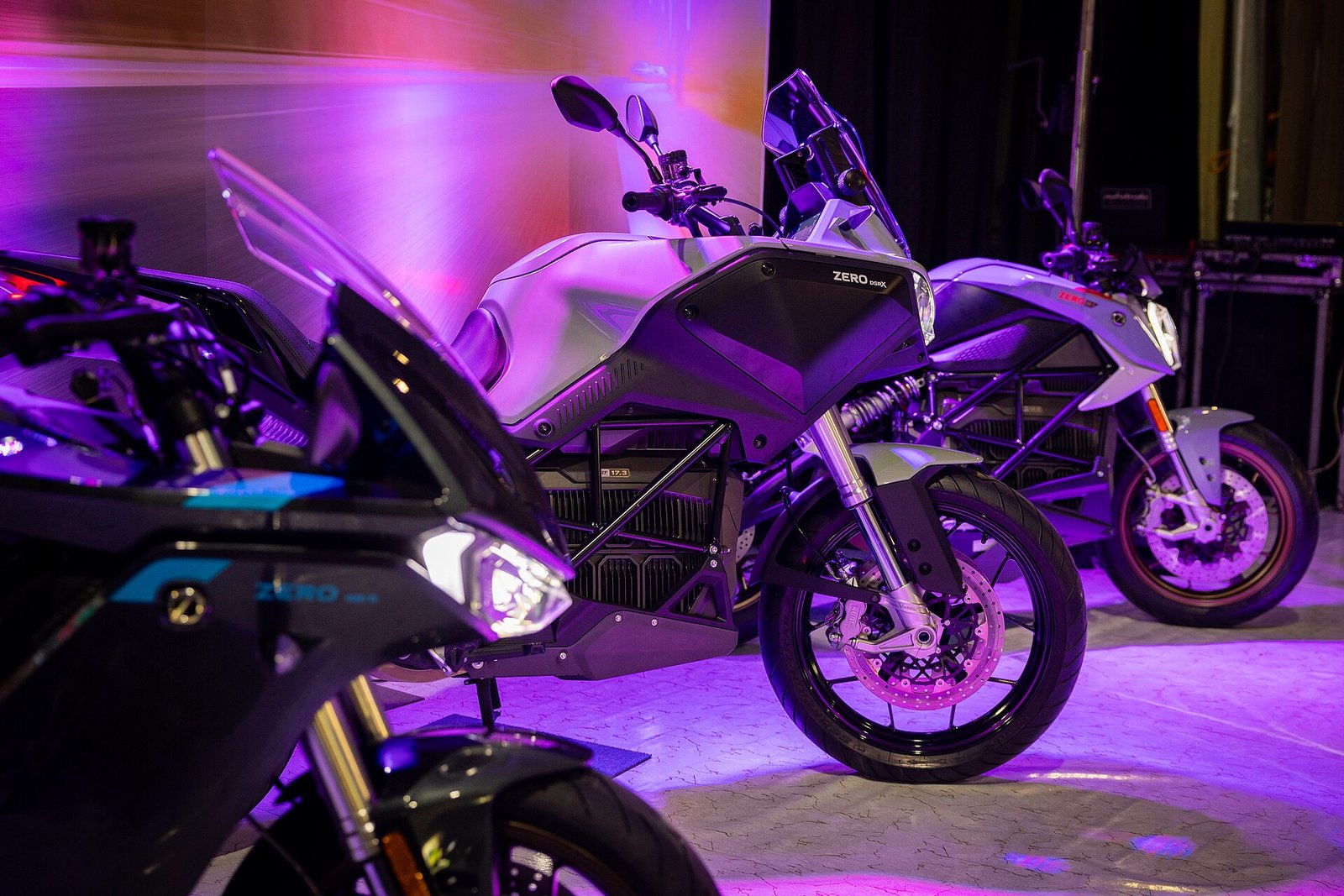
Compared to their flagship models, the engineering here is intentionally stripped back. You won’t find the complex liquid-cooling systems or the massive battery capacity found in the higher-tier Zeros. Instead, the chassis uses a simplified trellis frame that keeps the overall weight manageable, making the bike incredibly flickable in dense city traffic. While flagship Zero Motorcycles are built for high-speed stability and long-range touring, this beginner-focused unit is tuned for agility.
Standard features include essential safety and connectivity software, but Zero keeps the price competitive by offering performance upgrades as modular add-ons. You get a solid, reliable foundation out of the box, but you can opt for higher charge rates or extended range packages if your needs grow. This modularity is a clever way to keep the initial barrier low for adults entering the electric segment, ensuring they aren’t paying for capabilities they don’t yet need.
Market Positioning: Challenging ICE Dominance
When you look at the $8,000 price point, Zero Motorcycles is finally swinging at the heavyweights. Historically, entry-level riders flocked to 125cc or 250cc internal combustion engine (ICE) bikes because they were cheap to buy and simple to maintain. But with this shift, the "best electric motorcycle for beginners" conversation changes. People often ask how much are Zero Motorcycles and how good are Zero Motorcycles before committing, but this lower entry price makes the decision significantly easier for many adults.
Consider the 5-year total cost of ownership. While an entry-level Honda or Yamaha might cost less upfront, you’re constantly paying for oil changes, air filters, and spark plugs. With an electric bike, you lose the engine maintenance entirely. Over 60 months, the savings on fuel and routine service often bridge that initial price gap, making it a serious contender for those wondering how reliable are Zero Motorcycles in a daily-use scenario.
Positioning for the Modern Rider
Zero is clearly targeting the urban commuter who wants an appliance-like experience without the noise and vibration of a combustion motor. While legacy brands like Honda continue to innovate in traditional segments, as seen in Honda New Off Road Bike India: What Riders Should Expect, Zero is positioning itself as the premium, low-friction alternative for electric motorcycles for adults. They aren’t trying to replace the weekend adventure bike yet; they are aiming to win over the professional who needs instant torque to navigate city traffic. For many, this efficiency makes them the best affordable electric bike option currently on the market.
Real-World Performance: Range and Utility
When you’re hunting for the best electric motorcycle for beginners, range anxiety is the first wall you hit. If you’re considering Zero Motorcycles, you’re looking at a brand that has spent years refining thermal management to ensure consistent power delivery. Unlike some high-end, carbon-fiber boutique builds that can cost upwards of $30,000 newatlas.com, Zero’s more accessible models prioritize everyday utility over exotic, lightweight materials.
Most electric motorcycles for adults in this $8,000 price range are optimized for city streets. You can typically expect between 60 to 90 miles of urban range, though sustained highway speeds will cut that figure significantly due to aerodynamic drag. How reliable are Zero motorcycles? Their air-cooled battery systems are battle-tested, relying on passive cooling to keep weight low while maintaining long-term health.
Here is what you need to keep in mind regarding charging hardware:
- Standard Wall Outlet (Level 1): Expect an overnight charge, usually taking 6 to 9 hours for a full cycle.
- Level 2 Public Charging: This is where you cut your wait time down to roughly 2 to 4 hours, depending on the specific onboard charger equipped.
For a daily commuter navigating dense urban traffic, the instant torque is your best friend. It’s snappy, easy to manage, and lacks the intense engine heat of a traditional bike between your knees. Just remember that extreme temperatures, both hot and cold, will affect your range. Always plan your route with a 15% buffer to ensure you aren’t hunting for a plug when you’re already tired.

Charging Infrastructure and Ecosystem
You aren’t just buying a bike; you’re joining an ecosystem. When deciding on the best electric motorcycle for beginners, charging flexibility is just as important as the top speed. Zero Motorcycles generally utilizes the J1772 connector, which is the standard for Level 2 public charging across many regions. This means you can pull up to most public stations, plug in, and get a charge while you grab a coffee. For home use, most models can be charged via a standard household outlet, though dedicated charging stations significantly reduce wait times.
The real convenience, however, is found in the software. Through the Zero app, you can monitor your battery health, track charging progress in real-time, and even adjust performance profiles. This kind of digital integration is as transformative for your daily commute as How Humanoid Robots Perform Household Chores: A Software Shift is for home management. Your smartphone acts as a diagnostic hub, keeping you informed about range and maintenance alerts before you even leave your driveway.
When asking how reliable are Zero Motorcycles, a major factor is the maturity of their service network. Unlike newer entrants, Zero has an established global footprint. If you need replacement parts or a technical check, you are likely to find a dealer nearby rather than waiting on components to arrive from overseas. This stability is vital for electric motorcycles for adults who rely on their bikes for daily transport. While you might wonder how much are Zero Motorcycles, that investment effectively pays for a professional infrastructure that makes the ownership experience predictable and manageable.
The Global Competitive Landscape
The entry-level EV market is heating up, and Zero Motorcycles is no longer fighting this battle alone. When you compare Zero’s new $8,000 offering against options like the $8,000 Ryvid Anthem or the $10,000 Maeving RM1S, the competition for the best electric motorcycle for beginners becomes clear. While startups often lean on design-first aesthetics, Zero brings over a decade of production experience to the table. This is crucial when you ask yourself how reliable are zero motorcycles; they aren’t just another tech project, but a refined platform with a proven track record.
Why Heritage Matters
In an industry filled with "disruptors," brand heritage acts as a safety net. Zero has spent years iterating on their battery management systems and motor technology, which gives them a leg up over new entrants. As noted in a review on forbes.com, starting your motorcycling journey on a machine with established support infrastructure is a massive advantage for any novice.
Market sentiment remains cautiously optimistic. Early adopters are moving away from expensive, niche "lifestyle" bikes toward practical, daily-commuter machines that don’t cost as much as a small car. If you are looking for how good are zero motorcycles in this price segment, it’s not just about the specs—it’s about the peace of mind that comes from a brand that will likely still be around for your next service interval.

Safety Standards and Regulatory Compliance
When you’re looking for the best electric motorcycle for beginners, safety isn’t just an afterthought; it’s the foundation. Modern electric bikes from brands like Zero Motorcycles prioritize rider protection through integrated electronic systems. You’ll generally find dual-channel ABS as standard, which is non-negotiable for preventing wheel lock-ups during panic braking. Advanced traction control systems also play a massive role, managing torque delivery so you don’t lose the rear end on slick pavement or loose surfaces.
Regenerative braking is another standout feature, effectively acting as an engine-braking surrogate that keeps your brake pads cool while extending your range. Beyond the ride, battery integrity is vital. Manufacturers are increasingly adopting standardized testing, such as UN ECE R100, ensuring that thermal runaway isn’t a concern during your daily commutes.
If you’re riding in India, the regulatory landscape shifts toward strict adherence to ARAI certification and CMVR standards. Ensuring your machine meets these local mandates is critical for legal registration and long-term performance. For those needing clarity on regional requirements, A Guide to E-Bike Safety and Regulatory Compliance in India provides a clear breakdown of the essential paperwork and safety checks you’ll need to navigate.
You might ask, how reliable are zero motorcycles? Their adherence to international safety protocols, combined with sophisticated battery management systems, helps them remain a benchmark for the industry. Whether it’s chassis rigidity or software-defined interventions, these bikes are engineered to keep you upright. Always prioritize models with these certifications; it’s the best insurance policy you can buy.
Watch: 2026: Zero Motorcycles’ Big Pivot
Frequently Asked Questions
What is the real-world range of the new $8,000 Zero electric motorcycle?
The official range for this entry-level model is optimized for daily urban commuting rather than long-distance touring. You should expect performance suited for city transit, though actual distance varies based on riding style, terrain, and rider weight. Always check the official manufacturer documentation for your specific region, as battery efficiency fluctuates significantly depending on ambient temperature and sustained speed.
Is this electric motorcycle suitable for highway riding or primarily for cities?
While many electric motorcycles for adults are capable of highway speeds, this specific entry-level model is primarily engineered for urban efficiency. It excels in stop-and-go traffic where instant torque provides quick acceleration. If your commute involves sustained high-speed highway travel, expect faster battery depletion, making it a much better choice for city streets, suburban commuting, and shorter, local trips.
How does the maintenance cost of this model compare to a gasoline bike?
When considering how reliable are Zero motorcycles, the shift to electric simplifies your maintenance routine significantly. You no longer deal with oil changes, spark plugs, or complex air filtration systems. Generally, you only need to monitor tire pressure, brake pads, and belt tension. This reduction in moving parts makes them a practical, low-maintenance option compared to traditional gasoline-powered motorcycles.
Does this model qualify for local government EV subsidies?
Whether this model qualifies for incentives depends entirely on your local government’s EV policies. In many regions, specific purchase subsidies or tax rebates are available for electric motorcycles. If you are in India, verify if the bike meets current government electric vehicle standards. Always consult your local dealership or official transport website for the most accurate, region-specific financial and tax information.
Choosing Your First Electric Ride
If you’re hunting for the best electric motorcycle for beginners, the market is finally moving past the "tech-demo" phase. With Zero Motorcycles pushing entry-level pricing toward that $8,000 mark, you no longer have to choose between a budget scooter and a $30,000 carbon-fiber exotic. While we often ask how reliable are Zero Motorcycles, their track record in the sector gives them a clear edge over unproven startups that lack an established service network.
Before you commit, always check your local regulations. In India, verify that your choice meets ARAI standards and CMVR definitions before making a down payment. If you are still weighing your options, take a look at our guide on New Electric Motorcycles for 2026: EICMA’s Robotics Revolution to see what else is hitting the streets. My advice? Head to a dealership and sit on the bike. No spec sheet replaces the feel of the ergonomics.


Join the conversation