
Key takeaways
- EICMA 2026 marks a definitive shift toward integrating robotics and advanced software into standard motorcycle platforms.
- Honda is balancing its transition to electric mobility while maintaining its core combustion engine expertise.
- Rider assistance systems are moving from luxury features to essential safety standards globally.
- The integration of new tech requires a shift in how owners approach long-term maintenance and diagnostics.
Walking through the halls of EICMA 2026, the shift is undeniable. It’s no longer just about raw engine displacement; it’s about how intelligence integrates with the chassis. If you are scouting the market for the best new electric motorcycles for 2026, you’ll notice that manufacturers have finally stopped trying to force heavy battery packs into vintage frames. Instead, we’re seeing a move toward purpose-built EV platforms and robotics that prioritize actual rider utility over marketing hype.
We’ve learned some tough lessons from the past, as evidenced in our LiveWire Survival Warning: Why Premium Electric Motorcycles Stalled. Today, we are breaking down the latest reveals from the timesnownews.com coverage to see how these technical advancements translate to your garage, whether you are riding in Milan or Mumbai.
The EICMA 2026 Landscape
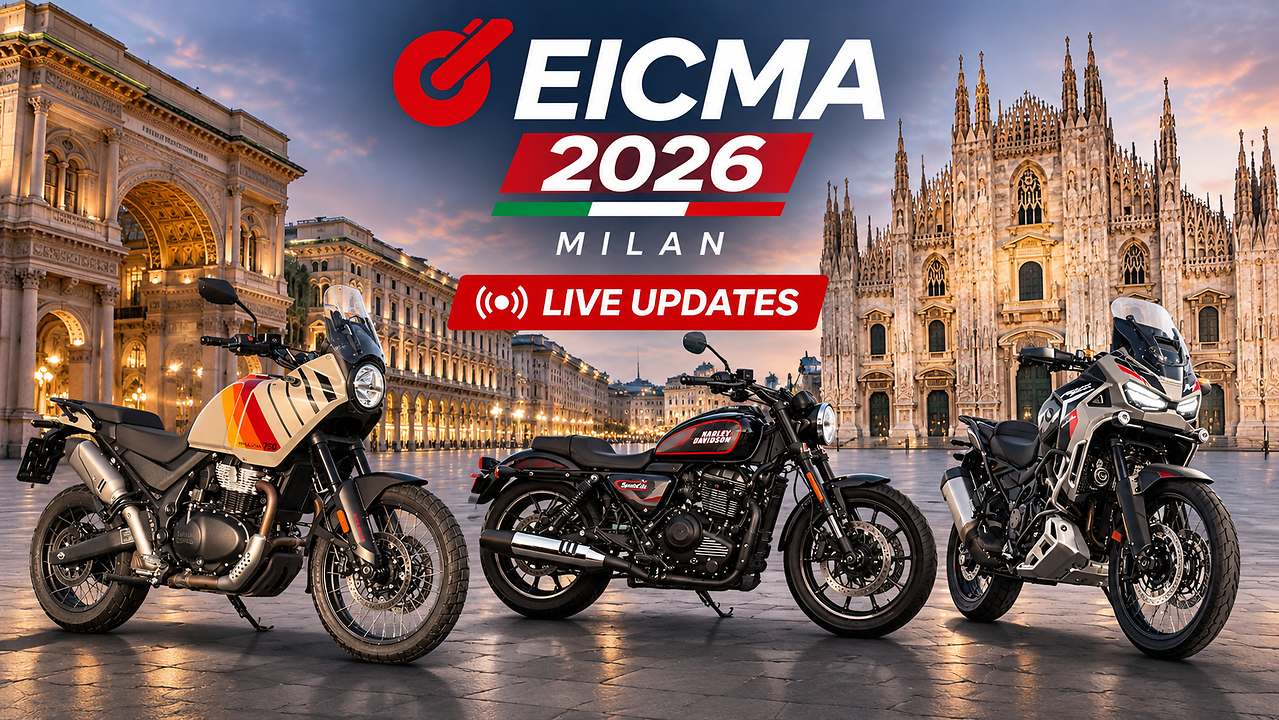
EICMA 2026 in Milan is buzzing, and the focus has shifted. It’s no longer just about who has the highest horsepower or the fastest lap time. This year, manufacturers are pushing integrated ecosystems where rider-tech and hardware finally speak the same language. If you are hunting for the latest new electric motorcycles for 2026, the 10 exhibition halls at Fiera Milano Rho are the center of the industry right now.
The trend is unmistakable. We are seeing a move toward modular platforms and autonomy that prioritize usability over raw mechanical specs. Traditional combustion giants still hold court, but the discourse has pivoted toward electrification and smart assistance. For a reality check on why this transition remains a significant hurdle, look at the Electric Motorcycle Challenges: The Real Limits of Honda’s New EV.
Participation is strong, with major brands showcasing everything from supercharged concepts to robotic mobility solutions. The core themes—electrification, autonomy, and modular design—are structural changes, not just marketing. Whether you are browsing EICMA 2026 new models online or in person, it is clear that the future is about prioritizing the digital experience alongside the chassis.
Honda’s Strategic Shift: From Combustion to EV
At the EICMA motorcycle show 2026, Honda made it clear that their path forward isn’t a clean break from gasoline. While we see new motorcycle releases 2026 like the heavily updated CBR1000RR-R Fireblade—sporting 75% new components—the brand is clearly balancing combustion refinement with EV exploration. They aren’t just pivoting; they are hedging.
Look at the V3R 900 E-Compressor concept. It’s a fascinating piece of engineering that uses an electric supercharger to boost internal combustion performance, rather than ditching the engine entirely. This approach contrasts sharply with the pure EV path, acknowledging that for many, the mechanical heart of a bike remains essential. As noted by electrek.co, the industry is realizing that converting traditional riders is a tougher battle than capturing the next generation who aren’t wedded to the gasoline experience.
Honda’s EV roadmap relies on scaling existing platforms like the Forza and ADV series. However, current on-road electric motorcycles still face significant hurdles, primarily battery density and charging infrastructure, which keep them from fully replacing long-distance touring machines like the updated CRF1150L Africa Twin. While the CBR500R FOUR with E-Clutch offers a glimpse into automatic motorcycles for 2026, it keeps the tactile shift feel alive. Honda is betting that among the new electric motorcycles for 2026, the best ones will coexist with high-tech combustion, offering riders a choice rather than forcing a singular, tech-only future.
The Rise of Robotics: Kawasaki’s Robot Horse and Beyond
Kawasaki is turning heads at EICMA 2026 with its "Robot Horse" concept, a machine that challenges everything we think we know about two-wheelers. It’s not just another electric vehicle; it’s an articulated mobility platform that looks less like a traditional motorcycle and more like a mechanical quadruped you can actually ride. If you are tracking new electric motorcycles for 2026, it is worth noting that this debut isn’t just about swapping a combustion engine for a battery. It’s about fundamentally rethinking how we move.
Defining the boundary between a standard bike and a robotic platform is becoming increasingly difficult. When a motorcycle uses advanced sensors to adjust its gait, balance, or posture in real-time, the rider stops being a mere operator and becomes a partner in a complex, active system. Understanding the Difference Between Ebike and Emoto: Laws and Safety Guide is vital here, as these high-tech robotic concepts currently exist outside of existing regulatory frameworks for conventional bikes.
Is this technology feasible for your daily commute? Probably not yet. While these robotic integration features—like active stability or adaptive chassis geometry—are impressive, they add significant weight, mechanical complexity, and cost. For now, Kawasaki’s concept remains a glimpse into a future where the machine compensates for rider error. It’s a bold experiment in rider-machine interaction, moving us toward a day where motorcycles might actively adapt to the road surface beneath them. We are watching to see if these intricate systems can eventually be simplified for the mass market.
Safety Tech and Rider Assistance Systems
If you thought the latest crop of new electric motorcycles for 2026 were just about battery range, look closer at the electronics suite. At EICMA 2026, the industry has clearly moved the goalposts for rider safety. Gone are the days when sophisticated rider aids were reserved exclusively for flagship superbikes; today, we see high-end technology filtering down into the mid-range market.
Take the CFMOTO 550MT as a prime example. By integrating ride-by-wire electronic throttle control and cruise control into a middleweight adventure platform, manufacturers are proving that safety is becoming a baseline expectation. This shift relies heavily on sensor fusion. By combining IMU data with radar and camera inputs, these systems can now anticipate a collision or loss of traction with far greater precision than a human rider could manage alone.
Furthermore, vehicle-to-everything (V2X) communication is starting to move from concept to reality. These protocols allow your bike to "talk" to traffic lights and nearby vehicles, essentially giving you a digital shield against common blind-spot accidents. For the global rider, this means the gap between premium tech and daily commuting is shrinking fast. Whether you are navigating dense Indian city traffic or winding mountain passes, these automated systems provide a crucial safety net. It’s no longer about replacing your skill; it’s about providing the intelligence to ensure you get home every single time you ride.
Global Market Trends: What EICMA Reveals
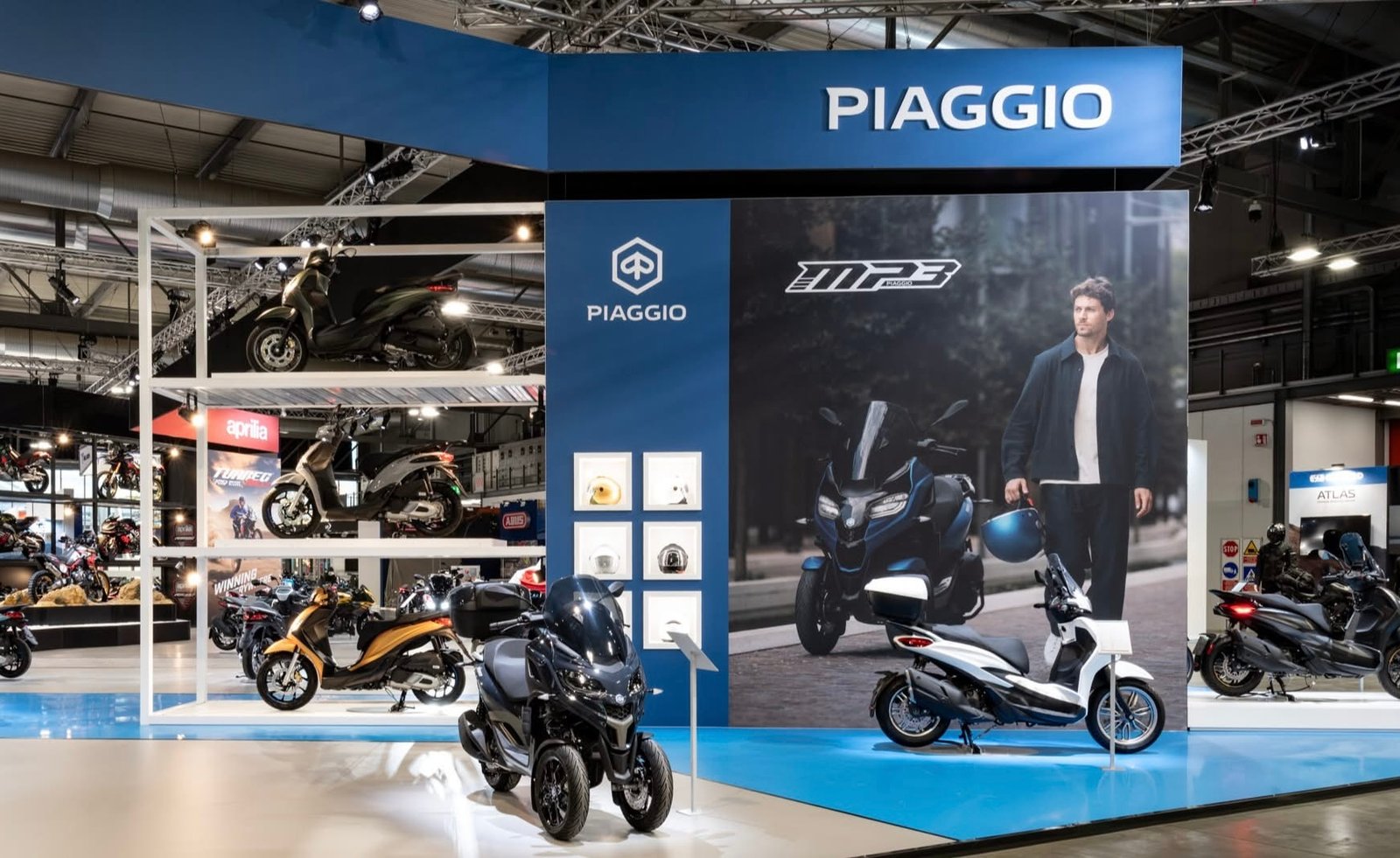
The floor at EICMA 2026 makes one thing crystal clear: the industry is leaning hard into mid-displacement machines. We are seeing a distinct shift where manufacturers move away from chasing pure horsepower numbers in favor of versatility. Whether it is the Royal Enfield Himalayan 750 or the CFMOTO 550MT, the trend favors bikes that handle a weekend trail as capably as a weekday commute.
You can see how economic pressures are shaping these new bike releases 2026. Instead of pricing entry-level models out of reach, companies are baking high-end tech—like cruise control and electronic throttles—into middleweight platforms to justify the cost. This strategy is smart, as it offers premium features without the massive overhead of a flagship superbike. If you’re curious about how these trends influence local availability, check out Honda New Off Road Bike India: What Riders Should Expect.
Supply chain stabilization is the unsung hero of this year’s show. Because manufacturers have finally cleared their logistical bottlenecks, the transition from EICMA 2026 new models to dealership floors is much faster than we’ve seen in years. For riders, this means less waiting and more riding. While we wait for the best electric motorcycles 2026, it is worth noting that for many, these refined mid-capacity combustion engines remain the most practical choice for global travel, balancing fuel efficiency with real-world power, which is exactly what the market is currently demanding.
Regional Impact: How These Innovations Reach India
Seeing the latest new electric motorcycles for 2026 at EICMA is exciting, but the real test happens when these machines touch Indian soil. For global manufacturers, adapting these bikes isn’t just about shipping them over; it’s about aligning with the Central Motor Vehicles Rules (CMVR) and meeting strict ARAI certification standards for safety and performance.
Indian manufacturers are no longer just followers; they are architects of this transition. Companies like Hero MotoCorp and Royal Enfield, which debuted the Xpulse 421 and Himalayan 750 at the show, are already positioned to integrate global tech locally timesnownews.com. By leveraging existing manufacturing hubs in states like Haryana and Tamil Nadu, these brands can keep costs competitive while adopting the advanced EV platforms seen at the eicma motorcycle show 2026.
Expect a staggered timeline for these new motorcycle releases 2026. While global markets might see these models within months, Indian riders should prepare for an early 2027 launch window. Local assembly is the key here; it bypasses heavy import duties and ensures long-term spare parts support remains accessible. Whether it is the shift toward automatic motorcycles for 2026 or complex rider assistance systems, the focus will remain on durability. If a bike can handle the diverse, challenging conditions of Indian roads, it can likely handle almost anything else in the world.

The Reality of Electric Transition: Challenges and Opportunities
Transitioning to new electric motorcycles for 2026 isn’t just about the bike; it’s about the plug. While EICMA 2026 showcases impressive prototypes, the infrastructure gap remains the elephant in the room for high-performance models. Charging a high-capacity pack in remote regions or even dense urban centers still lacks the convenience of a five-minute gasoline refill.
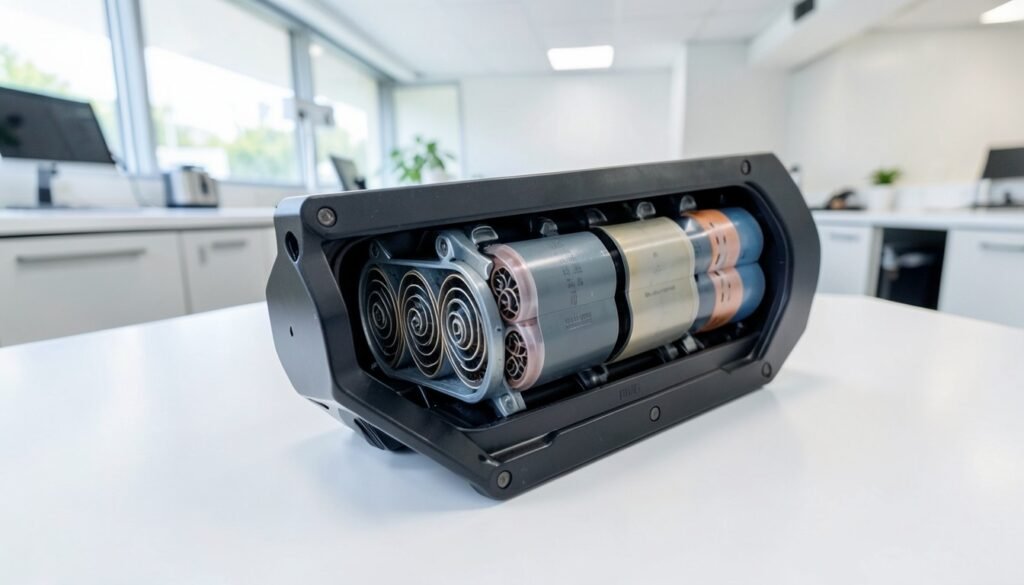
You’ll notice a heavy focus on battery density and thermal management at this year’s show. Manufacturers are finally addressing the heat soak issues that have long plagued performance EVs, pushing for more efficient cooling loops to maintain peak power output. It is a critical step, but we’re still looking at Beyond Lithium: The Reality of Next Gen Electric Car Batteries to see if we can truly break the weight barrier.
The physics of the trade-off between weight, range, and raw performance remains brutal. A bike with 200km of real-world range often becomes a heavy, uninspiring machine in the corners, negating the agility riders crave. We are seeing smaller, denser modules being integrated, but engineers are still struggling to balance the scales between mass and output.
Finally, there is a tangible push for standardized charging interfaces. Without global compatibility, the dream of long-distance electric touring remains fragmented. Until a universal connector becomes the norm, similar to the ubiquitous fuel nozzle at a petrol station, owners will continue to grapple with proprietary chargers and lingering range anxiety.
Maintenance and Long-term Ownership in the Tech Era
As we pivot toward more electronic-heavy platforms like those seen at EICMA 2026, the days of fixing your bike with a set of wrenches and a prayer are fading. Modern machines, whether they feature electric superchargers or automated gear systems, rely on complex software to function. You can’t simply adjust a carburetor when the fuel delivery and ignition timing are managed by proprietary code.
Dealer dependence is becoming the new norm for specific diagnostic tasks. If your motorcycle’s brain experiences a communication error between its sensors and the powertrain, you’ll likely need specialized software access to clear the fault. As noted in electrek.co, the shift toward electric and high-tech platforms is inevitable, but this transition demands a change in how we view long-term ownership.
For those eyeing these new electric motorcycles for 2026, consider these maintenance realities:
- Software Updates: Just like your phone, your bike will require periodic patches to fix bugs or optimize battery performance.
- Diagnostic Port Access: Ensure your local shop has the official equipment for your brand’s specific firmware.
- Component Lifespan: While electric motors have fewer moving parts, high-voltage battery health and robotic actuator seals need professional monitoring.
The best approach for owners today is to prioritize a strong relationship with an authorized service center. While the convenience of home charging is a perk, the technical complexity of these new bike releases 2026 means that professional diagnostics are your best insurance against long-term headaches.
Frequently Asked Questions
What were the most significant motorcycle launches at EICMA 2026?
EICMA 2026 delivered a mix of performance and utility. The Royal Enfield Himalayan 750 took the spotlight, alongside the Hero Xpulse 421 and the Harley-Davidson Sprint 440. Honda also grabbed attention by unveiling their redesigned CBR1000RR-R Fireblade with 75% new components. These new motorcycle releases 2026 offer something for everyone, whether you’re chasing adventure or raw track performance.
How does the Kawasaki robot horse differ from a standard motorcycle?
Unlike your typical two-wheeler, the Kawasaki robot horse—showcased at the EICMA motorcycle show 2026—blurs the line between a motorcycle and an autonomous platform. While standard bikes rely entirely on your input for balance and steering, this machine integrates advanced robotics to navigate terrain. It’s an experimental look at how automation might change our future riding experience.
Are the new electric motorcycles from Honda available in India yet?
Honda is displaying impressive concepts and new models in Milan, but availability varies. While some of the new motorcycle releases 2026 are slated for international markets, Honda has not officially confirmed a release timeline for these specific electric machines in India. Always check your local dealership or Honda’s official Indian portal for updates on when these new bike releases 2026 might arrive.
What safety technologies are becoming standard on 2026 model motorcycles?
We’re seeing a shift toward sophisticated rider aids as standard equipment. Many new 2026 models now feature Ride-by-Wire electronic throttle control, cruise control, and advanced radial-mount front brake calipers. These features aren’t just for top-tier superbikes anymore; they’re trickling down into the middleweight adventure segment, offering you better control and confidence regardless of the road conditions you face.
The Future of Riding: Beyond the Battery
EICMA 2026 proves that the industry isn’t just swapping petrol for batteries; it’s rethinking movement entirely. While we’re seeing mechanical marvels like the V3R 900 E-Compressor, the real story is how robotics and digital integration are becoming standard. If you’re looking at new electric motorcycles for 2026, don’t just hunt for top speed or range numbers. Look for how these manufacturers handle software updates and rider assistance systems.
Just as we analyze hardware shifts in the iPhone 18 Pro vs Pixel 11 Comparison: Which 2026 Flagship to Buy?, you need to evaluate if your next bike is built for the next five years or just the next season. For my friends in India, keep an eye on how these global platforms—like the Flying Flea S6—adapt to local road conditions. My advice? Visit your local dealer and ask about long-term software support before you put down a deposit.
Sources and further reading
- EICMA 2026 LIVE Updates: Royal Enfield Himalayan 750, Hero Xpulse 421, Honda CBR1000RR-R Fireblade and More Debut; Check Expected Price, Engine & Features — timesnownews.com
- EICMA 2026 Preview: Confirmed 2027 New Motorcycles, Adventure Bikes & Leaks — crazywheels.it
- Yes, electric motorcycles will replace gasoline motorcycles, but not the way you think — electrek.co


Join the conversation