Key takeaways
- Flagship smartphone prices are rising due to increased memory and component costs.
- The iPhone 18 Pro offers top-tier hardware but requires a significant financial investment.
- The Google Pixel 11 provides high-end AI features at a much lower price point following recent discounts.
- Consumers should prioritize long-term software support and real-world battery life over annual hardware updates.
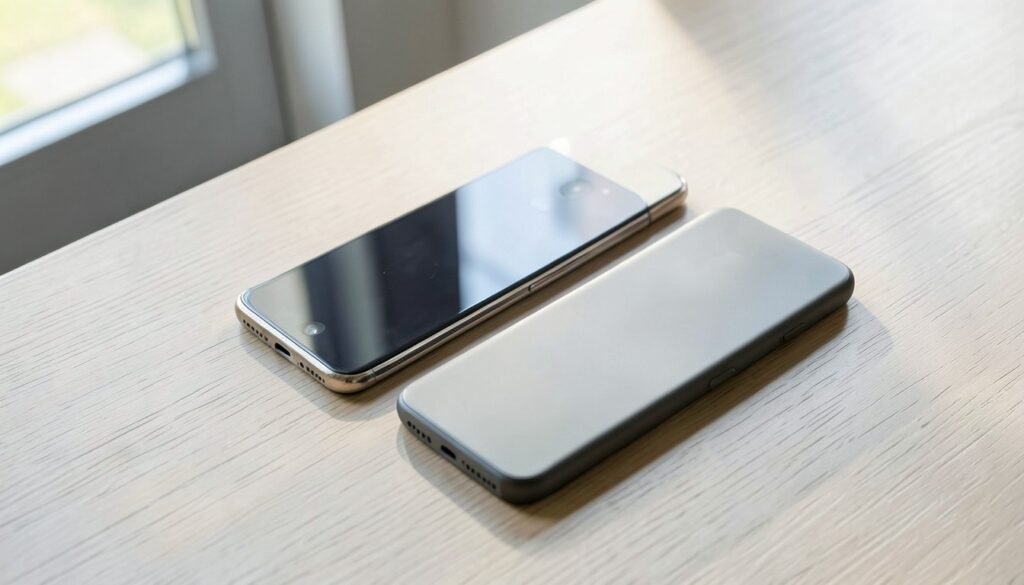
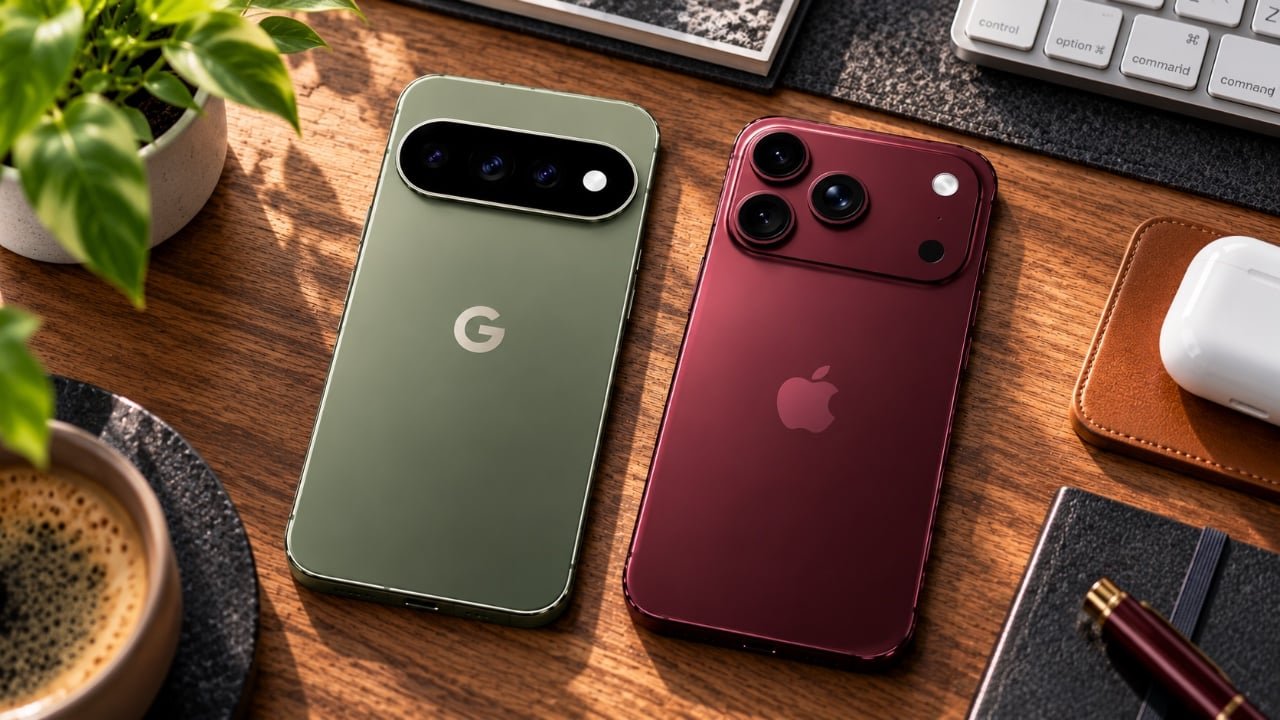
Holding the latest iPhone 18 Pro and the Google Pixel 11 side-by-side, you might wonder if paying a premium is still the smartest move. When we look at the best flagship smartphones 2026 has to offer, the lines are blurring. I’ve found that this iPhone 18 Pro vs Pixel 11 comparison isn’t just about specs anymore—it’s about whether the traditional "what is flagship smartphone" definition still holds up when the Pixel 11 is seeing record-low prices around $699.
If you’re asking yourself are flagship phones worth it, you aren’t alone. As noted in this camera test by geeky-gadgets.com, the hardware gap is narrower than ever. Before you drop your hard-earned cash, consider why flagship phones are expensive and if you truly need the best flagship smartphone camera or just a reliable daily driver. Let’s break down the real-world value.
The Current Flagship Landscape
Flagship phones today are pushing into luxury territory, with prices for top-tier models frequently exceeding $1,500. When you look at the price tags on the latest releases, it’s clear that the definition of a flagship has expanded to include premium pricing that was once reserved for high-end laptops.
I’ve noticed that most people aren’t rushing to upgrade every year anymore. We are seeing major diminishing returns in hardware; the jump from a two-year-old device to a 2026 model often feels iterative rather than transformational. This trend is explored in our recent piece on the Smartphone Flagship Crisis: Why Buyers Are Skipping New Models, which highlights how consumers are keeping their phones for 36 months or longer.
This shift hasn’t escaped the industry. Q3 shipment data shows a notable decline, forcing manufacturers to rethink their strategies. Instead of relying on massive volume, companies are doubling down on high margins to offset the slower upgrade cycles.
Why are flagship phones so expensive? A huge part of the answer lies in component costs. Memory and storage prices have surged, adding significant overhead to the bill of materials. When you consider the cost of high-speed RAM and massive storage capacities, it’s easier to understand why the price floor keeps rising. Whether you’re eyeing the iPhone 18 Pro or something else, you’re essentially paying for that internal hardware premium that manufacturers are now passing directly to you.
iPhone 18 Pro: The Premium Benchmark
The iPhone 18 Pro feels substantial, perhaps even heavy, weighing in at 249g for the Max variant. Its build quality remains the industry benchmark, though you might find it a bit cumbersome compared to the 226g Pixel 11 Pro XL. The display is a top-tier visual experience, offering color accuracy and peak brightness that define what is flagship smartphone tech in 2026.
Under the hood, the A20 Pro chip provides raw power that remains unmatched for heavy multitasking. According to androidauthority.com, the performance gap is stark when compared to the Pixel’s Tensor G6, especially if you prioritize demanding graphical tasks. This silicon is not just about raw speed; it is optimized for efficiency, ensuring that intensive workflows do not drain your battery prematurely.
You are paying a premium price, and it is easy to wonder why flagship phones are expensive. Part of the cost reflects Apple’s commitment to long-term software support, which ensures the device remains functional and secure for years. However, in our iPhone 18 Pro vs Pixel 11 comparison, you should consider if the "Pro" camera features or studio tools actually improve your daily productivity. These features are highly capable, but they only provide tangible value if your professional workflow relies on them. If you are mainly using your phone for casual tasks, you might find the hardware overkill for your needs.
Google Pixel 11: The Case for Value
In any iPhone 18 Pro vs Pixel 11 comparison, the price gap is the first thing that hits you. Finding a brand-new flagship for under $700 in late 2026 feels like a pricing error, but it’s real. While the iPhone 18 Pro pushes higher price boundaries, recent Amazon deals have slashed the Google Pixel 11 down to just $699. This makes it a massive market anomaly for anyone asking "are flagship phones worth it" when the competition often starts at a much steeper premium.
The software experience is where the value really hits home. Android 17’s Material 3 Expressive design feels fluid and personal compared to the more rigid structure of iOS 18. Google’s on-device AI handles your daily chores—like real-time voice transcription or complex photo edits—locally. It is a similar logic to how you’d pick the Best Laptops for AI Work: A Practical Hardware Guide based on local NPU power rather than just cloud speed.
However, there is a reason why flagship phones are expensive, and Google makes trade-offs to keep that $699 tag. The Tensor G6 chip simply isn’t a match for Apple’s A20 Pro in raw power. If you are a heavy gamer, you will notice a performance dip on the Pixel compared to the iPhone 18 Pro.
Value at a Glance
- Price: $699 (Current Amazon US deal).
- Build: 226g weight (noticeably lighter than the 249g iPhone 18 Pro Max).
- Experience: Prioritizes helpful, everyday AI over raw synthetic benchmarks.
Camera Performance: Computational Photography vs. Hardware
When you’re looking at an iPhone 18 Pro vs Pixel 11 comparison, the camera systems highlight a clear divide in philosophy. Apple leans into raw hardware precision, whereas Google remains the undisputed leader in computational photography.
If you want the best flagship smartphone camera for low-light shots, the Pixel 11 Pro often takes the lead. Google’s algorithms pull incredible detail from shadows that the iPhone sometimes leaves muddy. However, that heavy-handed AI processing can occasionally leave textures looking slightly artificial compared to the more neutral, true-to-life color science Apple prefers.
Hardware-wise, the iPhone 18 Pro remains the industry standard for video. As noted in recent analysis, Apple dominates in 4K slow-motion performance, offering stability and frame-rate consistency that Android rivals still struggle to match msn.com. If you shoot video for social media or professional projects, the iPhone’s lens quality and encoding efficiency make it the safer bet.
Quick Camera Breakdown
- Low-Light: Pixel 11 Pro extracts more detail from dark scenes.
- Video: iPhone 18 Pro excels in 4K stability and motion.
- Processing: Apple favors natural tones; Google pushes for high-contrast AI effects.
Are flagship phones worth it for the camera alone? If you crave manual creative control, the Pixel is your tool. For pure reliability and video, stick with the iPhone.
Battery Life and Charging Speed
When you’re pushing a device with a 120Hz LTPO display, battery drain is inevitable. Both the iPhone 18 Pro and Pixel 11 series utilize adaptive refresh rates to throttle down to 1Hz when reading static text, which preserves significant power. However, intensive tasks like 4K video recording or high-refresh gaming will still chew through a full charge before sunset. If you are examining an iPhone 18 Pro vs Pixel 11 comparison in terms of longevity, remember that software optimization often outweighs raw mAh capacity.
Charging speeds remain a point of contention for many flagship buyers. Apple stays famously conservative, prioritizing long-term battery cycle health over rapid top-ups. Conversely, Google has gradually increased their wattage, though they still lag behind some competitors who offer sub-30-minute full charges. This manufacturer conservatism is a calculated choice; much like the Electric Motorcycle Challenges: The Real Limits of Honda’s New EV, balancing energy density and thermal limits is a delicate trade-off.
To keep your battery healthy over a three-year cycle, avoid frequent 0-100% discharge cycles. Stick to the 20-80% charge range whenever possible and keep your phone out of hot car dashboards. These simple habits do more for your long-term capacity than any software update ever could.
AI Features: What Actually Works Daily
We’ve reached a point where AI is the biggest marketing buzzword, but how much of it actually matters for your daily routine? When you look at an iPhone 18 Pro vs Pixel 11 comparison, the real utility isn’t in fancy generative backgrounds or bloated photo editors. It is in the quiet, background tasks.
On-device processing is the true hero here. By handling voice commands and real-time translation locally, these phones give you faster response times and better data privacy. You aren’t waiting for a server to ping back halfway across the globe. According to reporting from geeky-gadgets.com, the hardware gap between Google and Apple is narrowing, but software remains the battlefield for these best flagship smartphones 2026.
However, current OS implementations have limits. AI still struggles with context, and "smart" suggestions often feel like glorified autocorrect. You should expect the next 12 months to bring better, more integrated personal agents that actually understand your schedule instead of just suggesting canned replies. If you are wondering why flagship phones are expensive, remember you are paying for this specialized silicon to run these models locally. Don’t buy for the hype; buy for the tools that save you time.
When to Buy: Black Friday and Seasonal Discounts
Buying a flagship at launch is essentially paying a "newness tax." If you wait just a few weeks—as we’re seeing right now with the Pixel 11 dropping to $699 on Amazon—you stop paying the premium for simply being first. It’s the same logic as checking local regulations before choosing your commute; just as you’d read a Difference Between Ebike and Emoto: Laws and Safety Guide to stay informed, you should use price trackers like CamelCamelCamel to monitor fluctuations rather than buying the moment a store puts a device on the shelf.
Don’t confuse carrier-subsidized discounts with actual savings. A provider might advertise $800 off an iPhone 18 Pro, but that often traps you in a 36-month service contract. If you value flexibility, stick to unlocked retail pricing. Even if the upfront cost feels steep, you aren’t paying hidden monthly activation fees or locked into a specific network for years.
Finally, look at your current device’s trade-in value before the next generation hits. Manufacturers typically offer the highest credit during the first month of a new phone’s life cycle. Waiting until January often sees that trade-in value plummet by 20%, which is why timing is everything when calculating if flagship phones are expensive.
Final Verdict: Which Phone Fits Your Workflow
Choosing between these two isn’t about which device is "better" in a vacuum; it’s about your specific daily habits. If you prioritize raw power for high-end gaming or heavy video editing, the iPhone 18 Pro is your clear winner. Its A20 Pro chipset remains the industry standard, offering the overhead that power users demand. As noted by androidauthority.com, while the Apple ecosystem’s grip is loosening, the hardware longevity remains a primary reason to pay the premium.
Conversely, the Pixel 11 is for those who value software intelligence over raw silicon performance. With recent price drops hitting $699 on Amazon, the Pixel offers a better financial return for the average user who spends their time in browsers, social media, or AI-driven apps.
To determine your personal value threshold, consider these two factors:
- The Gaming Factor: Do you need the A20 Pro’s raw frame rates? If yes, the iPhone is worth the extra cost.
- The Utility Factor: If you primarily use your phone for communication and photography, the Pixel’s current $699 price point makes it the smarter buy.
Don’t pay for performance you won’t actually use. If your daily workflow doesn’t require a 249g flagship, pocket the savings and grab the Pixel.
Frequently Asked Questions
Is it worth paying $2,000 for a smartphone in 2026?
Spending $2,000 on a phone is a massive financial commitment. While the iPhone 18 Pro offers incredible raw performance with the A20 Pro chip, you must ask if that power affects your daily life. If you aren’t a professional creator or a competitive mobile gamer, you are paying for technical headroom you will likely never touch.
Do I need the Pro version of a flagship phone for daily tasks?
For most users, standard models are more than capable. The Pixel 11, now available for as low as $699, provides a premium experience without the "Pro" tax. Unless you specifically require advanced camera sensors or the absolute brightest displays, you are likely better off saving your money. Pro models are designed for those needing professional-grade hardware.
How often should I upgrade my smartphone to get the best value?
With modern software support, upgrading every three to four years is the sweet spot for most users. Flagship hardware like the iPhone 18 Pro or the Pixel 11 series is built to last. Instead of chasing yearly incremental updates, wait until your current battery degrades significantly or system performance dips noticeably before making a move.
Are the current AI features on phones actually useful for productivity?
AI features on Android 17 and iOS are becoming more integrated, but their utility depends entirely on your specific workflow. If you frequently use photo editing or automated scheduling, these tools save time. However, do not buy a phone based on AI marketing alone. Focus on core performance, battery life, and build quality instead.
Choosing Your 2026 Flagship Daily Driver
So, are flagship phones worth it? When you look at the iPhone 18 Pro vs Pixel 11 comparison, the answer depends entirely on your daily rhythm. If you prioritize raw gaming power and the best video quality, the A20 Pro in the iPhone 18 Pro remains the benchmark. It’s an expensive investment—which explains why flagship phones are expensive—but it sets the standard for what a flagship smartphone is in 2026.
However, if you want a lighter device that feels premium without the top-tier price tag, especially with the Pixel 11 currently hitting $699, Google is the smarter buy. You aren’t just paying for hardware; you’re paying for a refined software experience. Before you finalize your choice, check out these iPhone Duo Hinge Crack Issues: Durability and Repair Guide if you are considering the folding variants. My advice? Grab the Pixel if you want value; stick with Apple if you need the best flagship smartphone camera for 4K video.
Sources and further reading
- Pixel 11 Pro vs. iPhone 18 Pro Max: Which Flagship Actually Has the Best Camera in 2026? — geeky-gadgets.com
- iPhone 18 Pro Max or Pixel 11 Pro XL? The answer comes down to two questions — msn.com
- I’ve used the Pixel 11 Pro XL and iPhone 18 Pro Max, and Apple’s ecosystem isn’t enough anymore — androidauthority.com

Join the conversation