Key takeaways
- Early reports indicate some iPhone Duo units are experiencing display cracks along the primary hinge.
- Apple’s first-generation foldable design prioritizes a slim profile, which may be contributing to structural stress.
- Prospective buyers should prioritize AppleCare+ coverage given the high cost of out-of-warranty screen repairs.
- Proper maintenance, including keeping the hinge area clear of debris, is essential for foldable longevity.
Thousands of fans spent the night on sidewalks from Los Angeles to Beijing to snag the $1,999 Apple foldable phone, but the post-launch glow didn’t last long. Reports of screen failures are piling up, and if you’re holding one, you’re likely worried about the growing number of iPhone duo hinge crack issues. It is a bitter pill to swallow for a device that carries such a premium price tag.
According to geeky-gadgets.com, these problems stem from a specific hinge design flaw that puts pressure on the internal display. In this guide, I will walk you through why these cracks happen, how Apple is handling repairs without requiring an AppleCare+ subscription, and what you can do to keep your screen safe. Before we jump into the hardware, you might also want to check out How to Use Vibecoding for AI: A Modern Prompting Guide to see how AI might help you manage your tech setup.
The Hype vs. The Reality
October 23, 2026, felt like a return to the peak of Apple mania. From Los Angeles to London, fans camped out on sidewalks for the official release of the first Apple foldable phone. With a steep $1,999 price tag, the device immediately became a status symbol, further fueled by extremely limited walk-in availability at retail locations. It was undeniably the tech event of the year, but the mood shifted rapidly just one week later.
By October 30, the narrative flipped from "must-have" to "must-watch." Users began reporting concerning iPhone Duo hinge crack issues, with early adopters sharing photos of display fractures appearing right along the crease. This isn’t just about minor wear; it is a fundamental hardware concern that caught many off guard. While we often look at AI Hype vs Reality: Why Utility Now Trumps Speculation, this situation is a stark reminder that even the most anticipated hardware carries real-world risks.
Social media acted as a megaphone for these defects. What started as isolated posts quickly became a viral conversation, magnifying the anxiety surrounding the company’s entry into the foldable space. When you spend two thousand dollars on a piece of glass and metal, you expect a certain level of durability. Seeing the screens fail mere days after launch makes you rethink whether the latest tech is worth the early adopter’s tax. It’s a sobering moment for those who braved those long, chilly launch queues.
Anatomy of the Hinge: What Changed?
If you’re wondering what is iPhone duo made of, the answer lies in a sophisticated mix of titanium-ceramic alloys and a proprietary glass-polymer substrate. Apple prioritized a true zero-gap fold, meaning when you close the device, the two sides meet perfectly without the visible wedge you see on many rivals. To achieve this, engineers implemented a dual-cam mechanism that retracts the display slightly as it folds.
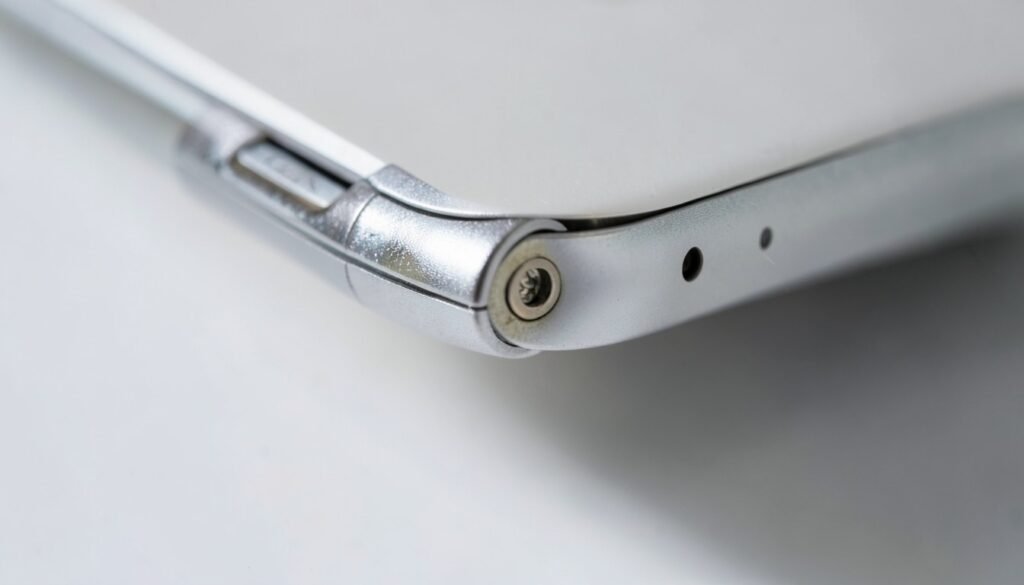
However, the pursuit of that ultra-slim profile created a mechanical bottleneck. By compressing the hinge assembly into such a tight chassis, there is very little physical margin for error. According to reports from appleinsider.com, a failing element within this specific hinge design is now the prime suspect in recent iphone duo hinge crack issues. The structural integrity relies on tiny internal gears that must endure thousands of cycles, but when dust or micro-debris gets trapped, the localized pressure on the inner screen is immense.
This is the classic "first-generation tax." While competitors have years of iterations, Apple’s choice to prioritize a flush appearance over a wider, more forgiving hinge creates a high-stakes engineering trade-off. A thicker phone would have provided more internal buffer, but it wouldn’t feel like the premium, pocketable device Apple marketed. For now, we are seeing the direct consequence of pushing physical hardware to its absolute limit in the name of aesthetic perfection.

Early Reports: Identifying the Cracking Pattern
If you are tracking the iphone duo hinge crack issues, you know the reports aren’t just isolated incidents. Early adopters are describing a recurring pattern where the inner display fractures precisely along the central crease after only days of use. According to reports from Mashable, these aren’t just superficial scratches or scuffs that wipe away. We are seeing structural panel failures that impact touch sensitivity and pixel integrity.
While some early users initially dismissed these as cosmetic surface marks, the reality appears more severe. iFixit’s CT scans suggest a failing element within the hinge mechanism is exerting localized pressure on the display from beneath. It’s not just about what is iphone duo made of, but how those materials interact under tension. If you’re comparing this to a standard slab, like an iPhone 18 Pro Max, the stakes for screen durability are much higher here.
Usage reports suggest that minor debris trapped in the hinge or even drastic temperature shifts might be exacerbating the problem. Some users noticed the issue after commuting in colder weather, while others found dust buildup during travel. If you want to avoid these headaches, you’ll definitely want to look for the best iphone duo case that offers hinge protection. While we wait for more data, it’s worth noting that even mid-range devices like the Infinix GT 50 Pro Price in India: Gaming Performance & Cooling Review have different thermal considerations. Be careful with your folding habits until Apple clarifies the exact failure threshold.
Apple’s Repair Policy for the Duo
If you’re dealing with the dreaded iphone duo hinge crack issues, you need to know how to handle the repair process. The good news is that Apple has acknowledged the screen problems, and they are currently replacing affected units without requiring an active AppleCare+ plan. This is a significant relief for anyone who just dropped $1,999 on their new device.
Without AppleCare+, standard out-of-pocket costs for a folding display repair are typically steep, but for now, Apple is treating these early hinge failures as a warranty issue. If you find a crack, stop using the phone immediately to avoid further display damage. Document the issue by taking clear, well-lit photos of the hinge area and the screen pattern from multiple angles before you hand it over.
Turnaround times remain a bit of a mystery due to limited parts availability. Because this is the first Apple foldable phone, local stores might not have spare screens in stock. You will likely need to send your unit to a regional depot for inspection. Keep your original receipt handy and initiate a support claim through the Apple Support app rather than walking into a busy store.
How to Protect Your Foldable Display
If you’ve picked up an Apple foldable, you’re likely worried about those reported iphone duo hinge crack issues. While the hardware is impressive, it’s not invincible. First, treat that hinge gently; avoid flipping it open with one hand or snapping it shut. When you’re out and about, keep it away from extreme cold, which makes the display substrate brittle, and avoid direct heat that can degrade the screen’s protective layer.
Dust is the silent enemy here. Small particles can easily wedge into the mechanism, potentially triggering the iphone duo hinge crack issues everyone is talking about. Keep your pockets clean—lint buildup is a major risk. For cleaning, use only a dry, soft microfiber cloth. Never use liquid cleaners, as they can seep into the seam. If you’re looking for the best iphone duo case, prioritize slim, lightweight options that don’t add pressure to the fold.
For those interested in how other dual-screen devices manage durability, check out this Lava Aura Curve 5G Price in India: Dual-Screen Review at ₹23,999 for a different take on folding tech. When considering the best iphone duo accessories, start with a high-quality screen protector specifically designed for foldables to prevent micro-scratches.
Comparison: iPhone Duo vs. Samsung Z Fold 8 Ultra
When you put the iPhone Duo up against the Samsung Z Fold 8 Ultra, you’re looking at a clash of two very different design philosophies. Samsung has had eight years to refine its hinge mechanism; they’ve moved from clunky gear systems to a flat-folding design that minimizes internal tension. Apple’s entry, however, is a first-generation product, and those early iphone duo hinge crack issues highlight the massive difference between a company on its first attempt and one on its eighth iteration.
Regarding screen protection, Samsung’s Ultra Thin Glass technology has become remarkably adept at handling the crease. While you can still see it under harsh light, the longevity is proven. Apple opted for a unique material composition, but it currently lacks the stress-relief architecture that keeps the inner display from failing under repeated pressure. While it is true that the iPhone Duo offers a polished aesthetic, the hardware isn’t quite at the same mature level as the Z Fold 8 Ultra.
If you value long-term reliability over brand-new hardware, the choice is clear. Samsung’s design has undergone years of real-world endurance testing, whereas this Apple foldable phone is still in its infancy. For a device that costs $1,999, you shouldn’t have to worry about whether your screen will last through the month. Until Apple refines the mechanics behind the fold, Samsung remains the safer bet for power users who need a device that actually stays in one piece.
Is the $2,000 Price Tag Still Justified?
Spending $1,999 on a first-generation Apple foldable phone feels like a gamble when you consider the reported iphone duo hinge crack issues. While the device offers a massive internal display that shifts how you work, the structural fragility is a significant red flag for anyone expecting long-term durability. If you are a power user who prioritizes multitasking over stability, you might accept the risk, but for most people, the price-to-performance ratio just isn’t there yet.
When you look at why iphone duo is so expensive, it’s clearly the R&D into the hinge mechanics, but those internal components are currently failing some users. You might wonder what is iphone duo made of to cause such early failures; unfortunately, the premium materials haven’t prevented these widespread issues. This hardware anxiety creates a volatile resale market; if your unit develops a crack, its trade-in value effectively craters compared to an iPhone 18 Pro Max. While checking Microsoft AI Cloud Growth: Q1 Results and Market Impact, it is clear that technical innovation requires time to stabilize.
If you aren’t desperate for the latest tech, my advice is simple: wait. Buying into this today means dealing with potential repair hassles, and even the best iphone duo case or other best iphone duo accessories won’t protect you from internal hinge stress. Unless you have the budget to treat this as an expensive experiment, hold off until the second generation. Patience is your best financial move here.
What This Means for Future Apple Foldables
The early reports of iphone duo hinge crack issues are a bitter wake-up call for a company that prides itself on build quality. When you drop $2,000 on an Apple foldable phone, you expect perfection, not a structural failure at the crease. According to appleinsider.com, the issue likely stems from a mechanical weakness in the hinge, which suggests that Apple’s future hardware development cycles will now prioritize physical longevity over raw, slim aesthetics.
I wouldn’t be surprised to see an "iPhone Duo S" mid-cycle revision within the next year. It is a classic Apple move to release a refined version that quietly swaps out the problematic internal components for something more resilient. This hiccup definitely dents the brand’s aura of invincibility, but it also signals a broader industry truth: foldable technology is still in its infancy. For the wider market, this serves as a reminder that being an early adopter carries real risk. Other manufacturers will likely watch these developments closely, using Apple’s experience to re-evaluate their own testing standards. Ultimately, the future of the foldable market depends on how quickly Apple can engineer a reliable, long-term solution to these current mechanical hurdles.
Watch: iPhone Duo CrackGate Issue Found in the Hinge Causing Screen to Crack.
Frequently Asked Questions
Is the iPhone Duo display cracking a widespread issue?
While reports of iPhone Duo hinge crack issues appeared shortly after the $1,999 launch, they currently affect a very small number of devices. These specific screen problems are linked to a hinge design flaw rather than general user mishandling. While the situation is concerning, it does not appear to be a universal defect for every unit sold worldwide.
Does AppleCare+ cover hinge-related screen damage on the iPhone Duo?
You do not strictly need an AppleCare+ subscription for these specific repairs. Apple has confirmed they are replacing affected units experiencing screen damage due to the hinge flaw at no extra cost. This is a significant relief for early adopters, as repair costs for a complex Apple foldable phone would otherwise be astronomical.
How does the iPhone Duo hinge mechanism differ from competitors?
Recent iFixit CT scans suggest the core issue lies in a failing element within the proprietary hinge structure. Unlike the multi-gear mechanisms found in other foldables, this design appears to exert uneven pressure on the inner display. This creates a specific, repeating crack pattern that clearly differentiates these failures from the usual wear and tear seen on other devices.
Should I wait for a second-generation iPhone foldable before buying?
If you are worried about the $2,000 price tag and potential hardware failures, waiting is the smartest move. First-generation hardware often encounters unexpected hurdles, and why the iPhone Duo is so expensive is largely due to its bleeding-edge, unproven tech. Holding off allows Apple to refine the hinge assembly and potentially lower prices for future iterations.
Is the First-Generation Duo Worth the Gamble?
Spending $1,999 on the first Apple foldable phone is a massive commitment. If you are worried about the widely reported iphone duo hinge crack issues, you are not alone. While Apple is currently replacing affected units without requiring an AppleCare+ subscription, the hardware vulnerability remains a genuine concern for any early adopter.
It is no surprise that users are asking why iphone duo is so expensive when the long-term durability is still being tested in the real world. If you are based in India and tracking these premium price tags, check out our insights on Will Smartphone Prices Drop in India? Why Costs are Rising in 2026 for a better look at market trends.
My advice? Hold off for the second iteration. Let Apple refine the hinge mechanics before you invest in a device that might need a screen repair within your first week.

Join the conversation