
Key takeaways
- E-bike regulations are shifting from broad guidelines to specific, localized ordinances that vary by city.
- Understanding your e-bike class (1, 2, or 3) is the first step toward legal and safe operation.
- UL 2849 certification is the gold standard for battery and electrical system safety.
- Rising accident data is driving a push for better rider training and infrastructure, not just stricter bans.
- Always check your local transport department’s website for the most current rules in your specific jurisdiction.
If you feel like the rules for your ride change every time you cross a municipal border, you aren’t imagining it. Local authorities are scrambling to catch up with the surge in electric mobility, and understanding e bike regulations for riders is now as essential as checking your tire pressure. Just this week, cities like Xenia implemented fresh traffic rules for seven types of bicycles, proving that e bike rules and regulations are currently in flux yahoo.com.
In this guide, I’ll clear up the confusion regarding class systems, age requirements, and legal riding zones. We’ll also cover critical safety standards, including why you must prioritize Lithium Ion Battery Standards: UL 2849 and E-Bike Safety Guide. Whether you’re commuting in a busy metro or hitting local trails, knowing your local e bike regulations is your best defense against fines and unnecessary road drama.
The Regulatory Patchwork: Why Cities are Changing the Rules
The early days of e-bike adoption were a legal Wild West. Cities were permissive, eager to encourage green commuting, but that era is fading fast. Now, we’re seeing a sharp shift toward structured e bike regulations for riders that vary drastically from one zip code to the next.
The core problem is non-standardized definitions. What your state calls a bicycle might be classified as a motor vehicle in your neighboring town, creating massive confusion for daily commuters. This is exactly why you need to understand the Difference Between Ebike and Emoto: Laws and Safety Guide before you head out.
Public safety is the primary driver behind this tightening. In Maricopa County, officials recently approved an ordinance for unincorporated areas, while in Reno, police chiefs are pushing for stricter oversight. Local city councils are no longer waiting for broad state mandates; they are drafting independent e bike local regulations to manage sidewalk access and trail usage. If you ignore these specific rules, you risk heavy fines or losing access to public paths. It is no longer enough to just know the state law; you must treat e bike rules and regulations as a moving target that requires constant checking.
Decoding E-Bike Classes: Class 1, 2, and 3 Explained
Navigating the alphabet soup of e-bike regulations for riders starts with the standard three-class system. If you are trying to stay on the right side of e-bike regulations and laws, you need to know exactly what is under your saddle.
Class 1 bikes provide assistance only while you pedal and cut off at 20 mph. Class 2 bikes feature a throttle, allowing for propulsion without pedaling, also capped at 20 mph. Class 3, or “speed-pedelecs,” also require pedaling but push the limit up to 28 mph. This speed difference often dictates where you can legally ride; while Class 1 and 2 are generally welcome on bike paths, Class 3 machines are frequently restricted to roads or dedicated bike lanes due to their higher velocity.
The line between a bicycle and a moped remains blurry, which is why governing.com notes that technology is moving faster than current e-bike safety laws can keep up. If your bike exceeds 750 watts or 28 mph, many jurisdictions stop classifying it as an e-bike and start treating it like a moped, which often requires registration, insurance, and a license plate.
| Class | Assist Type | Max Speed | Motor Limit |
|---|---|---|---|
| Class 1 | Pedal-Assist | 20 mph | 750W |
| Class 2 | Throttle | 20 mph | 750W |
| Class 3 | Pedal-Assist | 28 mph | 750W |
Before you buy, check your state’s specific vehicle code. Knowing your class is the first step in avoiding legal headaches and keeping your daily commute safe.

Safety Standards: Beyond the Ordinance
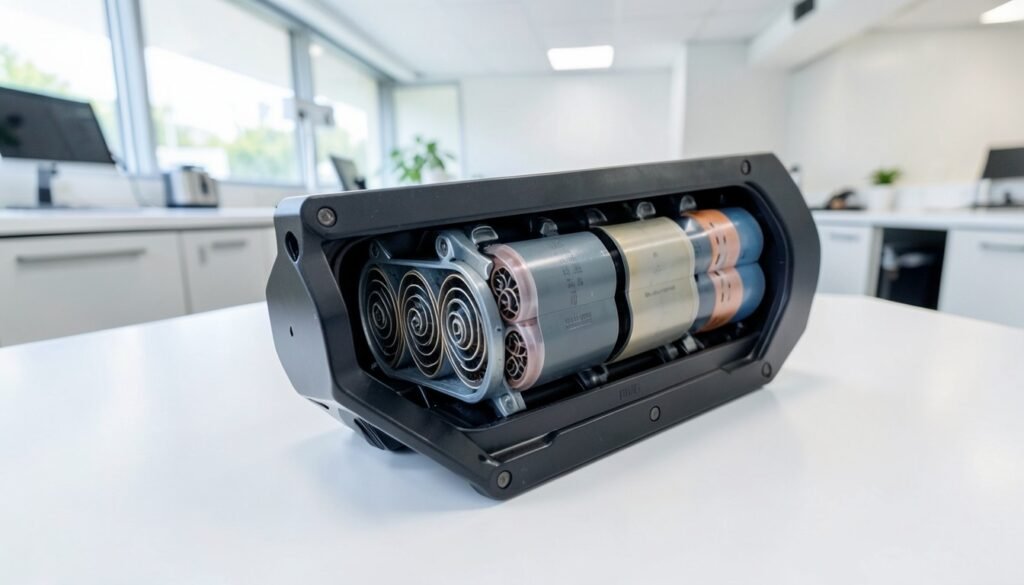
Local ordinances often focus on where you ride, but true peace of mind starts with the machine itself. Understanding e bike safety regulations is about more than just reading the law; it is about verifying the hardware before you hit the road. The gold standard is UL 2849 certification. This ensures your electrical system—including the motor, battery, and controller—has been rigorously tested against fire and electrical hazards. If you want to understand the mechanics behind this, read our piece on EV Lithium Battery Safety: Preventing Thermal Runaway and Fires.
The Consumer Product Safety Commission (CPSC) monitors the market, but they cannot inspect every unit sold globally. That’s why you must take responsibility for your own purchase. While a city might set a 20 mph speed limit, that does not mean your bike is mechanically built for that speed if it lacks the proper components.
Before you buy, check these critical safety markers:
- Braking systems: Prioritize hydraulic disc brakes, which provide the stopping power required for heavier, faster electric bikes.
- Frame integrity: Look for a label indicating compliance with ISO 4210 standards for e-bike structural requirements.
- Lighting: Ensure lights are hard-wired into the main battery rather than relying on external clip-ons.
- Tires: Verify they are specifically rated for the higher weight and torque an e-bike generates.
Don’t assume a low price tag means the manufacturer prioritized your safety. If the technical documentation ignores UL 2849, walk away.
Data-Driven Policy: What the Recent Studies Say
The data is sobering. A recent Stanford Medicine-led study confirms that youth injuries involving e-bikes and e-scooters are rising sharply. It is not just anecdotal evidence; the clear correlation between the rapid surge in e-bike adoption and a corresponding spike in emergency room visits has become a primary driver for legislative action. As noted on msn.com, this trend is why states are scrambling to update their e bike regulations for riders.
The Children’s Hospital Association has issued a formal call to action, arguing that current safety standards are insufficient for younger demographics. Their position focuses on two non-negotiables: mandatory, high-quality protective gear and standardized rider training. Relying on casual experience is no longer enough; we need stricter adherence to e-bike safety laws to curb these incidents.
Urban planners are finally using this accident data to move beyond simple lane painting. They are analyzing crash hotspots to justify physically protected bike infrastructure. By mapping where injuries occur, cities can redesign high-traffic intersections to mitigate risk, turning cold accident statistics into smarter, safer streets that accommodate the reality of modern electric mobility.

How to Comply with Local E-Bike Ordinances
Staying on the right side of e bike local regulations isn’t just about avoiding fines; it’s about your safety. Start by checking your state’s Department of Transportation website or your city’s municipal code portal. Look specifically for "micromobility" or "bicycle" sections to find the current e bike regulations and laws. If you are uncertain about your machine’s status, check for a permanent manufacturer label on the frame that displays its class and motor wattage.
Before your next commute, use a readiness checklist—like the one recommended by the MDOT. Verify your brakes, lights, and helmet compliance. Skipping these basics makes you an easy target for citations. Understanding these e bike safety regulations is vital, especially when you consider the Electric Motorcycle Challenges: The Real Limits of Honda’s New EV, which highlights why factory specs matter.
Never modify your controller to bypass factory speed limits. It is illegal in most jurisdictions, voids your warranty, and can lead to massive liability if you are involved in a crash. If you have concerns about e bike rules and regulations, attend local city planning meetings. Bringing clear, evidence-based feedback to officials helps shape sensible policy rather than reactive, restrictive bans. Stay informed, stay legal, and keep your ride safe.
Battery Safety and Charging Infrastructure
Your battery is the heart of your bike, but it can turn into a major liability if you cut corners. Aftermarket batteries—especially the cheap, uncertified ones you find online—often lack the internal management systems required to prevent thermal runaway. Using a mismatched or third-party charger is just as risky; it can easily overcharge a pack that wasn’t designed for that specific current, leading to a dangerous fire.
Always stick to the manufacturer-provided charger and cables. If you need a replacement, buy it directly from the brand or an authorized dealer. Think of it like fueling a car: you wouldn’t pour mystery fluid into your gas tank, so don’t do it with your high-voltage electrical system.
Best Practices for Storage and Charging
- Never charge unattended: Avoid overnight charging or leaving the battery plugged in while you are out of the house.
- Temperature control: Store and charge your battery in a cool, dry environment, ideally between 10°C and 25°C.
- Visual inspections: If the casing looks swollen, cracked, or feels abnormally hot during use, stop using it immediately.
As cities update their e bike regulations for riders, like we are seeing in places like Xenia, yahoo.com, the push for safe infrastructure is growing. In India, where e-bike adoption is surging, many users rely on home charging due to a lack of public stations. This shift makes it even more critical to follow these safety protocols, as home setups often lack the fire-suppression systems found in professional charging hubs. A reliable public charging network would drastically lower the risk of unsafe, DIY charging practices.

The Role of Manufacturers in Safety Compliance
Manufacturers are finally waking up to the reality that they cannot just slap a motor on a standard bicycle frame anymore. With cities like Xenia and Maricopa County tightening local ordinances, companies are building for compliance from the ground up, rather than treating safety as an afterthought. This shift is turning the industry toward professional-grade engineering.
Speed-limiting software is now the primary line of defense. By hard-coding maximum assist speeds, brands ensure their products meet specific e bike regulations for riders without requiring the user to be a tech expert. If you are buying a Class 3 model, that software lock is essentially your insurance against legal headaches and potential fines.
Look for serious hardware upgrades. Higher-speed e-bikes now demand hydraulic disc brakes and reinforced frame geometry to safely manage increased kinetic energy. It is a clear move toward automotive-grade safety standards. Much like the technical rigor seen in What is Counter Unmanned Aerial Systems? A Technical Guide, manufacturers are focusing on systems that prevent mechanical failure rather than just reacting to it after an accident.
Finally, transparency in documentation is the new requirement. Reliable brands now provide clear, jargon-free spec sheets that explicitly state the class, wattage, and braking standards. If a manufacturer’s website hides these technical details, treat it as a red flag. Choosing a bike with verified safety certifications, rather than just marketing fluff, is the most practical move you can make for your own protection.
E-Bike Adoption in India: A Regulatory Snapshot
India’s electric two-wheeler market is moving at a breakneck pace, mirroring the global tension where tech outstrips legislation, as noted by governing.com. While many international markets focus on pedal-assist classes, India’s e-bike regulations for riders primarily address high-speed electric scooters that function more like traditional motorcycles.
To manage this, the government utilizes the FAME-II scheme and strict Automotive Industry Standards (AIS). Specifically, AIS 156 and AIS 038 mandates are crucial for battery safety. Unlike the voluntary nature of some global guidelines, these are mandatory for manufacturers to access government subsidies. While the UL 2849 standard is the global benchmark for electrical system safety, Indian regulations place a heavy emphasis on thermal stability and crashworthiness to survive our harsh road conditions.
Indian cities are now adapting quickly. Traffic authorities are increasingly enforcing speed limits and helmet mandates as high-speed electric scooters fill urban streets. Understanding these local e-bike rules and regulations is essential for your safety on crowded roads. Whether you are in Bengaluru or Delhi, the movement toward standardized, safer hardware is finally gaining real traction.
Watch: E-Bike Laws & Classes Explained | Class 1, 2, 3 Electric Bikes Made Simple | Trek Bikes
Frequently Asked Questions
What is the difference between a Class 1, 2, and 3 e-bike?
Class 1 e-bikes provide pedal assist only up to 20 mph. Class 2 models include a throttle, also topping out at 20 mph. Class 3 bikes, often called speed pedelecs, provide pedal assist up to 28 mph. Understanding these classifications is crucial for compliant riding, as e bike regulations for riders frequently restrict specific classes from bike paths or trails.
Why are local cities passing their own e-bike ordinances?
Cities are acting because state-level e bike regulations and laws often lag behind the rapid surge in ridership. With reports of rising injuries, local governments like Xenia are stepping in to define age restrictions and safety requirements. These e bike local regulations help clarify the rules for riders, pedestrians, and law enforcement in shared public spaces.
What does UL 2849 certification mean for my e-bike battery?
The UL 2849 standard is the gold standard for e-bike electrical safety. It evaluates the entire electrical system—battery, charger, and motor—to ensure they won’t overheat or catch fire. When shopping, prioritize bikes with this certification. It is a critical component of e bike safety regulations, providing you with peace of mind regarding potential fire hazards during daily charging cycles.
Are e-bikes legally considered bicycles or motor vehicles?
The legal status varies significantly by jurisdiction. Generally, if an e-bike meets specific speed and power caps, it is categorized as a bicycle under e bike rules and regulations. However, some high-powered models may legally be classified as mopeds or motor vehicles. Always check your specific e bike regulations by state to confirm your legal standing before hitting the road.
Staying Ahead of Local Ordinances
The regulatory environment is shifting fast. From local updates in Xenia to broader changes across states, city councils are finally catching up to the realities of modern electric mobility. You need to keep a close eye on local e bike regulations for riders. It is not just about avoiding fines; it is about knowing exactly where you belong on the road and what safety gear is mandatory for your specific class of bike.
India is seeing a massive surge in electric two-wheeler adoption, but the regulatory framework there is also learning to balance performance with public safety. Whether you are in a small suburb or a massive metropolis, understanding the legal landscape is as critical as checking your tire pressure. Just as we analyze global manufacturing shifts, such as Where Are Honda Motorcycles Manufactured? Brazil’s $3.3B Strategy, you must keep a pulse on local policy.
Next step: Search your city’s municipal code today. Do not wait for a ticket to learn if your bike is legally considered a bicycle or a moped.


Join the conversation