
Key takeaways
- The Kawasaki Z300 is officially launching in India on October 20, 2026.
- Bookings for the Z300 are slated to open on October 19, 2026.
- Pricing is currently unconfirmed, so avoid relying on speculative figures found online.
- The bike is expected to feature a parallel-twin engine, prioritizing refinement over raw single-cylinder power.
Ever wonder why we keep clinging to the Ninja 300 platform when the rest of the world moved on? It turns out Kawasaki isn’t quite done with that reliable parallel-twin just yet. The Kawasaki Z300 India launch is officially set for October 20, 2026, and it’s essentially the naked version of the bike we’ve known for years. As reported by msn.com, this streetfighter is heading straight into a segment dominated by aggressive single-cylinder rivals. If you are debating if it’s worth your garage space, you aren’t alone. Much like the anticipation we see with the Hyundai Bayon India Launch: Specs, Price, and Buying Verdict, the real question here is whether a dated platform can hold its own against modern tech. Let’s break down what this bike actually brings to the table and if it makes financial sense.
The Z-Series Legacy in India
Kawasaki’s Z-badge in India isn’t just a label; it’s synonymous with sharp, aggressive street-legal performance. From the raw Z650 to the maniacal Z900, these bikes defined the "Sugomi" design language for us.
The 300cc segment is arguably the most critical space for Indian enthusiasts. It’s that perfect middle ground where you get enough punch for weekend highway runs, yet the bike remains light enough to filter through our chaotic office-hour traffic. While electric mobility is shifting gears—take a look at Audi’s First Made‑in‑India EV: What It Means for Indian Buyers for that perspective—there’s still no substitute for the mechanical feedback of a high-revving internal combustion engine.
The upcoming Z300 fills a gap that has been empty for too long. It’s essentially the streetfighter version of the Ninja 300, sharing the same proven chassis and engine architecture. If you’ve always loved the Ninja 300’s parallel-twin character but wanted something more comfortable for daily commuting, this is the bike you’ve been waiting for. Kawasaki built its Indian reputation on these high-revving twin-cylinder motors, and the Z300 is poised to carry that legacy forward by offering a more ergonomic, upright stance. It’s not just a parts-bin special; it’s a focused tool for riders who want performance without the committed posture of a full-faired sportbike. It is a welcome addition to the market.
Engine and Performance: What to Expect
If you’ve spent any time on the Ninja 300, you already know the heart of the new Z300. It packs that same 296cc, liquid-cooled, parallel-twin engine, a configuration that makes it a unique proposition in a segment currently dominated by aggressive single-cylinder machines. According to reports from newsbytesapp.com, we are looking at performance figures mirrored from the Ninja, which means an expected 38.4 bhp and 26.1 Nm of torque.
While the KTM 390 Duke and TVS Apache RTR 310 might punch harder in the mid-range with their single-cylinder character, the Z300 aims for a different kind of delivery. It is not about raw, frantic acceleration; it is about that smooth, linear power band that keeps you comfortable during long commutes or weekend highway runs.
The 6-speed gearbox paired with a slipper clutch is a massive win for urban Indian riders. Stop-and-go traffic in cities like Bengaluru or Pune can be brutal on the left hand, but the slipper clutch ensures you aren’t fighting the lever during aggressive downshifts or sudden traffic halts.
Why does this twin-cylinder layout matter? Because refinement is king. At highway speeds, those vibrations that often plague high-revving singles are significantly dampened here. If you’re tired of your hands going numb after an hour on the expressway, the Z300’s parallel-twin setup is exactly the upgrade your garage needs. It’s a balanced approach to performance that prioritizes long-term ease over sheer aggressive output.
Design Language and Ergonomics
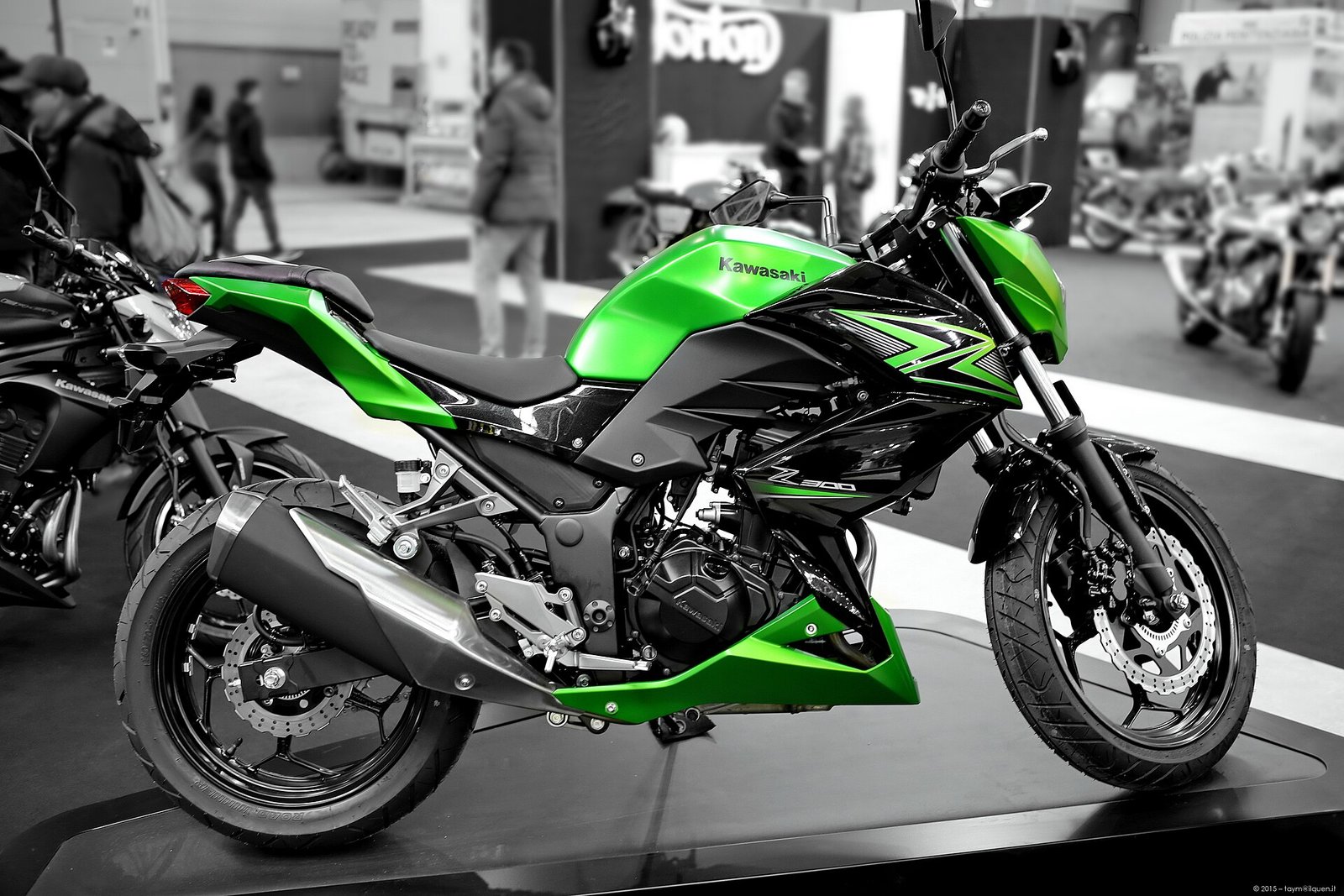
The Kawasaki Z300 leans into the aggressive ‘Sugomi’ design language, sporting a hunched, predator-like stance that makes it look ready to pounce. If you’ve seen the Ninja 300, imagine it without the fairing and with a sharper, more muscular fuel tank. It’s a clean look, though it might lack the sheer road presence of the beefier KTM 390 Duke.
For Indian city commuting, the wide, upright handlebar is a massive plus. It shifts your weight comfortably, allowing for easier filtering through bumper-to-bumper traffic compared to the crouched position of a supersport. Seat height is manageable for most, but like picking the right car, choice matters—much like when considering the Volvo EX90 vs ES90: Which Premium EV fits Indian buyers?.
Regarding build quality, Kawasaki’s CBU roots mean you get a premium, tight fit and finish that often feels a cut above local assembly. However, don’t expect a luxury experience for the pillion. The rear seat is essentially a token gesture—it’s firm, cramped, and strictly for short hops. If you plan on carrying a passenger daily, you might want to look elsewhere, as this bike is built primarily for the rider’s thrill.
Smart Tech and Safety Features
The Z300 is making a clear jump from the aging Ninja 300’s semi-digital setup. According to reports from bikeadvice.in, the bike is expected to feature a modern TFT display. This isn’t just for show; the inclusion of Bluetooth connectivity and turn-by-turn navigation is a massive functional upgrade for daily commuters and weekend tourers alike.
On the safety front, Kawasaki isn’t cutting corners. We are looking at disc brakes at both ends, supported by a dual-channel ABS as a standard safety feature, which is non-negotiable for bikes in this power bracket. All-LED lighting will also be standard, finally giving the Z-series that sharp, contemporary look we’ve been waiting for.
Why does this matter? As 300cc to 400cc machines become more capable, the gap between entry-level and performance models narrows. Riders today expect more than just a raw engine; they want tech that aids their ride. Having reliable ABS and clear, connected displays makes the bike feel like a complete package rather than a stripped-down budget model. If you’re pushing this twin-cylinder engine hard on a twisty mountain road, you’ll appreciate having that electronic safety net working in the background.
Pricing Strategy: Where Will It Sit?
The pricing of the Z300 is the elephant in the room for every potential buyer. While official figures remain unconfirmed, industry estimates hover around the Rs 3 lakh (ex-showroom) mark. Because Kawasaki is bringing this naked streetfighter to India via the CBU route, you should expect import duties to keep the price higher than if it were locally manufactured. This status makes it a premium proposition compared to single-cylinder rivals like the KTM 390 Duke.
Kawasaki faces a delicate balancing act here. They must price the Z300 attractively enough to sway riders, yet ensure it doesn’t cannibalize sales of the Ninja 300. If the naked Z300 sits too close to the faired Ninja, budget-conscious buyers might simply opt for the latter to gain that extra wind protection for highway touring.
Because this is a CBU import, tax structures will heavily influence the final cost. It definitely won’t be a budget commuter, so don’t expect entry-level pricing. If you are curious how premium import costs stack up against other performance machines, checking out the BMW F 450 RR India Preview: Specs, Price, and Rivals provides some perspective on market positioning.
For your wallet, patience is the best policy. The official announcement on October 20 will provide the exact figures and break down any potential introductory offers. Avoid rushing into a booking until then; wait to see if the value proposition holds up against the fierce competition. Every thousand rupees counts when you are choosing between twin-cylinder refinement and single-cylinder torque.
The Competitive Landscape
The sub-500cc segment is a battlefield, and the Kawasaki Z300 enters it with a specific weapon: its parallel-twin soul. While machines like the KTM 390 Duke and Triumph Speed 400 dominate the streets with their massive torque, they rely on single-cylinder architectures that can get vibey at sustained high RPMs.
If you spend hours on the highway, the difference is night and day. The Z300’s 296cc twin-cylinder engine provides a level of refinement that single-cylinder rivals simply cannot match, even if they might outrun it in a traffic light drag race. According to msn.com, the Z300 is set to challenge these established players, forcing you to choose between brute force and sophisticated, vibration-free performance.
Here is the breakdown of why you might pick the Kawasaki over the others:
| Feature | Z300 (Twin) | 390 Duke / Speed 400 (Single) |
|---|---|---|
| Engine Character | Smooth, high-revving | Punchy, aggressive |
| Highway Comfort | High | Moderate |
| Power Delivery | Linear | Explosive |
Buying the Z300 isn’t about chasing the highest horsepower-to-rupee ratio. It is a decision to prioritize comfort and that distinctive, growling twin-cylinder exhaust note. If you are tired of the aggressive, twitchy nature of high-displacement singles, the Z300 offers a more mature, composed riding experience that fits perfectly for weekend touring or relaxed city commutes. You aren’t just buying a bike; you are buying the Kawasaki pedigree and a platform that feels far more substantial at triple-digit speeds.
Maintenance and Service Network
Kawasaki has a decent footprint in major metros, but if you live in a Tier 2 city, you need to check if a service center is within a reasonable riding distance. Because the Z300 enters India via the CBU route—like other twin-cylinder Kawasakis—parts can occasionally be pricey or require a waiting period compared to locally manufactured rivals.
Expect higher periodic maintenance costs compared to single-cylinder machines like the Apache RTR 310 or 390 Duke. While their service intervals are well-defined, keeping up with authorized service is non-negotiable to protect your warranty. If you’re curious about how service networks compare for other premium bikes, reading our Triumph Bonneville T4 India Review: Specs, Price, Rivals & Real‑World Ride might give you a better sense of what to expect from premium brands operating here.
Pro-tip: Before you drop your booking amount on October 19, visit your local dealer. Ask to see their workshop. If the service floor is cramped or they have only one technician for big bikes, your service experience might be frustrating. Always prioritize a dealership with a proven service history over one that just promises a quick delivery.
Should You Wait for the Z300?
Kawasaki is finally bringing the Z300 to our shores on October 20, as reported by newsbytesapp.com. If you’re itching to book on October 19, you’re buying into the reliability of a proven parallel-twin platform. However, jumping in on day one means paying a premium to be an early adopter without knowing how the real-world service costs or long-term maintenance will stack up against the established KTM 390 Duke or the feature-heavy Apache RTR 310.
I’d suggest holding your chequebook for a few extra weeks. Waiting for independent reviews will give you a clear picture of real-world fuel efficiency and service intervals, which are critical for the average Indian rider. Why rush when you can let the first batch of owners flag any potential initial hiccups?
Is it for you? If you crave a refined, twin-cylinder engine for city commutes and occasional weekend highway blasts, the Z300 is a tempting proposition. But if you prioritize raw performance and aggressive electronics, the single-cylinder competition offers more raw excitement for your money. Think about your actual usage and your budget before putting down that deposit. If you can handle potential CBU part lead times, go for it; otherwise, test-ride the rivals first.
Watch: New Kawasaki Z300 – Official Video
Frequently Asked Questions
When is the Kawasaki Z300 launching in India?
You can mark your calendars for October 20, 2026. That is when Kawasaki officially launches the Z300 in India. The company has already showcased the bike to dealer partners in Bengaluru, and the excitement on the ground is palpable. If you’ve been waiting for a new naked streetfighter to hit the showrooms, this is the date you need to watch.
Is the price of the Kawasaki Z300 confirmed?
As of now, the official price remains unconfirmed. While industry estimates suggest a figure around Rs 3 lakh (ex-showroom), we have to wait until the launch event on October 20 to know for sure. Kawasaki is playing its cards close to the chest, but staying below that 3-lakh mark would definitely make it a serious contender for your garage.
Will the Z300 be a twin-cylinder motorcycle?
Yes, it is. The Z300 shares its heart with the Ninja 300, meaning you get that familiar 296cc, liquid-cooled, parallel-twin engine. We expect it to push out 38.4 bhp and 26.1 Nm of torque. In a market dominated by single-cylinder engines like the KTM 390 Duke, having a twin-cylinder setup gives the Z300 a distinct character that many riders prefer.
Where can I book the Kawasaki Z300?
You can head over to your nearest authorized Kawasaki dealership starting October 19, 2026, to place your booking. Given the brand’s specific dealer-partner showcase in Bengaluru, it’s best to touch base with your local showroom a day early to ensure you’re first in line. Don’t wait too long if you’re keen, as these initial batches often move quite quickly.
Should You Wait for the Z300?
So, is the Kawasaki Z300 worth holding off for? If you love the refinement of a parallel-twin engine but hate the committed posture of the Ninja 300, this is the bike you have been waiting for. It is a niche choice, especially when you consider the raw, aggressive performance of the KTM 390 Duke or the feature-packed Apache RTR 310. However, if your heart is set on that signature Kawasaki build quality, the October 20 launch is definitely worth watching.
If you are not strictly looking for a petrol-powered thrill machine, you might want to check out the e-SPRINTO G1: India’s Cheapest Smart Electric Scooter Revealed to see if a budget-friendly EV fits your city commute better. My advice? Wait until the official price announcement on October 20. If it hits that sub-Rs 3 lakh mark, book a test ride immediately to see if that twin-cylinder character suits your riding style.
Sources and further reading
- Kawasaki Z300 India launch confirmed for October 20; rivals KTM 390 Duke — msn.com
- Kawasaki Z300 Showcased in India, Launch on Oct 20 — bikeadvice.in
- Kawasaki Z300 streetfighter set to roll into India October 20 — newsbytesapp.com
Discussion