
Key takeaways
- Hyundai Bayon enters the Indian market as a tech‑rich sub‑compact SUV priced under ₹10 lakh.
- It offers a strong safety kit and modern infotainment, beating many rivals on features per rupee.
- Fuel economy and warranty make it a cost‑effective choice for city‑centric buyers.
- Space and ride comfort are its strongest points, while power output lags behind some competitors.
Ever feel like your SUV options are either too small or just a bit too bulky for tight city parking? Hyundai is about to solve that dilemma with the new Bayon. Sitting perfectly between the compact Venue and the popular Creta, this SUV is designed to bridge the gap in your driveway. While the official launch date is still unconfirmed, the buzz around the Bayon is already intense. If you’re into tech-heavy cabins and sharp, aggressive styling, this might be your next garage addition. We’ve already covered the BMW F 450 RR India Preview: Specs, Price, and Rivals for those who prefer two wheels, but today, let’s talk about why this four‑wheeler deserves your attention.
What the Bayon is and where it sits in Hyundai’s lineup
Ever feel like your car choices are stuck between “too small” and “way too big”? That’s the gap Hyundai is filling with the new Bayon. While it has already built a reputation as a stylish, tech-forward crossover in global markets, it’s finally landing here in India.
Hyundai is positioning this as the bridge between the compact Venue and the full‑sized Creta. Think of the Venue as your nimble city companion and the Creta as the family workhorse; the Bayon sits right in the middle, offering a more distinctive, design‑heavy persona. It’s arriving under Hyundai’s “Intelligence That Moves” banner, which signals that they’ve prioritized connected tech over raw size.
For those keeping an eye on how the market is shifting—especially with premium moves like Audi’s First Made‑in‑India EV: What It Means for Indian Buyers—the Bayon represents a focus on digital integration. It isn’t just another SUV; it’s a gadget‑heavy alternative for those who find the Creta too bulky but need more presence than the Venue provides. My take? It’s for the buyer who wants to stand out without needing a massive road footprint.
Official specifications and feature list
Under the hood, the India‑spec Bayon debuts with a 1.5‑litre naturally aspirated petrol engine. While market whispers suggest potential hybrid or smaller engine variants, Hyundai has kept those details under wraps for now. You can expect a choice between a smooth manual gearbox and an automatic transmission, though official fuel economy ratings are still pending final certification.
Inside, the dashboard is dominated by two 12.3‑inch displays—one for the digital instrument cluster and another for the touchscreen infotainment, according to trak.in. You get wireless Android Auto and Apple CarPlay as standard, which makes life much easier on those long weekend drives. The voice assistant feels like a genuine step up for cabin tech.
Safety is where Hyundai is really doubling down. Every trim comes equipped with six airbags, Electronic Stability Control (ESC), and ISOFIX child seat mounts. The standout, however, is the inclusion of Level 2 ADAS. You get lane‑keep assist and forward‑collision warning, which are vital for our unpredictable city roads. Pro tip: ensure you test these systems during your demo drive, as they behave differently in heavy Indian traffic compared to open highways.
How the Bayon stacks up against its main rivals
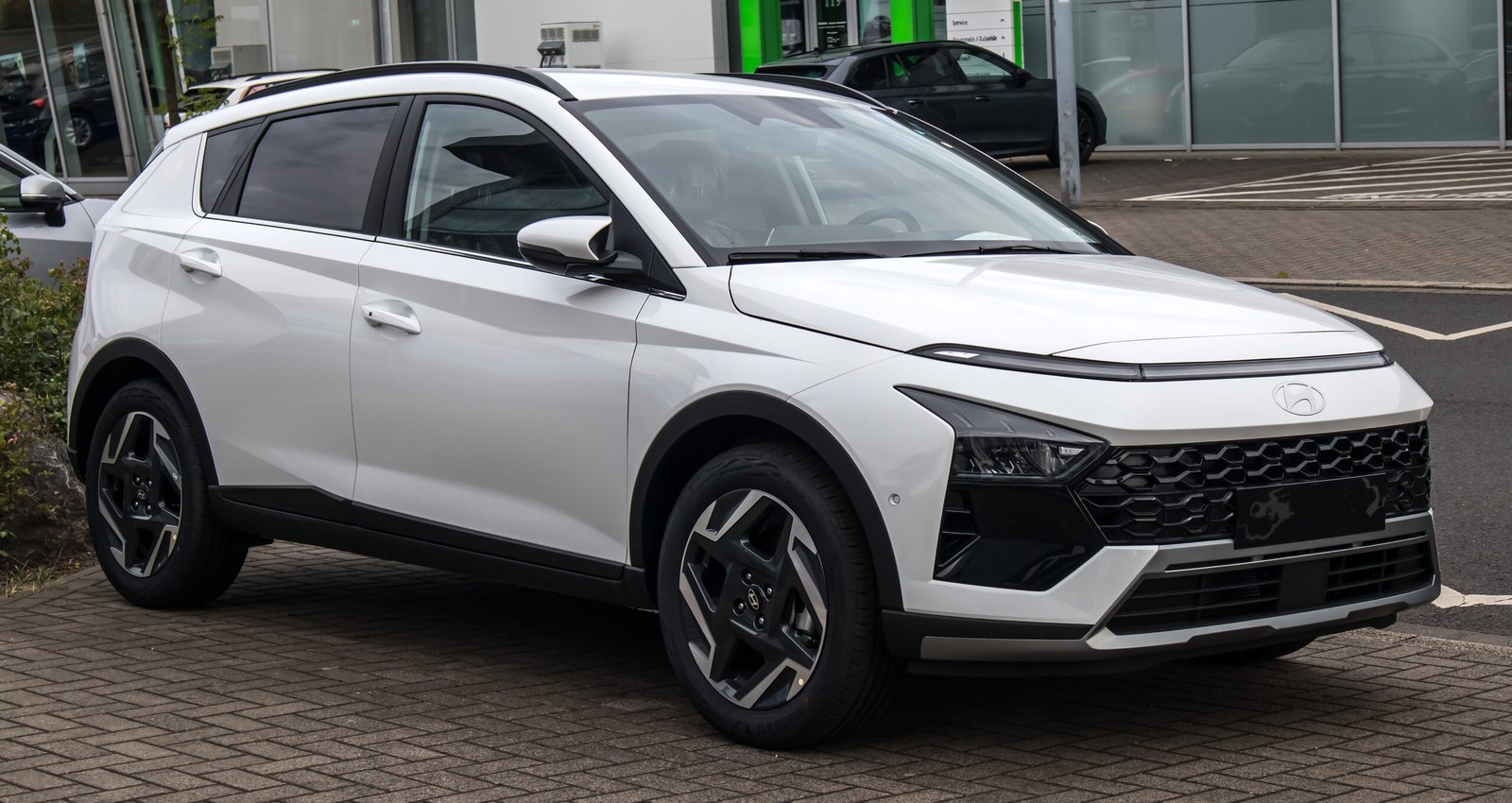
The Bayon lands right in the crosshairs of the Kia Sonet and Tata Nexon, while nudging against the entry‑level pricing of the Maruti Suzuki Grand Vitara. Since it sits between the Venue and Creta, it is designed to bridge the gap for buyers who find the Venue too compact but the Creta a stretch for their wallet.
While the Nexon offers a more rugged, boxy appeal and the Sonet leans heavily on features, the Bayon bets on its dual 12.3‑inch display setup and integrated AI tech. According to trak.in, prices start around Rs 10 lakh, which puts it in a very competitive spot.
| Feature | Bayon | Sonet | Nexon |
|---|---|---|---|
| Engine | 1.5L NA | 1.2L Turbo | 1.2L Turbo |
| Tech | Dual 12.3″ | 10.25″ | 10.25″ |
The Bayon’s 1.5‑litre naturally aspirated engine is reliable, but it lacks the immediate punchy delivery of the Nexon’s turbo engine. However, the cabin experience is where the Bayon wins. You get better screen real estate than most rivals, and the Bose sound system is a real treat. If you prioritize modern tech over raw engine power, the Bayon makes a compelling case. Where it might lag is in ground clearance and sheer road presence compared to the Grand Vitara. It is a sophisticated city dweller, not necessarily a mountain goat.
Real‑world driving impressions from early testers
Early road tests suggest the Hyundai Bayon hits a sweet spot for urban commutes. Journalists are praising the suspension tuning, which absorbs Indian road irregularities with surprising composure. While the upright stance gives you a commanding view of the road, keep in mind that the thick rear pillars might create a slight blind spot when you’re reversing in tight mall parking. Inside, the cabin remains impressively quiet at city speeds, though you will hear the engine working during aggressive overtakes on the highway.
Speaking of highway manners, the car feels planted at triple‑digit speeds, offering a level of stability that makes it feel larger than it is. If you’re into two‑wheeled thrills, you might also want to check out our Triumph Bonneville T4 India Review: Specs, Price, Rivals & Real‑World Ride to see how that compares in terms of pure road feel.
For the tech‑savvy, a practical tip: don’t leave the adaptive cruise control on full autonomy in chaotic city traffic. Instead, set it to the maximum following distance to prevent abrupt braking during sudden lane cuts. It keeps the ride much smoother and saves your fuel efficiency in stop‑and‑go jams.
Ownership costs and after‑sales support
When you buy a Hyundai, you’re buying into one of the most reliable service networks in the country. For the Bayon, expect typical service intervals every 10,000 km. While the exact maintenance costs are yet to be finalized, Hyundai’s standard 5‑year/100,000 km warranty gives you real peace of mind against mechanical surprises for a long time.
Given the 1.5‑litre naturally aspirated engine, you should budget for fuel costs based on an average of 15 kmpl in mixed traffic. If you cover 10,000 km annually with petrol priced around Rs 100 per litre, you are looking at roughly Rs 67,000 in fuel annually. It’s a predictable figure, though aggressive driving in city traffic will certainly nudge that number higher.
Since the Bayon starts around Rs 10 lakh as reported by trak.in, standard financing is the way to go. While some shoppers look for specialized green‑vehicle loans like the HDFC Flexi Electric Car Loan, that won’t apply here until a hybrid variant hits our shores. For now, stick to traditional EMI structures, which Hyundai’s dealer network manages well across its widespread service points. Tip: Always opt for the extended service packages during your first year to lock in lower labour rates.
Who should consider the Bayon and who might look elsewhere
Ideal buyer profile
- Young families who need a compact SUV that can slip into tight city lanes yet offer a rear seat that folds flat for a stroller or grocery run.
- First‑time SUV owners looking for a tech‑rich cabin without the premium price tag of a Creta.
- Urban commuters who value the 12.3‑inch digital cluster, wireless Android Auto/Apple CarPlay and a 1.5 L petrol engine that delivers around 14 km/L in city traffic (official figure not yet released but typical for the segment).
When a bigger SUV or an EV makes more sense
- If you regularly haul five‑plus passengers or bulky luggage, a larger model like the Creta or the upcoming Hyundai Tucson will give you extra cargo volume and a stronger engine.
- For buyers focused on zero‑emission driving, a pure‑EV such as the Tata Nexon EV or upcoming Maruti electric MPV will beat the Bayon’s petrol‑only powertrain on running cost.
- Those who crave off‑road capability should eye models with higher ground clearance and selectable 4WD, which the Bayon does not offer.
Quick decision‑making checklist
| Need | Bayon fits? | Better alternative |
|---|---|---|
| Budget ≤ ₹10 Lakh | ✅ | — |
| Daily city commute | ✅ | — |
| Frequent long trips with full load | ❌ | Creta / Tucson |
| Zero‑emission requirement | ❌ | EV options |
| Advanced off‑road | ❌ | 4WD SUVs |
If you tick most of the ✅ boxes, the Bayon is worth a test‑drive. Otherwise, check out the competition – for instance, the upcoming JSW Motors’ First SUV: A New Contender in India’s Mid‑Segment – before you decide.
Future updates and what Hyundai may add later
While the current petrol‑powered model hits showrooms in the near future, Hyundai isn’t stopping there. Rumours suggest a full‑EV variant or a plug‑in hybrid could join the lineup later, aligning with the company’s global push toward electrification. Keep an eye on how these versions evolve; if they launch, you might see them compete directly with the high‑end electric compact SUVs already appearing on our city roads.
The Bayon’s real strength lies in its digital backbone. Since the car supports over‑the‑air (OTA) updates, you can expect Hyundai to roll out refinements for the Level 2 ADAS and the voice assistant over the next 18 months. Think of it like your smartphone; the software will likely get smarter and safer without you needing to visit a service centre for an update.
Pricing is also a moving target. As trak.in notes, the entry point starts around Rs 10 lakh, but keep an eye on government subsidies or state‑level EV incentives. If the company decides to introduce a hybrid or electric variant, these policy shifts could shave a significant chunk off the final on‑road price, making the switch to cleaner tech much easier on your wallet.
Watch: Hyundai Bayon Launched | Interior, Features, Prices & Engine Options Detailed
Frequently Asked Questions
What is the launch date of the Hyundai Bayon in India?
Hyundai has not yet confirmed a launch date for the Bayon in India. The vehicle is currently in the rumor phase, and official details are expected to surface closer to a formal reveal.
How much does the Hyundai Bayon cost in India?
While Hyundai hasn’t released exact variant‑wise pricing yet, the word on the street is that the Bayon price will start around Rs 10 lakh. It sits right between the Venue and the Creta, so expect the higher‑end trims with the full tech suite to push that number significantly higher. Keep an eye out for the official reveal on launch day.
Is the Hyundai Bayon safe enough for family use?
Safety is a priority here. The Bayon comes packed with six airbags, electronic stability control, and a tyre pressure monitoring system. For those wanting extra peace of mind, the Level 2 ADAS suite and a 360‑degree camera are massive upgrades. I’d say it is a solid choice for families who want the latest tech without compromising on protective features during daily commutes.
How does the Bayon compare to the Kia Sonet?
Comparing the Bayon to the Kia Sonet is interesting because they share similar engineering roots, but the Bayon feels more tech-focused with its dual 12.3‑inch displays and AI voice assistant. While the Sonet is a proven hit, the Bayon offers a fresh design language and a slightly larger stance. If you prioritize cutting‑edge cabin tech, the Bayon might just edge out the Sonet.
Is the Bayon Right for Your Driveway?
If you’re tired of the cramped Venue but find the Creta a bit too bulky for tight city traffic, the Bayon hits that sweet spot perfectly. It’s built for the buyer who prioritizes cabin tech—like that generative AI voice assistant—over sheer road presence. Think of it as the automotive equivalent of the Motorola Signature 27 Review: Specs, AI Features & Indian Price; it’s all about integrating smart, modern tools into your daily routine.
I expect Hyundai to expand the powertrain options, perhaps with a turbo‑petrol or hybrid variant, once they gauge initial market response. For now, the 1.5‑litre engine is a sensible, reliable bet. If you’re ready to move ahead, you can secure a pre‑order slot once the official launch is announced.
Sources and further reading
- 2026 Hyundai Bayon Revealed in India: Price Can Start From Rs 10 Lakh — trak.in
- New cars coming to India: Maruti Suzuki’s electric MPV and Hyundai’s Bayon SUV could excite buyers — msn.com
Discussion