
Key takeaways
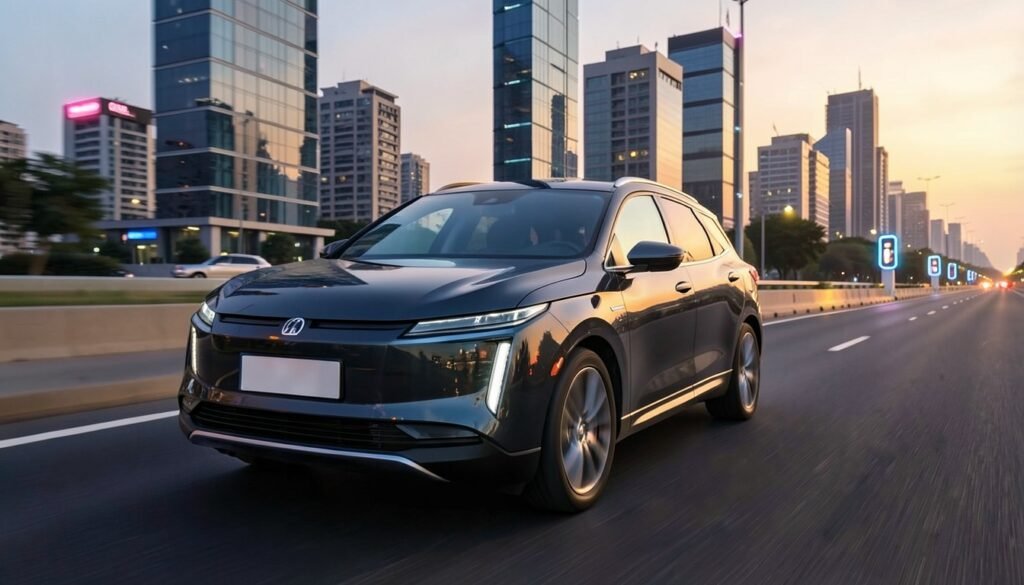
- Audi plans to produce its first Indian‑made EV by 2027, targeting the premium SUV segment.
- Local production should keep the price around ₹1.2‑1.4 crore, narrowing the gap with rivals.
- The model will likely offer a 500 km range, fast‑charging, and Level‑2 ADAS as standard.
- Buyers looking for brand prestige and Indian‑specific features will benefit most.
- Audi’s move could push other luxury brands to accelerate local EV manufacturing.
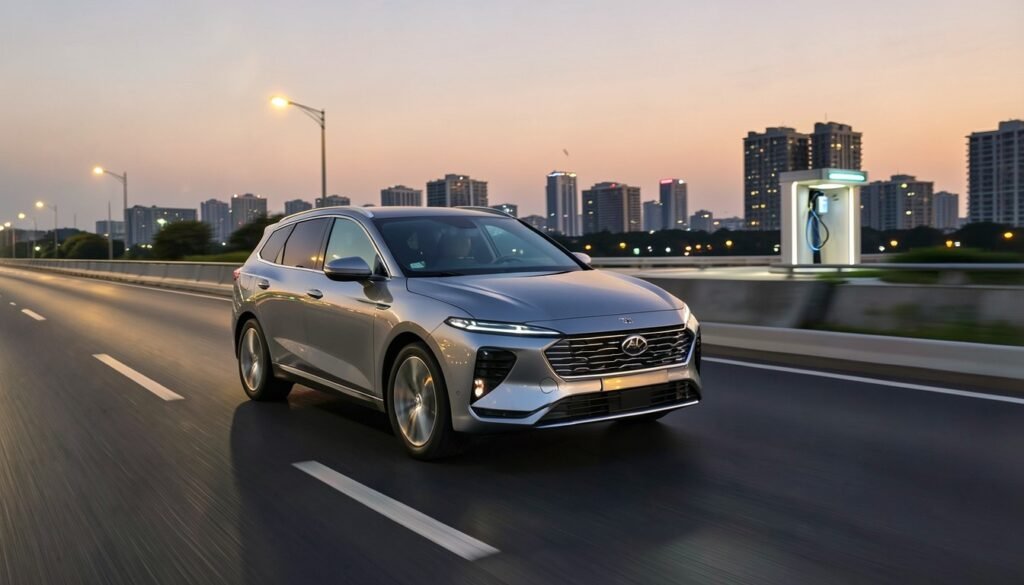
Imagine driving through a bustling tier-II city and seeing a sleek, locally manufactured Audi electric car at a brand-new showroom. It sounds like a distant vision, but Audi India is currently weighing exactly that. According to recent reports from fortuneindia.com, the luxury giant aims to double its market share to 15-16% in the next three to five years by sharpening its focus on customer needs and significantly expanding its dealer network.
This potential shift toward an Audi India electric car could fundamentally change how we perceive premium mobility. If you are eyeing a luxury electric SUV India, you’re likely wondering how this move will affect your wallet and future buying options. We’ll break down what we know about the potential for local electric car production India, how it compares to alternatives like Honda’s First Mass‑Market EV SUV in India: What You Need to Know, and why this matters for your next big car purchase.
Why Audi is Going Local – the market forces behind the decision
If you have been tracking the premium car space, you know that the "imported only" strategy for electric vehicles is starting to lose its shine. While I recently spent some time assessing the motorcycle market in our Triumph Bonneville T4 India Review: Specs, Price, Rivals & Real‑World Ride, the luxury car segment tells a more complex story. Audi India is currently sitting at about an 8% market share, and they have set a firm goal to double that to 15-16% over the next three to five years.
To hit those numbers, they are finally reconsidering their manufacturing footprint. Rivals like Mercedes-Benz and BMW have already moved significant portions of their EV assembly to Indian soil, giving them a pricing edge that Audi simply cannot match with fully built-up units. The government’s push for local production, coupled with the potential benefits of the proposed India-EU Free Trade Agreement, makes this a logical move.
Between 2024 and 2026, we have seen luxury EV adoption move from a niche curiosity to a serious consideration for high-end buyers. By shifting to local production, Audi isn’t just cutting down on import duties; they are positioning themselves to capture the growing demand in tier-II and tier-III cities. It is a strategic pivot that effectively turns their "wait and see" approach into a full-scale commitment to the Indian road.
What we know about the upcoming Indian‑made Audi EV
While Audi India is still finalizing the decision to manufacture an electric vehicle locally, as reported by moneycontrol.com, the industry is buzzing about what this move implies. We expect the company to lean toward an SUV body style, which remains the hottest segment for luxury buyers in our country.
Technically, Audi is likely to utilize either the MEB or the more advanced PPE platform to ensure that familiar premium driving experience. While exact specifications remain under wraps, we are looking at a target range of around 500 km on the WLTP cycle—a sweet spot for highway commutes between cities like Mumbai and Pune.
Here is what you should watch for in the tech department:
- ADAS Suite: Level 2 autonomous features for safer highway driving.
- Infotainment: A localized MMI system with improved support for Indian language voice commands.
- Charging: High-speed 800V architecture, which is crucial for quick top-ups at public charging stations.
If the internal green light comes through, a 2027 launch is the most realistic timeline. This window gives Audi enough time to streamline local production processes and ensure the supply chain is ready to scale up for the Indian market.
Price expectations and how they stack up against rivals
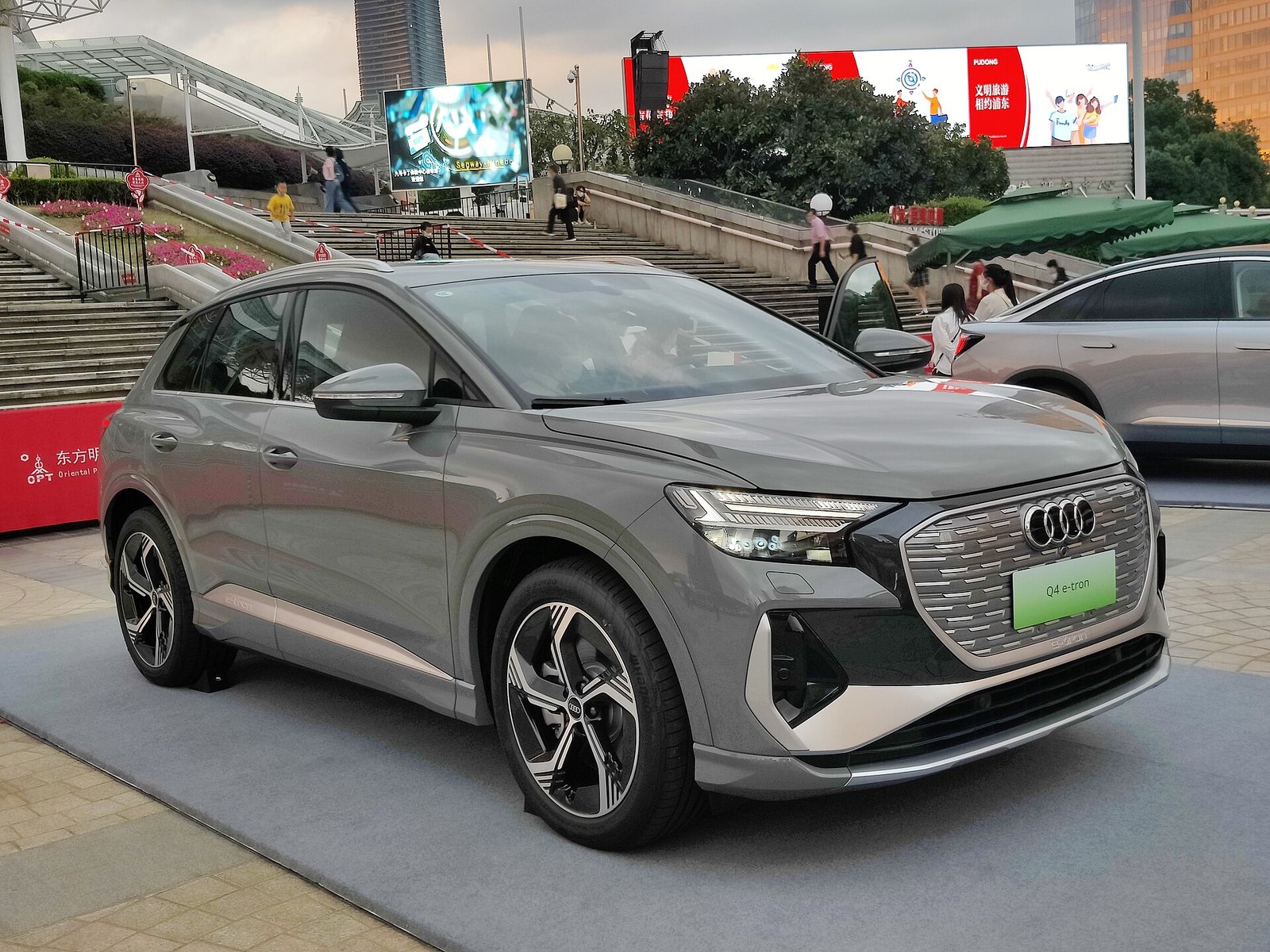
If Audi greenlights local production, expect the pricing to land between ₹1.2 crore and ₹1.4 crore. Right now, rivals like the BMW iX, Mercedes-EQC, and Jaguar I-Pace are imported as CBUs, which attracts heavy duties. By shifting to local assembly, Audi could effectively bypass these steep import taxes, potentially offering more features or a more aggressive entry price than its German competitors.
While we wait for official confirmation, it is worth looking at the total cost of ownership. Beyond the initial sticker price, EVs offer lower maintenance and lower charging costs compared to their petrol-powered siblings. Depreciation remains the wild card, though local production usually helps with better part availability and long-term service support. This shift isn’t just about the car; it reflects how we handle advanced tech here, much like how the Boston Dynamics Robot Hand: What It Means for Indian Factories signals a move toward high-tech local manufacturing.
For the buyer, this means your money might go further. If you are currently shopping for a premium SUV, this locally-made Audi could lower the barrier to entry, making the transition to electric less of a financial leap. Just keep an eye on insurance premiums, as these high-value battery packs can still be expensive to cover. If they hit that ₹1.2 crore mark, they will definitely keep the pressure on their peers.
Feature deep‑dive: ADAS, connectivity and Indian‑specific tweaks
Level‑2/3 driver assistance
Audi’s Indian‑made EV is expected to carry the brand’s latest Level‑2 suite – adaptive cruise, lane‑keep assist and traffic‑jam assist – and a selectable Level‑3 “traffic‑stop” mode for congested city roads. In practice, the car will handle acceleration, braking and steering within a 30 km/h speed envelope, then hand control back to you.
Test‑drive tip: Ask the dealer to activate the “traffic‑stop” demo on a quiet stretch of highway. Feel how the car maintains distance and stays centered; press the override button to see how quickly it returns to manual control.
Connectivity built for India
Audi plans to bundle a locally‑optimised MMI system with Hindi, Tamil and Bengali voice packs, plus real‑time traffic data from Indian map providers. Over‑the‑air (OTA) updates will roll out monthly, keeping firmware, navigation maps and infotainment apps fresh without a service‑centre visit.
Charging network partnerships
The EV will tap into existing fast‑charging alliances: Tata Power’s 350 kW DC stations in metros and Fortum’s growing footprint in Tier‑II cities. Audi’s app will auto‑locate the nearest compatible charger, display real‑time slot availability, and even reserve a spot.
| Partner | Typical Power | Coverage (2027) |
|---|---|---|
| Tata Power | 350 kW | 150+ metro stations |
| Fortum | 150 kW | 80 stations in Tier‑II |
These Indian‑centric tweaks aim to make the Audi EV feel less like an imported gadget and more like a home‑grown premium ride.
Source: newsbytesapp.com
Who should consider buying the new Audi EV
First‑time luxury EV buyers
If you’ve been eyeing a badge that commands respect on Delhi’s Ring Road, the locally built Audi EV could be your entry ticket. The brand cachet alone—think quattro heritage and a sleek German silhouette—adds a premium feel that most Indian EVs can’t match. Expect a price bracket north of ₹1.2 crore, so it’s a serious commitment, but the “Made‑in‑India” badge may shave a few percent off import duties compared with an imported model.
Existing Audi owners
Current Audi drivers who already trust the dealership network will find the upgrade path smoother. Service packages, familiar infotainment layouts, and the possibility of swapping a diesel SUV for an electric one without changing garages make the transition low‑friction.
Corporate fleets & HNIs
Large firms looking to green their fleet can leverage Audi’s expanding dealer base in tier‑II cities for easier after‑sales support. High‑net‑worth individuals who value exclusivity will also appreciate the limited‑run nature of the first Indian‑made Audi EV.
Not for the price‑sensitive
The downside? At a launch price likely above ₹1.2 crore, it sits well beyond the sweet spot of most Indian buyers. If you’re hunting for value per kilowatt‑hour, models like the Tesla Model Y or the upcoming Volvo EX90 may offer more mileage for less money. See how the Volvo stacks up in our comparison: Volvo EX90 vs ES90: Which Premium EV fits Indian buyers?
Potential challenges – supply chain, charging infrastructure, and resale
Battery supply constraints
India still imports over 90 % of its lithium‑ion cells, and domestic gigafactories are only ramping up. That means a locally built Audi EV could face lead times of 3–4 months for battery packs, especially if demand spikes after launch. Audi has hinted it will tap the proposed India‑EU free‑trade agreement to source modules from European partners while nurturing a local supplier base, a move that could shave a month off delivery cycles【fortuneindia.com】.
Fast‑charging network density
Today, Tier‑1 metros host roughly 150 DC fast‑chargers per million residents, compared with 30‑40 in Tier‑2 cities. An Audi buyer in Hyderabad or Pune might need to travel 40‑50 km to the nearest 150 kW point. Audi plans to partner with existing networks like Tata Power and Charge+ to install 200‑kW stations at its new showrooms, aiming for a 20 % increase in fast‑charger count in Tier‑2 markets by 2029.
Resale value trends
Imported EVs such as the Tesla Model 3 have shown a 12‑15 % depreciation in the first two years, while locally assembled models like the Hyundai Kona EV hold about 85 % of their price. Audi expects its Indian‑built EV to land in the latter band, thanks to lower import duties and easier parts availability, which should make the total cost of ownership more palatable for Indian premium buyers.
Frequently Asked Questions
When will Audi launch its first locally made electric car in India?
Audi has said it will make a decision on local production “in the next couple of months.” The company hasn’t announced a concrete launch date, but industry chatter points to a 2027 debut, assuming the India‑EU free‑trade pact clears and production lines are set up in time.
What will be the expected price of the Indian‑made Audi EV?
No official price has been disclosed. Because Audi plans to manufacture the vehicle locally, it could be priced lower than current imported premium EVs, but any figure would be speculative until the company releases a price tag.
How does Audi’s EV range and charging speed compare with the Mercedes‑EQC?
Audi has not revealed the battery capacity, range or charging rates for its Indian‑made model, so a direct comparison with the Mercedes‑EQC (which offers about 420 km WLTP range and 80 % charge in 40 minutes) isn’t possible yet. We’ll have to wait for official specs.
Will the new Audi EV have Level‑3 autonomous driving?
Audi has not confirmed any Level‑3 autonomous capability for the upcoming Indian EV. While the brand offers advanced driver‑assist features in some global models, whether those will be fitted to the locally produced version remains unannounced.
Bottom Line for the Indian Buyer
Audi’s move to build a BEV in India could finally bring a home‑grown premium EV into the price bracket of a fully imported e‑trons, but you’ll likely be looking at a launch window around 2027‑28, not next year. Expect a price north of ₹60 lakhs once local production kicks in—still higher than the Tata Nexon EV (₹14 lakhs) but potentially competitive with the Mercedes‑EQC (≈₹80 lakhs) on features like matrix LED headlights and a 300‑km WLTP range. If you’re comfortable waiting and want a badge that blends German engineering with Indian manufacturing, Audi may soon be a realistic option.
Next step: Keep an eye on Audi’s official announcements over the next few months and start budgeting now; you can also explore more affordable electric mobility alternatives like the e‑SPRINTO G1: India’s Cheapest Smart Electric Scooter Revealed to gauge what value you expect from an EV.
Sources and further reading
- Audi India mulling local production of electric car, aims to double market share in 3-5 years — fortuneindia.com
- Audi might start making electric cars in India — newsbytesapp.com
- Audi India mulls local electric car production, decision expected in coming months — moneycontrol.com
Discussion