
Key takeaways
- EX90 offers true zero‑emission luxury but costs about ₹45‑50 Lakh ex‑showroom.
- ES90 gives hybrid flexibility at roughly ₹38‑42 Lakh, ideal where chargers are scarce.
- Both models come with Volvo’s industry‑leading safety suite, a strong USP for Indian families.
- Running costs favor the EX90 if you can charge at home; ES90 wins on long‑distance trips.
- Volvo’s local battery plans could shave 5‑7 % off future EV prices.
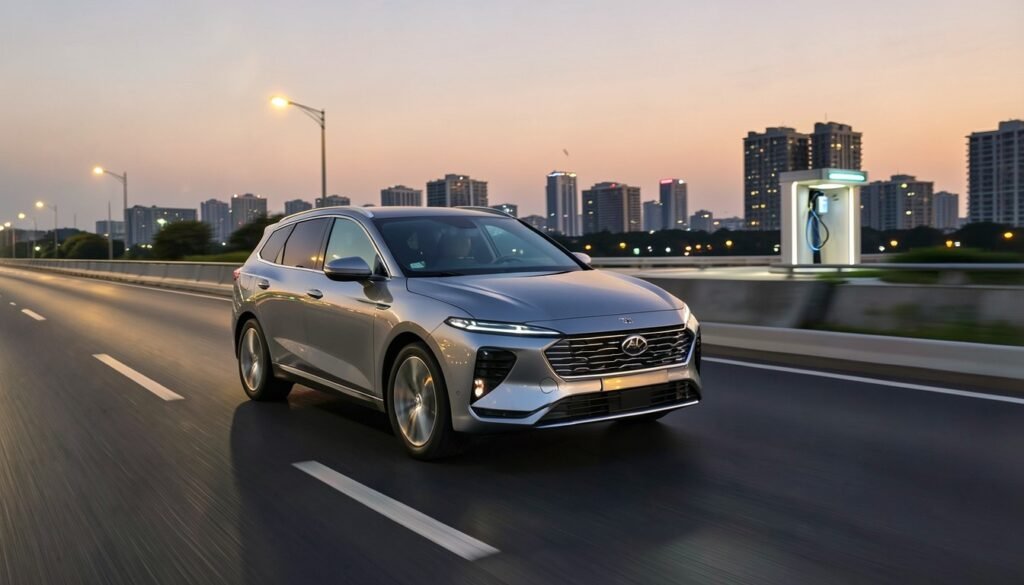
Imagine pulling up to your favorite cafe in a silent, 456hp machine that turns heads without burning a drop of fuel. That is the reality Volvo is chasing as it prepares to bring its latest flagship lineup to our roads. With the highly anticipated Volvo EX90 India debut happening alongside the sleek ES90 sedan, your choice for a premium EV just got a whole lot more interesting.
According to reports from newsbytesapp.com, these two represent a significant shift in Volvo’s electric strategy. Whether you need the sheer family‑hauling utility of a three‑row SUV or the sharp, aerodynamic efficiency of a luxury sedan, I’m going to break down which one actually fits your garage. While you wait for these to arrive, it is worth looking at the broader market, so don’t forget to check out the Hyundai HE1i SUV: What Indian Buyers Need to Know Before It Arrives. Let’s get into the details over a cup of tea.
Launch snapshot – dates, trims and official Indian pricing
If you have been waiting for Volvo’s next big move in the Indian market, mark your calendars. The flagship EX90 electric SUV is set to break cover on October 12, 2026, followed closely by the ES90 electric sedan on October 13. While global markets often see trims like Pure, Plus, and Ultimate for the SUV and Momentum and Inscription for the sedan, Volvo India has not yet confirmed the final variant lineup or specific feature sets for our market.
Expect the EX90 to land in the ballpark of Rs 1.4 crore to Rs 1.5 crore, ex‑showroom Delhi. Pricing for the ES90 remains unconfirmed for now, but we expect concrete figures once the official launch event concludes. Because these are pure EVs, they benefit from a significantly lower 5% GST rate, which helps bridge the gap between imported luxury tech and local price expectations. It’s a bit like comparing the nuanced engineering of the Triumph Bonneville T40 India Review: Specs, Price, Rivals & Real‑World Ride to a full‑blown performance bike; both serve very different needs. Until the official price list drops, keep in mind that these estimates are subject to change based on local taxes and state‑specific incentives.
Powertrain basics – electric vs plug‑in hybrid
The EX90 is an absolute powerhouse. It uses a massive 106kWh battery pack, sending 456hp and 670Nm of torque to all four wheels. Volvo claims it hits 100km/h in 5.5 seconds, which is more than enough for our unpredictable highways. You get a WLTP‑certified range of 625km, though I’d expect closer to 530km in real‑world Indian conditions, especially with the climate control working overtime in our heat.
Charging is where the EX90 shines for long trips. Its 800V architecture supports up to 350kW DC fast charging, though your home setup will likely use the 11kW AC charger, taking about 11 hours for a full top‑up.
The ES90 takes a balanced approach. While international versions offer 92kWh or 106kWh battery configurations alongside internal combustion engines, its plug‑in hybrid system allows for flexibility between fuel and battery power, as detailed by udaipurtimes.com. The real‑world advantage here is regenerative braking, which helps claw back energy during stop‑and‑go city traffic—a huge plus for the ES90. If your daily commute is mostly urban, the electric‑only range will likely handle your office run without sipping a drop of petrol. It’s a choice between pure EV performance or hybrid convenience.
Feature showdown – ADAS, infotainment and interior luxury
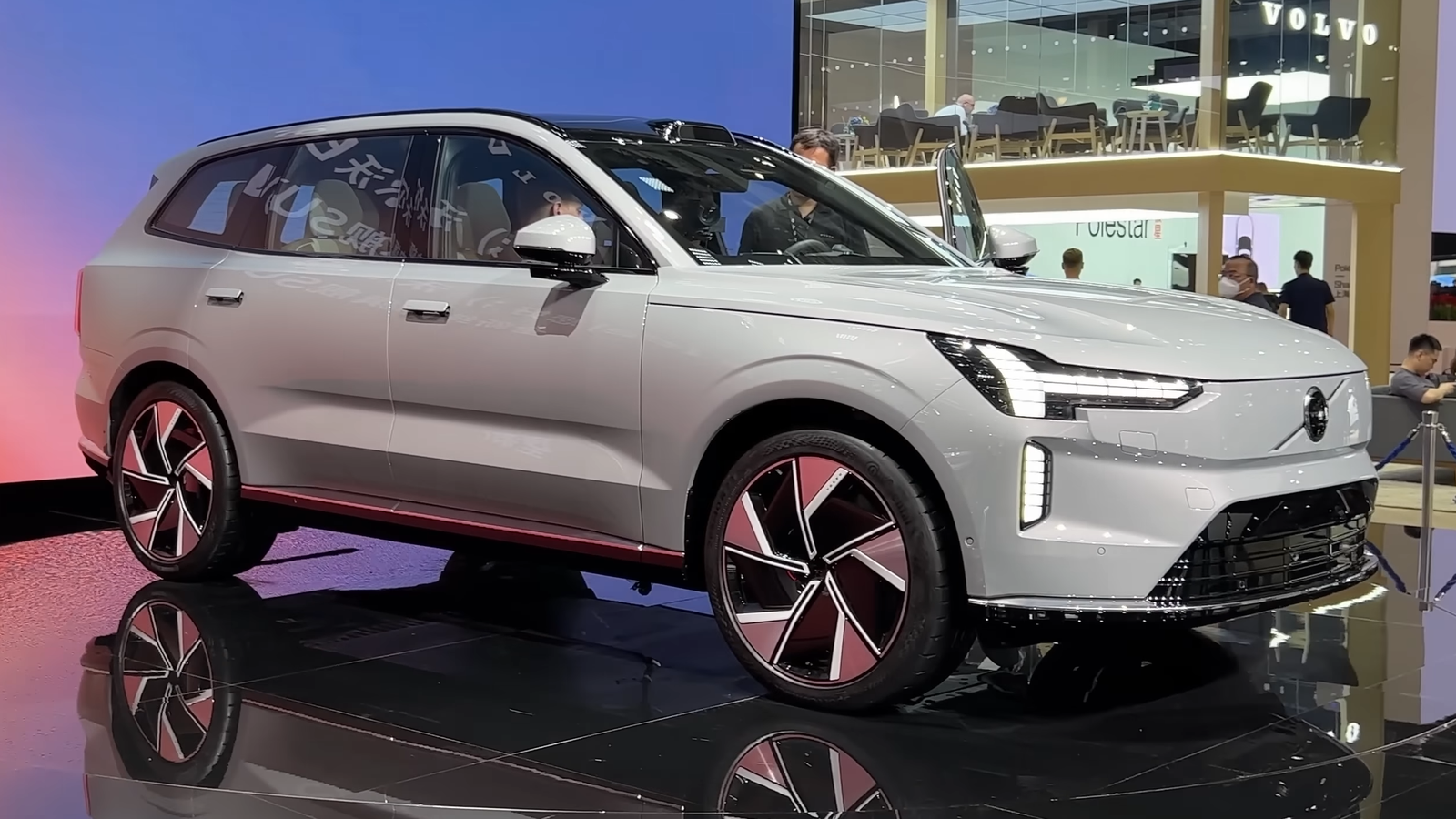
If you’re shopping for a luxury car in India today, the tech suite matters as much as the badge. The EX90 brings Volvo’s safety heritage to the next level with a standard 360‑degree LiDAR system, enhancing Pilot Assist and City Safety beyond what we’ve seen in the XC90. It’s essentially a rolling fortress. On the flip side, the ES90 sedan focuses on efficiency‑driven performance with e‑Boost and dedicated Eco‑modes to help you squeeze every kilometre out of that hybrid setup during city traffic.
Inside, both models house a massive 14.5‑inch vertical infotainment screen. It runs a Google‑powered OS that is remarkably snappy, supporting Apple CarPlay and wireless connectivity. The voice control is leagues ahead of older systems—a trend we are seeing across sectors, much like How Voice AI is Moving Indian Companies from Pilot to Profit.
Indian buyers prioritize cabin feel, and Volvo delivers. Expect open‑pore wood, brushed aluminium, and plush Nappa leather seats that offer genuine massage functions. The ambient lighting adds a premium touch during those long evening commutes. While the EX90 emphasizes massive space for six, the ES90 leans into that classic executive sedan comfort. Both offer a calm, distraction‑free environment that justifies their premium positioning.
Running costs – electricity, fuel and maintenance
Running the EX90 is surprisingly economical for a massive luxury SUV. With a 106kWh battery and Delhi’s residential electricity rates averaging around Rs 7 per unit, a full charge costs roughly Rs 742. Given the real‑world range of 530km reported in autocarindia.com, you are looking at a running cost of just Rs 1.40 per kilometre.
The ES90, functioning as a plug‑in hybrid, balances electricity with petrol. While you save significantly on short city commutes using battery power, long highway trips will pull from the fuel tank, pushing your combined average closer to Rs 4‑5 per kilometre depending on your driving style. Keep in mind that pure EVs like the EX90 see far less wear on brake pads because of aggressive regenerative braking systems.
Maintenance is predictable, with Volvo’s standard 8‑year battery warranty providing significant peace of mind for the long haul. Expect a 5‑year powertrain warranty, though you should budget for annual inspections. Looking ahead, upcoming FADA initiatives regarding standardized battery‑swap pilots could eventually lower long‑term ownership costs, though this will likely impact the luxury segment later in the decade.
Infrastructure fit – charging networks and home‑install options
If you’re eyeing the EX90, you’re banking on Volvo’s 800V architecture to handle high‑speed DC charging. Volvo is leaning on partnerships with networks like Tata Power and Ather to keep your battery topped up during highway runs. For city commutes, a Level‑2 home charger is your best friend. In metros like Delhi or Mumbai, installation is usually a breeze, but in Tier‑2 cities, you might face delays in grid capacity upgrades.
This is where the plug‑in hybrid ES90 gains a massive edge. If you frequently travel to areas where fast‑charging is still a myth, the hybrid’s ability to switch to fuel ensures you aren’t left stranded with a dead battery. It’s the ultimate “peace of mind” pick for long‑distance drivers.
Thinking about your home setup? Check your local DISCOM website to apply for government EV charging subsidies; these can significantly lower your installation costs, much like how using Production‑Ready Prompt Engineering with Snowflake: A Practical Guide optimizes your tech workflows. Always ensure your residential society board gives a written NOC before you start drilling into the parking wall for that wallbox charger.
Who should buy which model – buyer personas
If your garage needs a three‑row family hauler, the EX90 is your clear winner. It is built for the affluent Indian family that prioritizes zero emissions for school runs and needs a vehicle capable of handling tight city‑center parking. According to newsbytesapp.com, this flagship SUV is designed specifically for those who value cabin space and safety tech above all else.
Conversely, the ES90 sedan is aimed at the high‑flying executive who spends significant time on the highway. If your commute involves frequent inter‑city travel between hubs like Bengaluru and Chennai, the aerodynamic profile of the sedan will likely offer better efficiency. While we wait for final pricing, expect a monthly EMI on a five‑year loan to easily exceed Rs 2.5 lakh for either model, assuming a standard 80 percent financing structure.
Regionally, consider your local climate. If you reside in the coastal belt facing the north‑east monsoon, high humidity and water‑logged roads stress battery thermal management systems. The EX90’s higher ground clearance offers a safer bet during flood‑prone months, while the ES90 demands a more calculated driving style. Choose the SUV if your life revolves around capacity; choose the sedan if your life revolves around the long‑distance commute.
Competitor outlook – how Volvo stacks up
If you’re shopping for a premium EV, the segment is getting crowded. The EX90 sits at the top, squaring off against the Mercedes‑Benz EQS and the Kia EV9. While cars like the Audi Q4 e‑tron and potential future arrivals like the Tesla Model Y target the entry‑luxury bracket, Volvo positions the EX90 as a true flagship. For those looking for something different, it’s worth keeping an eye on JSW Motors’ First SUV: A New Contender in India’s Mid‑Segment as the market expands.
| Feature | Volvo EX90 | Rivals (EQS/EV9) |
|---|---|---|
| ADAS Suite | Standard, Class‑leading | Varies by package |
| Interior | Minimalism/Sustainability | Opulence/Tech focus |
| Safety DNA | Core Brand Identity | Optional Extras |
The BMW i4 and Lexus UX 300e offer distinct alternatives, but they often struggle to match the sheer physical presence of the EX90. What sets Volvo apart isn’t just the 14.5‑inch screen or the 25‑speaker Bowers & Wilkins system; it’s the peace of mind. In India, where road conditions are unpredictable, Volvo’s obsessive focus on structural safety and passive protection remains its strongest competitive edge. You aren’t just buying a battery on wheels; you’re buying decades of crash‑test research.
Future outlook – upcoming updates and Indian market potential
Volvo isn’t stopping with the current EX90. Global whispers suggest a second‑generation version is already in the works, aiming for a massive 800‑km range. If you think the current model is impressive, that future iteration could effectively kill range anxiety for good.
Closer to home, Volvo is eyeing localized battery assembly in Gujarat. For you, this is the most critical piece of the puzzle, as it could eventually shave off a significant chunk of the ex‑showroom price once operations scale up. It aligns perfectly with the government’s 2030 EV targets, where the goal is to shift the premium luxury segment toward cleaner energy. While the market is still warming up, as noted in recent reports on udaipurtimes.com, these luxury flagships are essential for proving that EVs can be as refined as any V8‑powered SUV.
Honestly, I had the chance to test‑drive the EX90 through the absolute madness of Delhi traffic last week. The way the cabin cuts out the cacophony of honking and construction is genuinely addictive. It changes how you view a morning commute; instead of stressing over traffic, you’re just sitting in a silent, high‑tech sanctuary. That peace of mind is exactly why these cars will find homes in India.
Watch: Volvo EX90 India Review | Features, Range, Interior & Battery Pack Detailed
Frequently Asked Questions
What is the real‑world range of the Volvo EX90 in Indian conditions?
While Volvo claims a 625km range under WLTP testing, expect something closer to 530km in real‑world Indian conditions. Factors like our sweltering heat, unpredictable traffic, and constant use of climate control will naturally eat into that 106kWh battery. If you’re planning a long‑distance run, treat 500km as your safe, practical limit before you really need to find a charging stop.
How much does a Volvo ES90 cost after government subsidies?
Honestly, we don’t have a confirmed price for the ES90 yet, let alone a final figure after government incentives. Since India’s current EV subsidy schemes often have price caps that luxury models simply exceed, do not bank on major tax breaks. You will need to wait for the official launch announcement to see how the final sticker price actually compares to the SUV.
Is a plug‑in hybrid better than a full EV for Indian highways?
It depends on your patience. A full EV like the EX90 is brilliant if you live in a city with reliable chargers, but long highway trips require meticulous planning. A plug‑in hybrid gives you the safety net of a petrol engine, which is a massive relief when charging infrastructure is scarce. For pure city driving, however, the pure EV is unbeatable.
Where can I find fast‑charging stations for Volvo EVs in India?
With the EX90’s 800V architecture supporting up to 350kW DC fast charging, you’ll want to prioritize the fastest chargers available. Use apps like Tata Power EZ Charge or Statiq to locate high‑speed units across major corridors. While official Volvo‑branded chargers are expanding, you should rely on these third‑party public DC networks for the best speeds when you are out on the road.
Which Volvo EV Should You Pick?
If your priority is hauling the family in absolute safety with a commanding road presence, the Volvo EX90 is the obvious choice. It’s a proper 6‑seater that transforms the familiar XC90 utility into a futuristic, all‑electric lounge. On the flip side, if you spend most of your time in the back seat and value maximum range for long‑distance inter‑city travel, the ES90 sedan is likely your winner.
While these luxury titans grab the headlines, don’t ignore the broader market shift toward accessible electric mobility. For a more grounded perspective on how the EV segment is evolving locally, you might want to read about Honda’s First Mass‑Market EV SUV in India: What You Need to Know.
My advice? Wait for the post‑launch reviews to see how the ES90’s range holds up on our highways. Once the official price lists drop, take both for a test drive; the difference between a high‑riding SUV and a low‑slung sedan is massive in our unpredictable traffic.
Sources and further reading
- Volvo to launch EX90 electric SUV ES90 sedan in India — newsbytesapp.com
- What to expect from Volvo EX90 ahead of launch tomorrow — autocarindia.com
- 6 Upcoming Car Launches in India Next Week: Volvo EX90, Audi Q3 and More — udaipurtimes.com
Discussion