
Key takeaways
- Honda aims to debut a sub‑₹12 lakh EV SUV by March 2027.
- The vehicle will likely offer ~300 km range, fast‑charging and a solid ADAS suite.
- Price positioning puts it against Tata Nexon EV and MG Comet, but brand trust could be a differentiator.
- Financing options like HDFC’s Flexi loan can lower the upfront cost.
- Early booking and staying tuned to official announcements will secure the best deals.
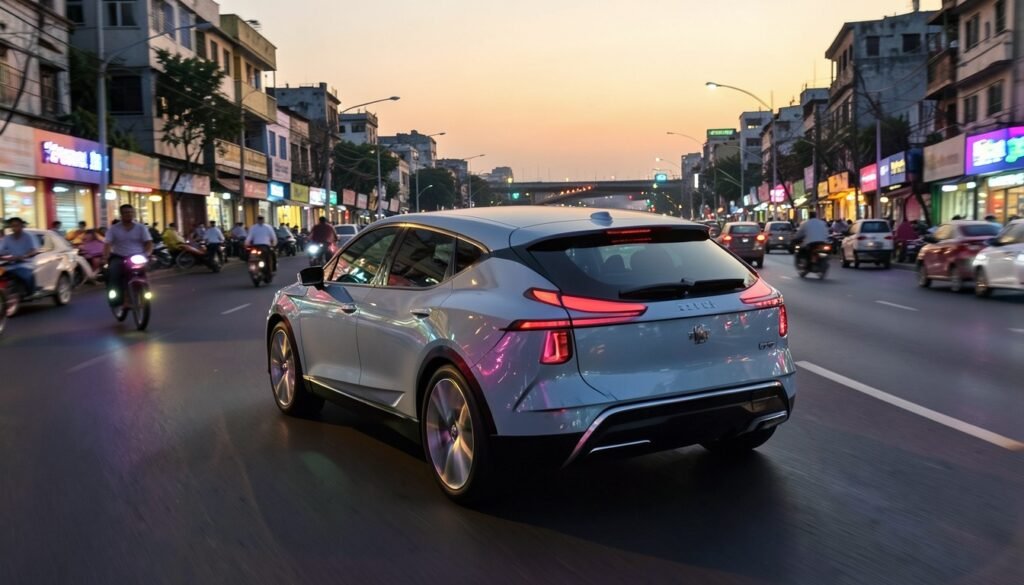
Have you spotted a camouflaged SUV prowling Indian roads lately? That’s likely the Honda 0 Alpha, the company’s first major play for the electric market here. As we’ve seen with tech launches like the Xiaomi Redmi Note 13 Series Lands in India: What You Need to Know, timing is everything. Honda is finally ready to bring a dedicated Honda electric SUV India model to our showrooms, with reports from cartoq.com suggesting a global reveal by December 2026.
I’ve been tracking these developments closely because the mass‑market EV space is currently dominated by players like Tata and Mahindra. In this piece, I’ll cut through the speculation to tell you what we actually know about its boxy design, potential 500 km range, and why this shift matters for your next car purchase. Let’s see if Honda’s late entry can actually pull ahead of the competition.
The buzz: what Honda has hinted at so far
If you’ve been keeping an eye on the auto scene, you know Honda has been uncharacteristically quiet about EVs—until now. Recent reports from outlets like CarLelo suggest that Honda is finally shifting gears to capture the mass market with a dedicated electric SUV, currently referred to as the "0 Alpha."
The buzz is firming up around a strategic launch window between late 2026 and March 2027. Why the rush? Honda seems to be aligning this release with the end of FY26 and the start of FY27, aiming to solidify their footprint in the Indian EV space. While enthusiasts are excited, we need to be realistic: Honda describes this as "expected soon," but they’ve kept the official spec sheet locked away. Beyond the name and the SUV body style, everything from battery capacity to specific range figures remains unconfirmed.
It’s a big shift, especially after seeing them diversify in other segments, like when the Honda XR300L and XR300 Rally Launched: Price, Specs, Rivals made headlines. For now, take the speculation with a grain of salt. We know a prototype is being tested, but until Honda drops the official brochure, we’re just reading tea leaves.
Why Honda is finally going electric in the mass segment
Let’s be honest: Honda has been playing it safe in the Indian EV space for a long time. While the rest of the world looked at global models like the e:Ny1, we were left waiting for something tangible. But the market isn’t waiting anymore. With EV sales surging throughout 2026 and Tata Motors commanding a massive 42% market share, Honda clearly realized that staying on the sidelines was no longer a viable strategy for India.
The biggest hurdle for any legacy brand here is the price tag. Buyers want a reliable electric SUV, but they want it under that magical ₹12 lakh mark. To reach that goal without compromising on build quality, Honda is getting strategic. They’ve inked a deal with Tata Technologies to help streamline development and bring down production costs significantly. It’s a smart move. By localizing the tech and leveraging this partnership, they are aiming to make the Honda Zero Alpha a genuine contender for the mass market. If Honda can nail the pricing while offering the legendary reliability their petrol engines are famous for, they might just shake up the status quo. It’s about time they joined the party.
Expected specs and features – piecing together the clues
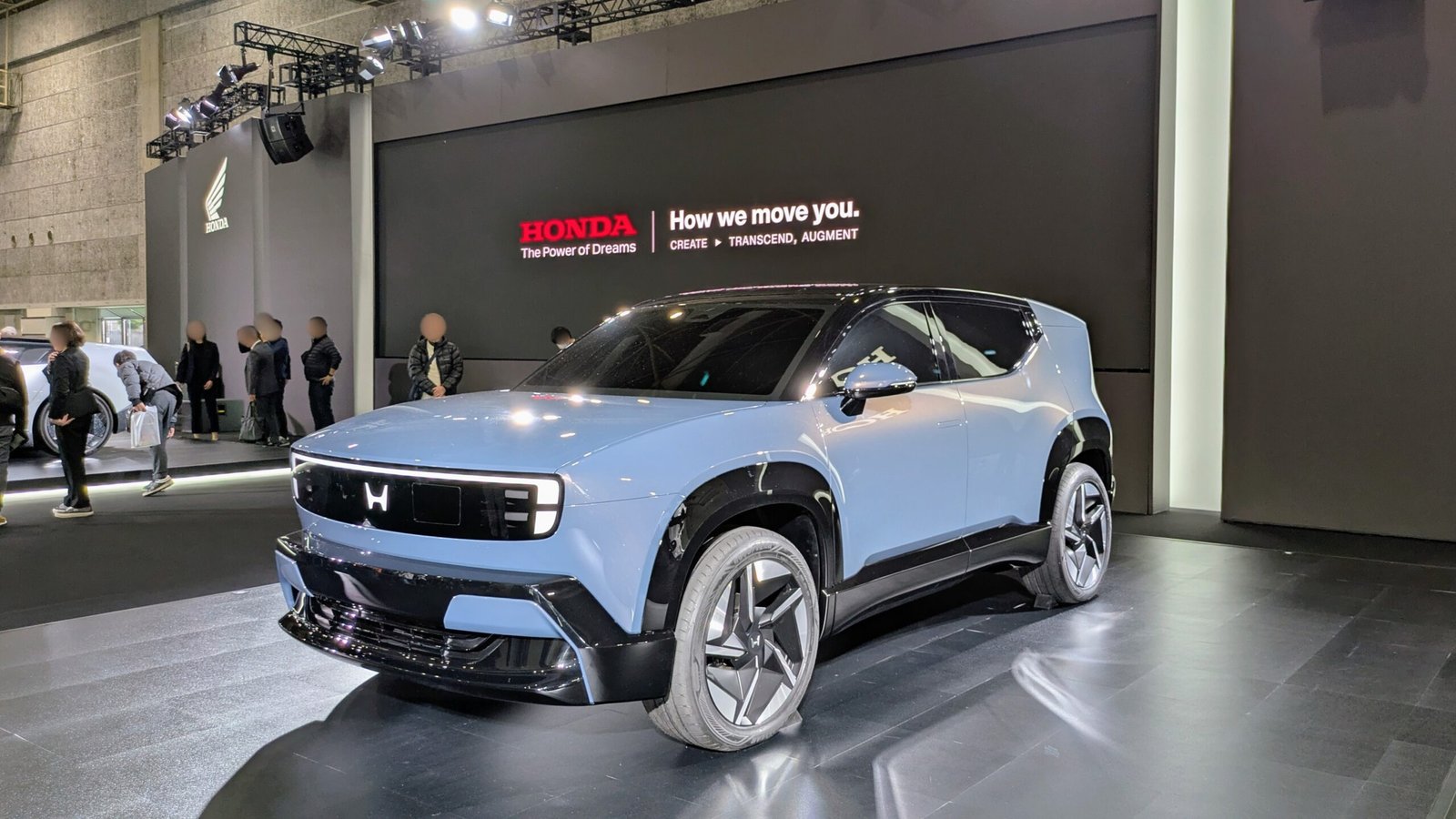
While Honda is keeping technical details tight, we can piece together the puzzle based on how its rivals are playing. The 0 Alpha is expected to house a battery pack between 30 and 40 kWh. That’s standard for this segment and should net you roughly 300 km on a WLTP cycle—perfect for city commutes or weekend highway runs. You’ll definitely get fast-charging, which is non-negotiable for any serious EV today.
On the tech front, expect a 10-inch infotainment unit that feels modern, paired with the MyHonda app for remote monitoring. Honda is big on software, so over-the-air (OTA) updates will likely be part of the package. It is an interesting time for tech in India; while we look at India’s Path to Affordable Humanoid Robots with the New Open‑Source Biped, it’s clear that advanced automation is becoming more accessible, and that extends to car safety too. You can bet on a comprehensive ADAS bundle, likely featuring Adaptive Cruise Control, lane‑keep assist, and a 360-degree camera system. Honda’s safety‑first philosophy usually carries over, so don’t expect them to skimp on the driver‑assistance tech that makes traffic‑heavy Indian roads a little easier to manage.
Price speculation: where will it sit in the Indian market?
Honda has kept the official price tag under wraps, but we can gauge where they might land by looking at the current Indian EV ecosystem. Right now, entry‑level city commuters like the MG Comet and Tata Tiago EV dominate the lower bracket, while models like the Hyundai Kona EV occupy a more premium, albeit aging, space. To truly shake things up, I expect Honda to target the sweet spot between ₹9.5 lakh and ₹11.5 lakh, ex‑showroom, Delhi. This pricing would position the 0 Alpha as a serious contender against popular compact SUVs, as detailed in recent reports from udaipurtimes.com.
Don’t just look at the sticker price, though. The 5% GST on EVs, combined with various state‑level road tax exemptions, will likely keep the final on‑road cost manageable for many middle‑class families. If you are worried about the initial outflow, specialized financing options like the HDFC Flexi Electric Car Loan offer custom repayment terms. These plans are designed to help you manage your monthly cash flow much better than traditional, rigid EMI structures. Waiting for the official 2027 rollout might be tough, but it’s a smart move to see how the government’s subsidy landscape shifts by then.
Direct competitors and how they stack up
When the Honda 0 Alpha finally rolls onto Indian roads, it won’t be entering a vacuum. It faces a market dominated by the Tata Nexon EV, which set the template for the practical, daily‑driver electric SUV. While the MG Comet targets the ultra‑compact city commuter niche, Honda’s offering will likely aim for the sweet spot—mid‑size family versatility.
Here is how the battlefield looks right now:
- Tata Nexon EV: The current benchmark for range and feature integration in the mass segment.
- MG Comet: An entry‑level urban specialist; Honda will almost certainly offer more cabin space and highway capability than this tiny city‑car.
- Hyundai/Kia Rivals: Honda will need to watch out for established players and upcoming launches like the Hyundai HE1i SUV: What Indian Buyers Need to Know Before It Arrives.
Where does Honda win? It isn’t just about battery specs. Honda’s real trump card is brand trust. Indian families have decades of experience with Honda’s build quality and mechanical reliability. If they can replicate that reputation in an electric powertrain, coupled with an extensive service network and the legendary resale value associated with cars like the City, they might just steal the spotlight from newer EV‑only brands. For many buyers, that peace of mind is worth more than a few extra kilometers of range on a spec sheet.
Who should consider buying the Honda EV SUV?
If you have been holding off on your first EV because you want a brand that promises peace of mind, the 0 Alpha is likely the answer. Honda’s legendary reliability is a huge draw for buyers who are understandably wary of the "early adopter" headaches often associated with newer electric brands.
Urban families should also keep a close eye on this one. The focus on maximizing interior space—a signature Honda strength—makes this perfect for city dwellers needing a compact footprint that doesn’t feel cramped. With expectations of a 500km+ range, as reported by cartoq.com, you can manage your daily office commute and the occasional weekend getaway without constantly hunting for public chargers.
Fleet operators are another group that will likely benefit. If the total cost of ownership stays as low as Honda’s current petrol lineup, it becomes a sensible choice for premium taxi services looking to slash their fuel expenses over time.
Pro tip: Don’t wait for the official launch to understand Honda’s design philosophy. Go test‑drive the petrol Elevate facelift now. It will give you a perfect sense of the cabin comfort and ergonomics you can expect in their future electric SUV.
Charging infrastructure and ownership experience in India
If you’re eyeing the 0 Alpha, you’re likely wondering how to keep it powered up. While metro cities like Delhi, Mumbai, and Bengaluru have seen a massive jump in public fast‑chargers, Tier‑2 cities are still playing catch‑up. Don’t expect to find a DC fast‑charger on every corner just yet, but the network is growing noticeably every quarter.
For a daily driver, nothing beats the convenience of a 7kW AC home charger. Expect to shell out roughly ₹30,000 to ₹50,000 for the installation, depending on your home’s electrical setup. It’s a bit like how we’ve become obsessed with rapid mobile charging, similar to the tech discussed in the OnePlus Nord CE4 Launches in India: Faster Charging and Sleek Design—efficiency is everything for the modern user.
Honda hasn’t detailed its official charging partner network yet, but they’ll almost certainly tie up with existing providers to ensure you aren’t left stranded. Until then, make friends with apps like PlugShare. It’s the most reliable way to scout working chargers nearby. Always check user reviews for real‑time status updates, as a broken charger is worse than no charger at all.
Potential launch timeline and how to stay updated
If you’re eyeing this SUV, mark your calendar for December 2026. That’s when we expect the official unveil of the Honda Zero Alpha production model. According to reports from indiacarnews.com, the company is gearing up for a major push by the end of 2026. Following the reveal, you can anticipate pre‑bookings opening shortly after, with initial deliveries likely starting by March 2027.
To stay ahead, keep an eye on Honda’s official Indian website. They usually host a "register interest" page where you just need your contact details—name, mobile number, and email—to get timely updates. You don’t need documents to register your interest, but keep your Aadhar and PAN cards handy for the actual booking process later.
What should you look out for?
- Price Announcements: Keep tracking the ex‑showroom price reveals, especially as competitors react.
- Government Subsidies: Watch for any new EV incentives or state‑level road tax waivers that could drop your final on‑road cost.
- Early‑Bird Offers: Honda often bundles extended warranties or charging installation support for the first batch of buyers.
Don’t rush into a booking; wait for the official specs to drop so you know exactly what you’re paying for.
Watch: Inside the New Honda 0 Alpha
Frequently Asked Questions
When will Honda launch its first mass‑market electric SUV in India?
Honda is looking at a staggered arrival for its first electric SUV, the Zero Alpha. While we expect the production version to be unveiled in December 2026, the actual market launch in India is slated for early 2027, possibly around March. Keep an eye out for official announcements from the brand as we get closer to the end of next year.
What is the expected price of the Honda Zero Alpha EV SUV?
Honda hasn’t shared any official pricing yet, so everything you hear right now is just speculation. Given that it aims to be a mass‑market player, it will likely target the mid‑size SUV segment. I’d expect it to compete with existing EVs in the ₹15 lakh to ₹20 lakh range, but we’ll have to wait for the official reveal for confirmation.
How does the Honda EV SUV compare to the Tata Nexon EV?
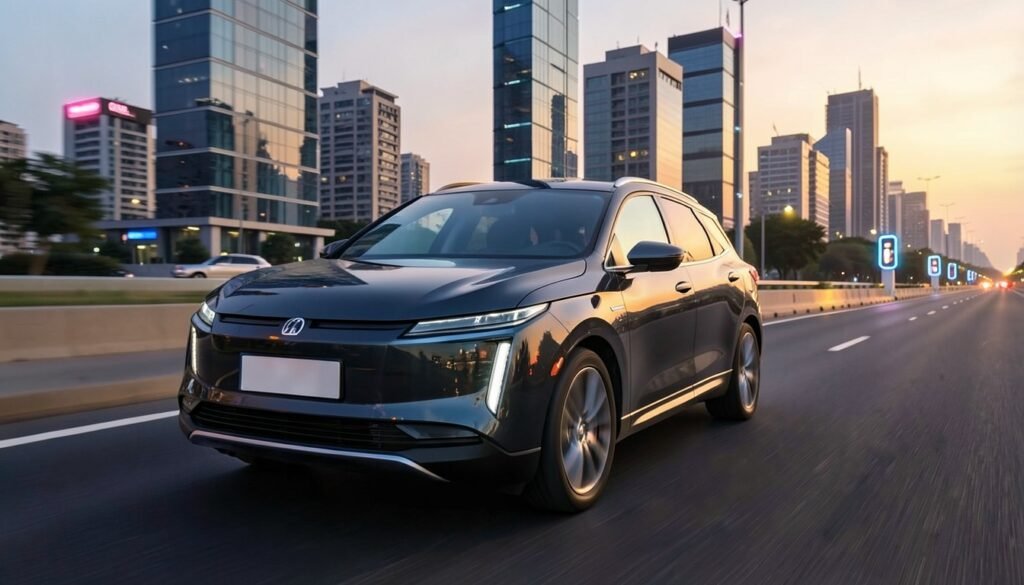
The Zero Alpha features a unique, straight‑profile design with a display‑like front fascia that sets it apart from traditional petrol SUVs. While the Nexon EV has established itself as the go‑to compact electric SUV, Honda is focusing on cabin space and practicality. Until we get full specs, it’s hard to say exactly how they’ll match up on range or performance.
Will there be government subsidies for the new Honda electric SUV?
Whether you get a subsidy depends on the government policies in effect by 2027. Currently, federal and state‑level incentives for EVs vary, but there is no specific confirmation regarding the Zero Alpha. I suggest checking the latest FAME‑linked updates or state‑specific road tax exemptions closer to the launch date to see if this model will qualify for any financial benefits.
Should You Wait for the Honda 0 Alpha?
If you’re currently eyeing a new mid‑size SUV, the 0 Alpha is definitely worth keeping on your radar—but don’t ditch your current plans just yet. Honda’s reputation for long‑term reliability in India is legendary, and if they nail the pricing, it could genuinely challenge the current EV leaders. However, with a 2027 launch window, patience is your best friend.
Think of it like choosing your next premium gadget; just as you’d check the Vivo V80 India Review: Is the 7200 mAh Zeiss Flagship Worth ₹62,999? before committing to a high‑end phone, you should wait for official range and real‑world charging stats before putting down a booking amount. If you need a car today, don’t wait. But if you’re happy with your current ride for another year or so, holding off might get you into a much more efficient, tech‑forward Honda. My advice? Keep an eye on the official unveil in late 2026.
Sources and further reading
- Exclusive! Honda Zero Alpha Electric SUV Ready For December 2026 Unveil — cartoq.com
- Honda 0 Alpha EV: India Launch, Expected Price, Range and Key Details — udaipurtimes.com
- 2 Big SUVs Coming By End of 2026 – Honda’s 1st EV, Renault’s 1st Hybrid — indiacarnews.com
Discussion