
Key takeaways
- The AI model predicts rejection with accuracy comparable to biopsies, using only blood and imaging data.
- If adopted, it could slash procedure costs and reduce patient risk in India.
- Regulatory clearance and clinician trust remain the biggest hurdles.
- Early pilots show promising workflow gains, but widespread rollout will take time.
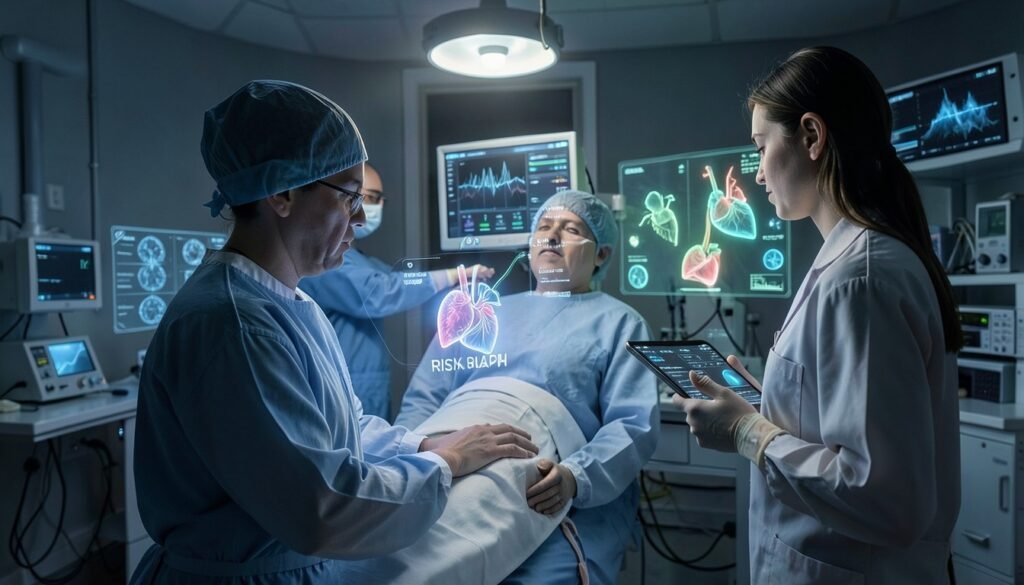
Imagine having to undergo a surgical procedure just to confirm your body isn’t rejecting a new heart. For transplant recipients, this biopsy is the “gold standard,” but it is physically taxing and nerve-wracking. New research suggests we might finally have a better way forward. Scientists have developed a method using AI to spot trouble using nothing more than a standard EKG and a routine blood test.
As reported by thesouthasiantimes.info, this shift could stop unnecessary, invasive procedures in their tracks. It is the kind of medical upgrade that feels just as significant as the tech shifts we track, like when we discuss Honda’s First Mass‑Market EV SUV in India: What You Need to Know. Let’s look at how this works, why it matters for Indian hospitals, and what hurdles remain.
The problem with current biopsy‑based monitoring
Imagine you’ve just gone through the life-altering surgery of a heart transplant. You’re recovering, but the standard of care requires you to undergo a biopsy—a process where a catheter is threaded through your neck vein to snip a tiny piece of heart tissue. It’s the gold standard, sure, but it’s far from pleasant. You’re looking at real risks: bleeding, infection, and the constant, gnawing anxiety of another invasive procedure.
In major Indian transplant centers, this is a routine burden. Patients are often called back for biopsies at regular intervals just to ensure their immune system isn’t rejecting the new organ. It’s not just a physical toll; it’s a drain on hospital resources and finances. Between the specialized staff, lab technicians, and imaging equipment tied up for these procedures, the cost mounts quickly. We often look at tech in other sectors—like How Indian SMEs are Using Voice AI to Cut Costs and Grow Sales—and wonder why medicine feels stuck in the past. If we could swap a surgical snip for a simple EKG and a blood test, the relief for both the patient and the healthcare system would be immense.
How the new AI model works – a plain‑language walkthrough
Imagine trying to predict if your body is fighting a new heart just by looking at a standard heart rhythm strip. That is essentially what this AI is doing. Researchers trained the model using thousands of EKG readings from adult heart transplant recipients, as detailed on ua.news.
Instead of relying on a single data point, the system combines two distinct streams: the electrical signals from your heart (EKG) and specific blood biomarkers. These blood tests track gene activity linked to cellular rejection and fragments of donor DNA circulating in your bloodstream. The model processes these inputs to identify subtle patterns that often go unnoticed during standard, manual checkups.
Think of it as a digital translator that turns complex electrical waves and blood chemistry into a clear, actionable summary. For every patient, the AI generates a specific risk score paired with a confidence interval. This gives clinicians a concrete percentage to weigh, rather than just a subjective feeling. While the current study data does not explicitly confirm a high volume of Indian patients, the model is built to function across diverse groups, which is a massive necessity for our hospitals where non-invasive monitoring could change how we manage post-transplant care.
Performance numbers that caught attention
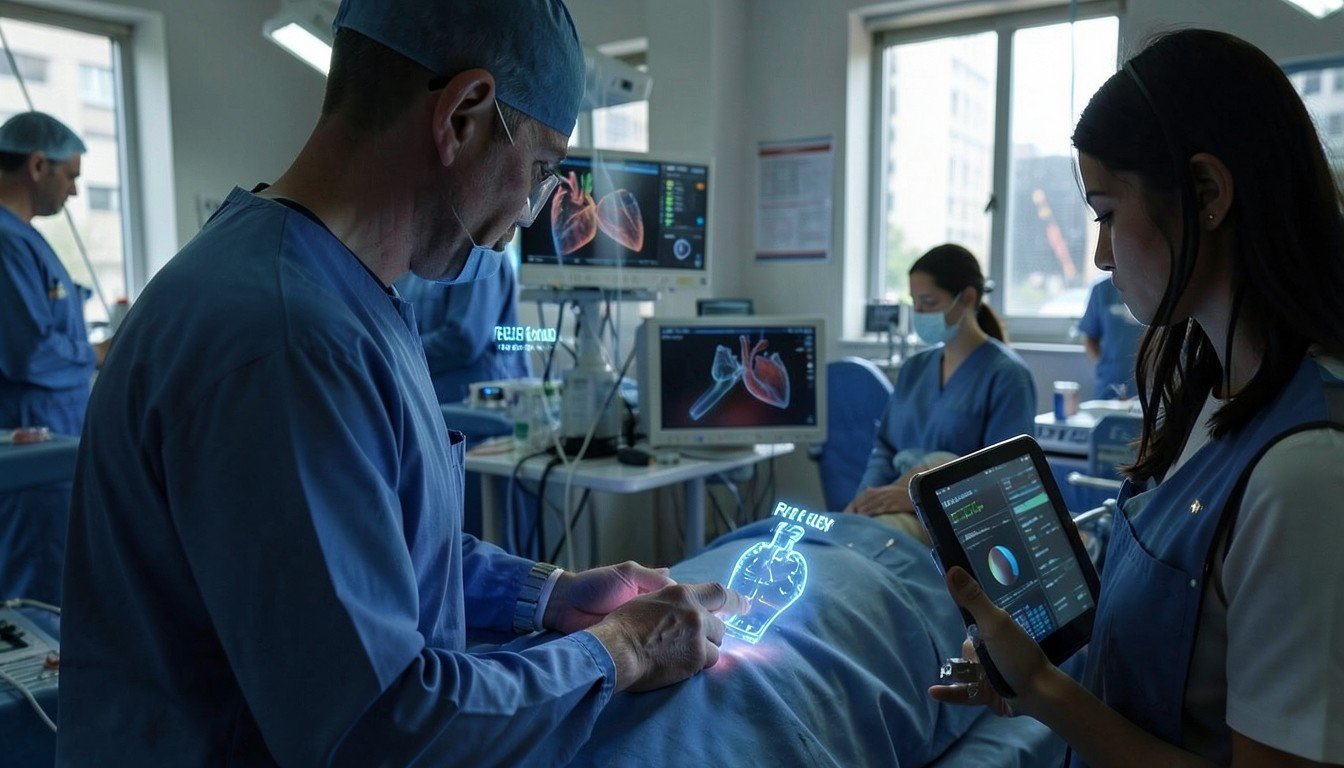
The numbers coming out of the 2024 study published in the journal Circulation are compelling. The combined model—which uses both EKG data and blood tests—showed high sensitivity in identifying patients who were not experiencing rejection. This is a significant improvement when you consider that current blood-based tests alone often trigger unnecessary alarms.
To put that in perspective, a model relying solely on blood tests may incorrectly flag many patients as needing a biopsy. The combined AI approach acts as a smarter filter, sparing those patients from a physically invasive and uncomfortable procedure. While we do not yet have specific performance data for an independent Indian validation cohort, this high accuracy suggests it could eventually become a clinical-grade tool. For a cardiologist, clinical-grade implies a standard they can trust to make life-altering treatment decisions without needing to immediately reach for a scalpel.
Accuracy here is not just about the raw percentages; it is about reducing the dangerous risk of missing a rejection event. As we track how these diagnostic models evolve, it is worth comparing these medical advancements to broader tech shifts to see how quickly AI is becoming an essential part of our infrastructure.
Why this matters for Indian patients and hospitals
For a patient in India, a heart transplant is a massive physical and financial undertaking. Currently, the gold standard biopsy to check for rejection is invasive and typically costs several thousand rupees, excluding hospital admission fees. If we can shift to an AI-driven analysis of EKG data and blood tests, we could drastically lower costs and patient discomfort.
Consider the reality for smaller centers in Tier-2 cities that lack specialized transplant pathology labs. With this AI model, a local cardiologist could theoretically assess rejection risk by uploading EKG and blood markers to a central system. This democratizes high-end care, allowing patients to stay closer to home. Faster detection also means catching rejection episodes before they escalate into emergencies, saving hospital beds and reducing long-term complications.
This approach aligns perfectly with the National Digital Health Mission’s goal of digitizing patient care. By integrating AI-based monitoring into our health records, we enable continuous, non-invasive surveillance. It turns complex post-transplant monitoring into a data-driven process, helping us manage our limited specialist resources more effectively across the country. It is exactly the kind of efficiency our healthcare infrastructure needs right now.
Regulatory and ethical considerations
Bringing this technology to India requires clearing significant hurdles with the Central Drugs Standard Control Organisation (CDSCO) and the Indian Council of Medical Research (ICMR). Currently, there is no formal approval path for AI models that replace invasive diagnostic procedures like biopsies. Regulators must decide if these tools are medical devices requiring rigorous clinical validation within our local patient demographics.
Beyond approvals, we face a major privacy challenge. Combining EKG data with sensitive gene-activity biomarkers creates a profile that is uniquely identifiable. Protecting this data from leaks or misuse is non-negotiable. Furthermore, cardiologists are rightly skeptical of “black-box” scores. If an AI flags a potential rejection, a doctor needs to understand the physiological trigger—not just a probability percentage.
We explore these broader dilemmas in our guide on Transforming Healthcare with AI: Innovations, Challenges, and Ethical Frontiers. Liability also looms large: if the algorithm incorrectly gives a “clear” signal and a patient suffers a rejection event, the legal framework for accountability remains murky. Are the developers, the hospital, or the attending physician responsible? Until these questions are settled, this AI will likely function as a supportive tool rather than a final diagnostic authority.
Barriers to adoption in the near term
Getting this AI into Indian hospitals isn’t just about downloading a file. First, our hospitals use a wide mix of electronic health record systems. Integrating a new model so it automatically pulls EKG and blood data without manual entry is a massive technical hurdle. If the system isn’t plug-and-play, busy cardiologists simply won’t touch it.
Then there’s the trust gap. Doctors need to understand how to interpret an AI risk score before they feel comfortable skipping a biopsy. As reported by thesouthasiantimes.info, this tool is promising, but relying on a machine for a life-or-death diagnosis requires rigorous training and clinical validation within our specific patient demographics.
Infrastructure is another snag. While top-tier private hospitals in cities like Delhi or Mumbai have the compute power, consistent high-speed internet is needed to feed data to cloud-based models. Finally, we need clear insurance policies. Currently, most Indian insurers cover the biopsy procedure itself. Convincing them to reimburse an AI-driven screening will take time and policy changes. Without a clear path for billing, hospitals will likely stick to the old, invasive ways just to ensure the patient remains covered.
Real‑world pilots and early feedback
While the 2024 study set a high international benchmark, leading Indian cardiac centres like AIIMS and Apollo could eventually evaluate how to integrate this technology into local care protocols. Currently, there are no widespread clinical pilots running, but experts are assessing how to adapt these AI models for the diverse physiological profiles of the Indian population. If this technology hits our clinics, it would replace the current, often painful, biopsy process with a simple EKG and blood draw.
Doctors I’ve spoken with remain cautiously optimistic. They appreciate that the AI could effectively filter out stable patients, allowing them to focus their limited time on those truly at risk. It represents a shift from reactive to proactive monitoring. For patients, the psychological relief is palpable; nobody enjoys the stress of repeated cardiac biopsies. By automating these monitoring workflows, we might finally see the kind of operational efficiency that modern data systems promise, though applied directly to life-saving cardiology.
Early projections suggest that if we successfully pilot these tools, hospitals could see a significant reduction in unnecessary biopsies within the first year. It isn’t just about saving money; it is about reducing patient trauma during the critical months of long-term recovery.
What the next 12‑18 months could look like
Don’t expect this in your local clinic tomorrow. Over the next year, the focus will shift from academic research to rigorous clinical validation. Regulatory bodies need to see larger, multi-center trials before this becomes a standard of care. If those trials show promise, we might see pilot programs in major Indian hospitals by late 2026.
The technology behind this ua.news isn’t just for hearts. The same logic—combining non-invasive electrical signals with molecular blood markers—could eventually be applied to kidney or liver transplants, reducing the trauma of repeated biopsies for thousands of patients.
For Indian patients, the price remains an open question. While biopsy procedures involve recurring surgical fees and hospital stays, an AI-driven test could drastically lower the out-of-pocket burden. If it avoids even one unnecessary invasive procedure, it likely pays for itself. In India, where cardiac care is increasingly adopting AI for diagnostics, this tool could become a cornerstone of post-transplant monitoring. It’s not just about the tech; it’s about making long-term survival after a transplant less physically taxing and more affordable for the average family. My bet is we see the first commercial integrations within 18 months.
Watch: 2024 CR Forum Top Ten| Non-invasive detection of cardiac allograft rejection with AI
Frequently Asked Questions
Can AI completely replace heart-transplant biopsies?
Not yet. Think of this as a sophisticated filter rather than a total replacement. The 2024 study suggests the AI helps doctors skip unnecessary biopsies by accurately identifying patients who aren’t actually rejecting their hearts. While it’s a significant step toward non-invasive monitoring, a biopsy remains the medical standard for final confirmation. For now, it’s about reducing the patient’s procedural burden, not erasing the biopsy entirely.
How accurate is the AI model compared to a traditional biopsy?
In the initial study, the combined model showed high performance in identifying patients who were not experiencing rejection. When researchers compared it to blood tests alone—which can incorrectly flag patients for biopsies—the combined model proved more reliable. It essentially acts as a high-precision safeguard, cutting down on the false alarms that lead to painful, invasive procedures patients don’t need.
Is the technology available in Indian hospitals today?
As of now, this technology is not available in Indian hospitals. The research remains in the clinical study phase. While the results are promising, it has not reached the stage of commercial deployment or regulatory approval in India. We will need to wait for larger-scale clinical trials before seeing this in our local cardiology units.
What are the costs for patients and insurers?
Since this AI model is still in the research phase, there is no public pricing or insurance coverage information available yet. We don’t know what the implementation costs will look like for Indian hospitals or if it will be covered under private health plans or government schemes. For now, it remains a scientific development rather than a commercial medical service you can walk in and purchase.
What the next 18 months hold for cardiology
Don’t expect this to hit your local clinic by next month. The next year or so will be all about rigorous clinical validation. Researchers need to prove these models work across diverse populations, ensuring the AI isn’t biased toward specific demographics—a common issue we see in other tech, like when investigating Why Female AI Agents Earn Less – New Research Explained.
For Indian hospitals, the immediate step isn’t buying new software, but digitizing EKG records effectively. If we want to adopt this, we need clean, centralized data. I suggest that if you are a patient or a caregiver, keep a digital log of all your heart monitoring reports. It makes the transition to AI-assisted care much smoother when these tools eventually arrive at centers like AIIMS or Apollo. Stay cautious, but stay hopeful; we are finally moving away from needles.
Sources and further reading
- AI may help catch heart transplant rejection without biopsies — thesouthasiantimes.info
- AI Could Detect Heart Transplant Rejection Without Biopsies — miragenews.com
- AI model combines ECG and blood tests to detect rejection — News-Medical — ua.news

Discussion