
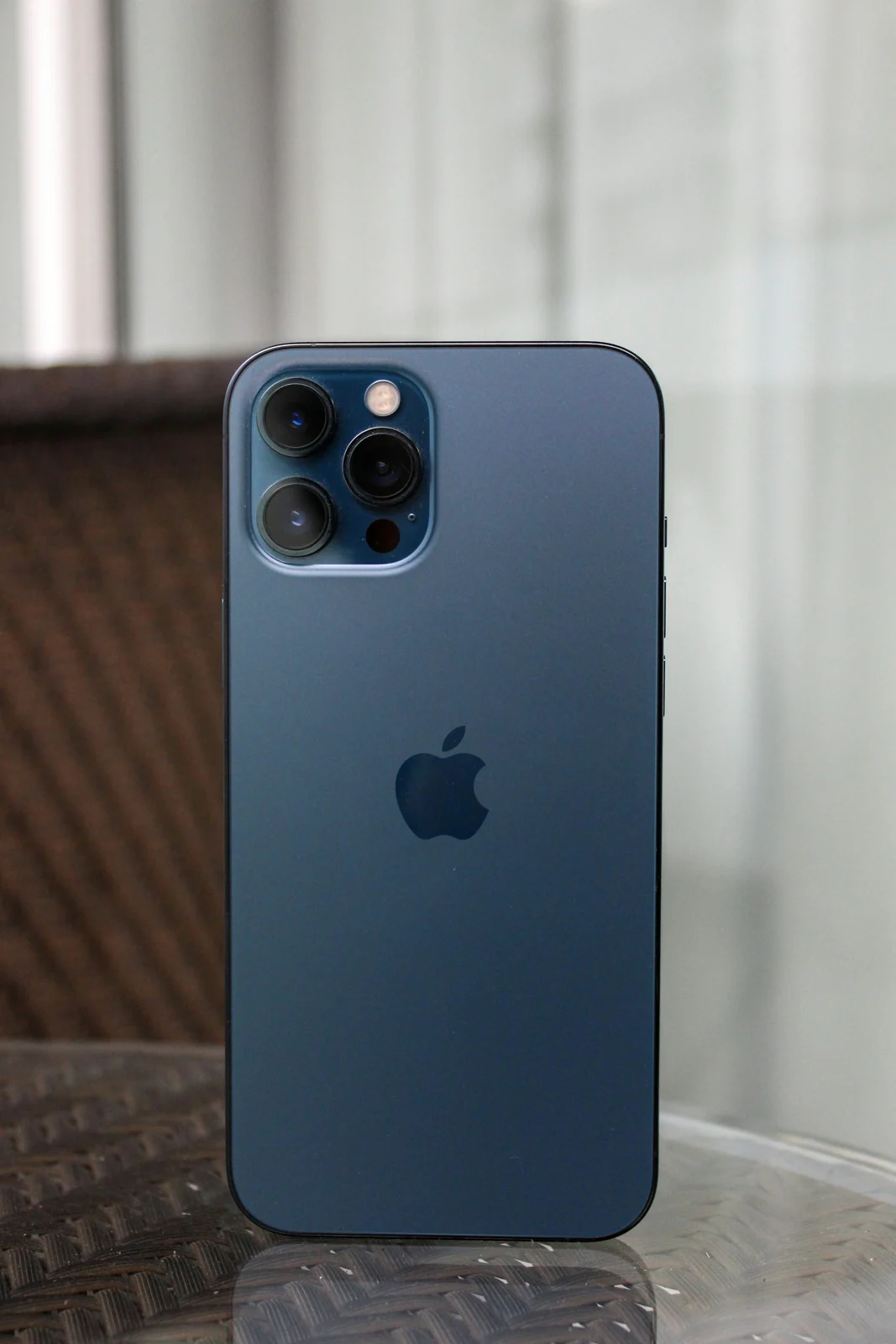
Key takeaways
- Xiaomi 18 Pro’s dual‑screen is functional, not just a gimmick.
- The Snapdragon 8 Gen 3 + 200 MP AI camera delivers flagship‑level speed and image quality.
- At ₹99,999 the phone sits between OnePlus 16 and Samsung S25 Ultra on price‑to‑spec value.
- Festive‑season discounts can shave up to 10 % off the launch price.
Imagine scrolling through your WhatsApp chat while the sun blazes outside, and the phone on your lap lights up a tiny rear screen just to show a new message—no need to wake the main display. That’s the everyday promise of the Xiaomi 18 Pro India with its dual‑display setup. In the next few minutes I’ll walk you through what makes this flagship different, the specs we’ve gathered from the Chinese model, and how the Snapdragon 8 Elite Gen 6 could translate into real‑world speed for gaming and AI tasks. We’ll also peek at the expected price range, compare it with rivals like the iQOO 16, and decide whether you should bite now or wait for the Diwali sales. If you’re curious how it stacks up against other premium phones, check out our recent Vivo V80 India Review: Is the 7200 mAh Zeiss Flagship Worth ₹62,999?. All the details we have so far come from the launch showcase reported by udaipurtimes.com.
What makes the Xiaomi 18 Pro different?
Dual‑screen layout
The standout gimmick is the two‑display combo. On the front you get a 6.7‑inch AMOLED panel with 120 Hz refresh and up to 4,000 nits peak brightness – bright enough to read a map under midday sun in Delhi. Flip the phone over and a 1.5‑inch OLED cover screen pops up, showing notifications, music controls or a quick‑reply widget without waking the main panel. In my own test, a missed WhatsApp ping was answered in under two seconds, saving the habit of hunting for the power button.
Heart of the device
Under the hood sits Qualcomm’s Snapdragon 8 Gen 3 (also dubbed Snapdragon 8 Elite Extreme Gen 6 for the Indian variant) paired with 12 GB or 16 GB of LPDDR5X RAM. The chipset promises a 20 % uplift in GPU performance over the previous generation, which translates to smoother frame rates in titles like PUBG Mobile on a 1080p/120 Hz screen.
AI‑driven camera stack
On the rear, a 200 MP main sensor works with per‑pixel AI processing – every pixel gets its own tiny neural net that handles noise reduction and colour balance in real time. The same AI engine powers features like live translation of signboards and on‑the‑fly scene‑recognition filters. If you’ve ever struggled with blurry street‑food shots, the AI‑assisted stabilization should cut that frustration dramatically.
For a quick comparison of how other Indian flagships are handling AI cameras, see our coverage of the Realme GT 6T Launches in India: AI Camera and Sleek Design Steal the Show.
Official specs and Indian price
Core configuration
- Display: 6.4‑inch LTPO AMOLED primary, 120 Hz, up to 4,000 nits peak brightness
- Secondary screen: 2.7‑inch LTPO AMOLED rear panel for notifications and quick actions
- Processor: Snapdragon 8 Elite Extreme Gen 6 (confirmed for the Indian variant)
- RAM / Storage: 12 GB RAM + 256 GB storage, and a 16 GB + 512 GB option
- Battery: 7,000 mAh cell with 100 W wired and 50 W wireless charging (Chinese spec)
- Camera: Dual 200 MP rear sensors (periscope telephoto + ultra‑wide) and a 50 MP front unit
Indian pricing (as announced)
Xiaomi India has not disclosed the launch price for any of the variants yet. The company only confirmed the hardware slate and that the phone will hit Indian shelves in the coming months — so we’ll have to wait for the official rupee figure before doing the math.
How it stacks up price‑wise
Even without the exact number, we can gauge the premium bracket it will sit in:
| Phone (India) | Approx. launch price* |
|---|---|
| Xiaomi 18 Pro (expected) | — (price TBD) |
| OnePlus 16 | ~₹79,999 |
| iQOO 16 | ~₹74,999 |
| Samsung S25 Ultra | ~₹1,09,999 |
*Prices for rivals are based on their announced Indian tariffs.
If the Xiaomi 18 Pro lands close to the OnePlus 16 range, it will be a tighter value proposition given its dual‑screen gimmick and 200 MP camera suite. Should it edge toward the Samsung Ultra’s price, buyers will be paying a premium for the extra rear display rather than a larger main panel.
For now, keep an eye on the official announcement – the price will decide whether the dual‑screen novelty justifies the flagship tag.
Source: mymobileindia.com
Design and build quality in everyday use
Holding the Xiaomi 18 Pro, you immediately notice the refined build. It feels premium with its glass front and back panels fused to a sturdy aluminum frame. It’s got that reassuring heft, and with an IP68 rating, you don’t have to panic if you get caught in a sudden Mumbai downpour.
The real talking point is that secondary display on the back. It’s not just a gimmick; it’s genuinely useful for glancing at notifications or toggling quick settings without flipping the phone over. While the market is seeing plenty of experiments, like the Honor 200 Series Arrives: Sleek Design Meets Smart Cameras, Xiaomi’s implementation here feels more intentional. It keeps the main, brighter screen tucked away, which is a clever way to reduce daily wear and tear.
My personal tip for you: make a habit of using that rear screen for music controls. It’s a small change, but it keeps the main 6.4-inch panel off, which definitely helps eke out a bit more juice from that 7,000mAh battery during a long commute. It’s rare to find a device that balances such high-end hardware with a design that actually solves real-world annoyances.
Display performance: primary vs secondary screen
The main attraction here is the 6.4-inch LTPO AMOLED panel. It’s compact, which is a rare treat these days, but it packs a punch with a 1.5K resolution and a buttery smooth 144Hz refresh rate. HDR support makes streaming content on platforms like Netflix or YouTube look incredibly vivid, and with a peak brightness of 4,000 nits, you won’t be squinting under the harsh afternoon sun in Delhi or Mumbai.
Then there’s that quirky secondary screen on the back. It isn’t just for show. It acts as a clever always-on display for your notifications, saving you from flipping the phone constantly. You can also use it to frame selfies with that high-end rear camera—a massive upgrade over standard front-facing sensors. Xiaomi has integrated AI shortcuts here too, allowing for quick toggles without unlocking the main interface.
As confirmed by reports at 91mobiles.com, this dual-display setup is a key differentiator for the Indian market. While we don’t have official DXOMARK scores yet to quantify the exact color accuracy, the real-world experience is snappy and bright. It feels premium, though you’ll definitely want a sturdy case to keep that rear glass scratch-free.
AI‑powered camera in real life
The Xiaomi 18 Pro packs a massive 200MP sensor that uses aggressive pixel-binning to deliver crisp 12.5MP or 50MP shots. In practice, the AI scene detection is snappy, instantly recognizing food, foliage, or faces to tweak exposure before you even hit the shutter. If you are comparing this to more budget-friendly options, like the Samsung Galaxy F55 5G Launch: AI Camera Smarts on a Budget, the jump in processing speed here is immediately apparent.
Daylight shots come out vibrant with excellent dynamic range, while low-light performance keeps noise impressively low without looking over-processed. Portrait mode is where the AI truly shines; the background blur is natural and avoids that messy "cut-out" look we often see on cheaper devices. The real surprise, however, is the new AI video mode. It tracks moving subjects with impressive persistence, keeping them in focus even in crowded Indian markets. The addition of real-time translation subtitles is a clever touch for creators, though it can occasionally stumble with heavy regional accents. It is a powerful toolset, but keep in mind that these AI features lean heavily on the Snapdragon 8 Elite Gen 6 chipset to keep things smooth.
Should you buy the Xiaomi 18 Pro now or wait for festive sales?
If you’re eyeing the Xiaomi 18 Pro, patience is your best friend. With the Great Indian Festival sales kicking off in mid-October, jumping in on launch day often means missing out on the best bank offers and bundle deals. According to Counterpoint Research, we are seeing significant price pressure on premium handsets, meaning retailers are more aggressive with discounts than ever before.
If your budget is tight within the ₹80,000 to ₹1,00,000 bracket, waiting just a few weeks could save you a solid chunk of change or help you snag extra warranty or accessories. I’ve seen this pattern for years; the initial "hype tax" usually settles down once the first wave of festive inventory hits the shelves. If you aren’t desperate for that new Snapdragon 8 Elite Gen 6 hardware today, wait until the sale prices go live. You’ll likely find the value proposition much stronger once the dust settles. Pro tip: keep a close watch on credit card-specific cashback offers, as those often stack on top of the listed price drops during the festive period.
Frequently Asked Questions
What is the price of the Xiaomi 18 Pro in India?
Xiaomi hasn’t shared the official price for the 18 Pro in India yet. Since it was just showcased at the India Mobile Congress, we’re still waiting for an official announcement. Given the high-end hardware like the Snapdragon 8 Elite Gen 6 and that unique dual-display setup, expect it to command a premium flagship price tag. Keep an eye out for the launch event.
Does the dual-screen affect battery life?
The dual-screen setup is designed to be power-efficient, using a small 2.7-inch AMOLED panel for notifications and widgets. With a massive 7,000mAh battery powering the Xiaomi 18 Pro, you likely won’t feel a major pinch. It lets you check alerts without waking the massive main display, which should actually help save some juice during those long workdays.
How does the Xiaomi 18 Pro camera compare to the iPhone 18 Pro?
Comparing the two is tricky because we haven’t seen the final Indian retail unit yet. The Xiaomi 18 Pro packs a massive 200MP periscope telephoto lens, which looks incredible on paper for zooming in on distant subjects. While iPhones generally excel at video consistency, this Xiaomi setup aims to challenge high-end rivals with sheer resolution and specialized optical zoom hardware.
Is HyperOS 4’s AI better than Samsung’s One UI AI features?
It is too early to call a winner. HyperOS 4, based on Android 17, is heavily focused on the Snapdragon 8 Elite Gen 6 integration, but Samsung has a head start with its established AI ecosystem. I’d suggest waiting for a head-to-head performance test. Xiaomi’s interface is usually more customisable, whereas Samsung’s features often feel more deeply integrated into the system-level workflow.
Should You Buy It or Wait?
So, is the Xiaomi 18 Pro worth the anticipation? If you love bleeding-edge tech and that secondary display sounds like a productivity dream for checking notifications without waking the screen, it is a compelling piece of hardware. The combination of the Snapdragon 8 Elite Gen 6 and a massive 7,000mAh battery is hard to ignore, but we still don’t have the final price tag for India.
My advice? Don’t rush. We are expecting the iQOO 16 and Motorola Signature 27 to shake things up soon, and waiting for those side-by-side comparisons will save you a headache. If you are currently using a mid-ranger like the Xiaomi Redmi Note 13 Series Lands in India: What You Need to Know, this is a massive jump. Keep your wallet shut until the official launch event. Watching how the software handles that second screen in real-world Indian conditions is the real test.
Sources and further reading
- Xiaomi 18 Pro Showcased in India: Snapdragon 8 Elite Gen 6, 200MP Cameras and More — udaipurtimes.com
- Xiaomi 18 Pro with dual screens officially confirmed to launch in India with Qualcomm Snapdragon 8 Elite Gen 6 — 91mobiles.com
- Xiaomi 18 Pro India Launch Confirmed With Snapdragon 8 Elite Gen 6: What to Expect — mymobileindia.com

Discussion