Key takeaways
- Marketplace volume is not a guarantee of long-term platform stability.
- Centralized platforms often hold your assets in their name, not yours.
- Self-custody is the only way to ensure you maintain control over your digital assets.
- Always maintain a record of your transactions for Indian tax compliance.
When the marketplace that once dominated Ethereum NFTs sees its trading volumes crater by 99%, it isn’t just a market dip—it’s a wake-up call. The recent announcement that Blur is shutting down should force every one of us to rethink our digital asset safety. We often treat these platforms like bank vaults, but history shows they are more like temporary storefronts that can vanish overnight, leaving your keys—and your assets—in limbo.
If you are still keeping your tokens or NFTs sitting on a marketplace, you are taking a risk that simply isn’t worth the convenience. As experts like Joseph Massey have noted on financialexpress.com, understanding your wallet security is non-negotiable. For a practical primer, check out our guide on the $70 Million Hardware Wallet Hack: How to Keep Your Crypto Safe in India. Let’s talk about how to take control before the next platform pulls the plug.
The Blur Shutdown: A Warning for NFT Holders
If you were holding NFTs on Blur, the news of its closure probably hits harder than a coffee-less Monday morning. Once the titan of Ethereum NFT marketplaces, Blur has officially decided to pull the plug after a staggering 99% collapse in trading volume. It is a sobering reminder that even the biggest players in this space are not immune to market gravity.
When a platform shutters, your digital assets are not just sitting there waiting for you. If those assets were locked in a custodial wallet managed by the marketplace, your access is suddenly in jeopardy. You are not just losing a website; you are losing the infrastructure that connects you to your investments. This shift is as disruptive as India’s AI Job Shock: 197 Million Workers at Risk, proving that relying on centralized intermediaries for long-term storage is a dangerous game.
The platform-user relationship is purely functional, not permanent. When the tech goes dark, the ownership proof you thought you had can become a massive headache to recover.
Quick tip: Before you do anything else, check where your NFTs actually live. Are they in a wallet where you hold the private keys, or are they sitting in an account on a third-party marketplace? If you do not have the keys, you do not truly own the asset. Move them to a cold or hot wallet you control immediately.
The Myth of ‘Too Big to Fail’ in Crypto
You’ve likely seen it: a platform boasts massive trading volume, and you feel safe parking your assets there. It’s a dangerous trap. Blur was once the largest Ethereum NFT marketplace, but after volumes collapsed by 99%, it chose to shut down. If the industry leader can vanish, your exchange isn’t immune.
High volume is not a proxy for stability. We’ve seen this script play out with exchanges that were once "too big to fail" only to leave users stranded during liquidity crunches. When the market turns sour, platforms pivot to survival mode. They cut costs, freeze withdrawals, or shut down entirely, leaving you with little recourse. While figures like Rep. Bryan Steil are pushing for clearer regulatory frameworks to protect consumers, those protections don’t exist yet for most users.
Relying on a platform to act as a permanent vault is a gamble. As an investor, you must remember the oldest rule: if you don’t hold your private keys, you don’t own the asset. The platform owns the database entry; you just own a promise. When the server goes dark, that promise evaporates. Don’t mistake a sleek interface for a secure fortress; it is just code that can be switched off at a moment’s notice.
Understanding Platform Risk vs. Protocol Risk
The distinction is vital. When Blur announced it was shuttering because trading volumes plummeted by 99%, that was a classic platform failure. The marketplace you used to show off your digital assets simply pulled the plug. The blockchain didn’t go anywhere, but your "front door" to it vanished.
Protocol risk is different; it’s the danger that the underlying smart contract or blockchain code itself contains a flaw. If the contract governing your NFT is broken, that’s a protocol issue. Ethereum itself, however, remains active regardless of which marketplace is currently popular. It’s worth noting that How AI Could Fast‑Track Ethereum Upgrades in India could eventually improve base protocol performance, but that doesn’t shield you from a platform deciding to shut its doors.
If you want to protect your capital, stop relying on centralized gateways to store your digital identity. Shift toward protocols that facilitate direct, decentralized interaction where the marketplace acts only as an optional window, not the permanent warehouse for your assets.
- Platform Risk: The middleman goes bust, servers go offline, or your account access is restricted.
- Protocol Risk: The smart contract or blockchain code itself suffers from a hack or fundamental failure.
Pro tip: If you can’t interact with your NFT without a specific marketplace’s website, you aren’t really the owner—you’re just a guest. Keep your assets on-chain, not on a platform.
Why Your Assets Aren’t Really Yours on Marketplaces
When you buy an NFT on a massive, centralized marketplace, you might think you’re holding the keys. In reality, you’re often just holding a digital IOU. These platforms frequently keep assets in their own omnibus wallets to make trading fast and cheap. It’s convenient for flipping JPEGs, but it means the platform—not you—technically controls the private keys.
Think of it like a bank deposit versus keeping cash in your safe. If the marketplace goes under, your "ownership" is just a database entry that might be impossible to claim. While regulators like the SEC claim they have no intention to gag fintech and digital asset operators, that doesn’t stop a platform from collapsing due to poor management or a 99% volume drop, as we just saw with Blur.
Here is the difference:
- Marketplace Custody: The platform holds the asset. You have a login. If their servers go offline, your access vanishes.
- Self-Custody (MetaMask/Hardware): You hold the private keys. You own the asset directly on the blockchain. Even if every marketplace in India shuts down, your NFT remains safely in your wallet.
My advice? Treat high-value NFTs like gold bullion. The moment you clear a purchase, move it to a cold wallet. Don’t leave your digital life in someone else’s hands—the convenience is never worth the risk of losing your investment entirely.
Practical Steps to Self-Custody Your NFTs
Moving your NFTs off a marketplace like Blur is simpler than you think, but do not rush it. First, connect your non-custodial wallet—like a hardware device or a browser-based one—to the marketplace interface. Go to your collection, hit the "Transfer" or "Send" button, and paste your public wallet address as the destination.
Once the transaction confirms, verify ownership immediately. Paste your wallet address into a block explorer like Etherscan to confirm the asset appears under the "NFTs" or "ERC-721" tab. If you want to know more about the broader risks, read How AI is Changing Bitcoin Security – Risks & Safeguards for Indian Users.
Security and Cost Tips
- Seed Phrase Safety: In India, phishing scams targeting crypto wallets are rising. Never save your 12-word seed phrase on your phone, email, or cloud storage. Keep it offline, ideally on a physical piece of paper stored in a secure location.
- Timing is Everything: Ethereum gas fees swing wildly. Use tools like gas trackers or check Gwei levels before transferring. Try moving assets during off-peak hours—usually early Sunday mornings or late at night IST—to save thousands of rupees in network fees.
Transferring your own assets is the only way to ensure you aren’t left holding nothing if a platform suddenly shuts its doors. Take the hour to do this today; your future self will thank you.
The Indian Context: Tax and Regulatory Implications
If you are an Indian investor, moving your NFTs to a private wallet isn’t just about security—it’s a serious bookkeeping exercise. Under current tax laws, India imposes a flat 30% tax on crypto income. While moving assets between your own wallets usually doesn’t trigger a taxable event, the burden of proof is entirely on you. You must maintain meticulous logs of transaction IDs and timestamps to demonstrate that these transfers aren’t sales.
As Joseph Massey of 3.0 Verse highlighted in financialexpress.com, understanding the functional differences between cold and hot wallets is essential for true asset protection. When you eventually decide to off-ramp your digital assets into INR, stick to Indian-compliant platforms that report to local authorities. Using a regulated exchange for that final step helps you stay on the right side of the law while converting crypto to rupees.
Regulatory uncertainty in India remains a reality. Since we lack a comprehensive, finalized framework, holding your own private keys is more critical than ever. When you rely on a marketplace, you are betting on their longevity. If that platform suddenly shutters or faces legal hurdles, your ability to access your funds might be frozen indefinitely. By holding your own assets, you ensure that even if a platform vanishes, your property remains under your control. Keep your seed phrases offline and your tax documents ready.
What to Do When a Platform Announces Closure
When a platform shouts "we’re closing," your first instinct shouldn’t be to panic-sell or wait for a miracle. It should be to act. Treat your digital assets like physical gold; you wouldn’t leave your valuables in a locker that’s about to be demolished.
Here is your emergency checklist:
- Stop all trading: Every active order is a liability. Cancel them immediately to regain control of your items.
- Move assets out: Transfer your NFTs to a self-custody wallet you control. Do not leave them on the platform for even one extra day.
- Export history: Download your transaction history and tax documents now. You will regret it later if you don’t have these records ready for your ITR filing.
Waiting until the final hour is reckless. Often, as the deadline approaches, platforms face liquidity crunches or technical glitches that freeze withdrawals entirely. You don’t want your assets held hostage by a failing server. Be wary of fake emails promising "migration services" to a new site; scammers love chaos. Stick to the platform’s official announcements or verified social handles. Even as industrial tech improves, like the Atlas Four‑Finger Robot Hand: What It Means for Indian Factories, your personal digital security must remain strictly human-controlled.
Think of your self-custody wallet as your own home safe. If the marketplace goes under, your key stays in your pocket. That’s the only way to truly own what you’ve bought.
Frequently Asked Questions
What happens to my NFTs if a marketplace shuts down?
Your NFT lives on the blockchain, not the marketplace, so it doesn’t vanish. However, if the site shuts down, you lose the front-end interface to list or trade it. If your NFT was held in a custodial account controlled by the platform, you could lose access entirely. Always keep your digital assets in a non-custodial wallet where you hold the keys.
Is it safe to keep my crypto on a centralized exchange?
Think of exchanges like a bank, but without the government insurance. It is convenient for day trading, but you do not hold the private keys to your coins. If the exchange faces a liquidity crisis or regulatory crackdown, your assets could be frozen. For any amount you aren’t actively trading, move it to a personal, non-custodial wallet.
How do I move my NFTs to a personal wallet?
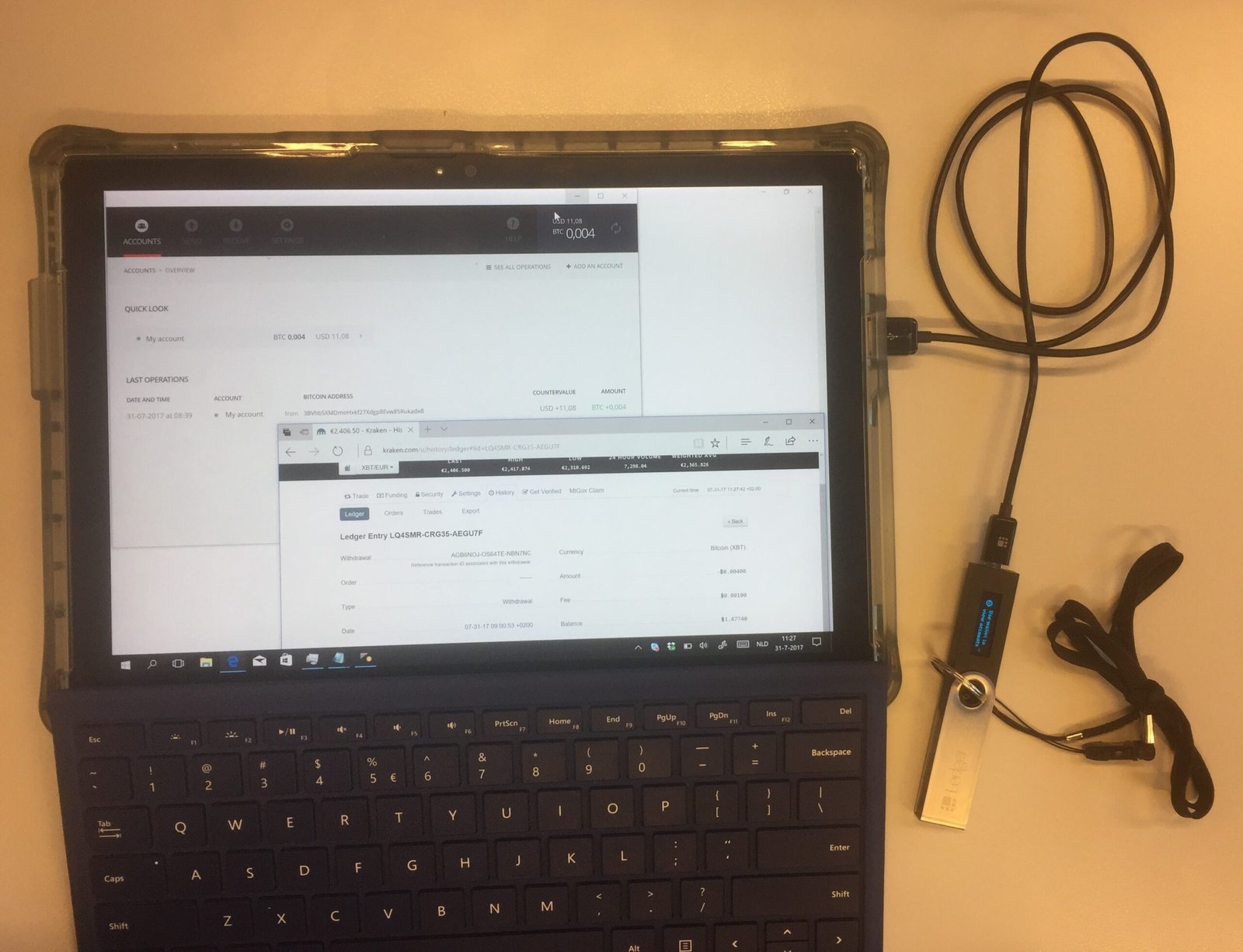
First, set up a secure wallet like MetaMask or a hardware device like Ledger. Connect this wallet to the marketplace where your NFT is currently stored. Go to your profile, select the NFT, and look for the "Transfer" or "Withdraw" option. Paste your personal wallet address and sign the transaction. Keep some ETH handy to pay for the network gas fees.
Does moving my crypto to a private wallet affect my Indian tax filings?
No, moving assets between your own wallets—like from an exchange to a hardware wallet—is not a taxable event under Indian law. You only trigger a tax liability when you sell, exchange, or spend your crypto. However, maintain a detailed record of your transfers. If the Income Tax department ever asks, having a clear on-chain trail proves your ownership and prevents future headaches.
When the Music Stops, Who Holds Your Keys?
Seeing the largest Ethereum NFT marketplace lose 99% of its volume and shutter its doors is a brutal reminder. If you still keep your digital assets sitting on a centralized platform just because it’s convenient, you’re playing a dangerous game. For those of us in India, where regulatory clarity is still catching up, the risk isn’t just technical—it’s about access. When a platform folds, your assets don’t disappear into thin air, but they do become effectively inaccessible for days or weeks.
It’s much like the concerns we see in Claude AI Safety: The Reality of Rogue Model Behavior; if you don’t control the underlying infrastructure, you don’t control the outcome. My advice? Move your NFTs to a cold wallet today. Don’t wait for a "closing soon" notification to finally get your act together. If you don’t hold the private keys, it isn’t your bag.
Sources and further reading
- Block-the-Talk; Joseph Massey of 3.0 Verse on the importance of cold and hot wallets for digital assets’ safety — financialexpress.com
- No intention to gag fintech, digital asset operators: SEC — msn.com
- Rep. Bryan Steil Endorses Clear Regulations for Digital Assets — coinfomania.com