Key takeaways
- Crypto mining sites provide the high-voltage power infrastructure that AI companies are desperate to acquire.
- Converting mining sites to AI data centers is a complex process that requires significant hardware and networking upgrades.
- The trend highlights a major shift in how digital infrastructure is valued in the era of generative AI.
- Always remember that industrial infrastructure investments carry different risks than direct cryptocurrency holdings.
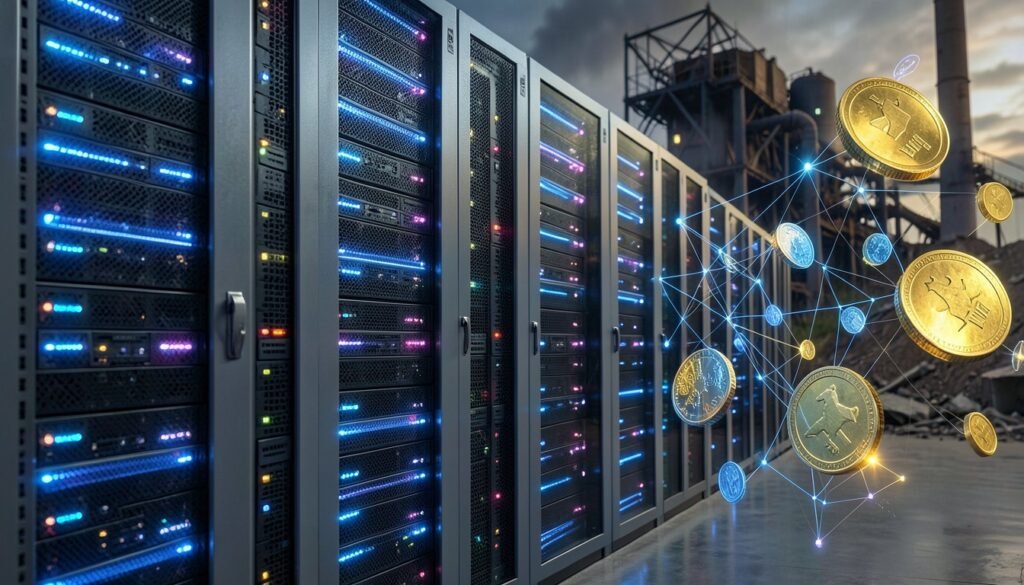
Imagine walking into a massive, silent warehouse in Texas that was once humming with thousands of Bitcoin mining rigs. Today, that same facility is being gutted and rewired to power the next generation of artificial intelligence. It is a strange but logical pivot: Bitcoin mining AI infrastructure is quickly becoming the most valuable real estate in the tech sector. Companies like SWI Group are breathing new life into these abandoned sites, recently raising $894 million to convert former FTX-backed assets into high-performance computing centers.
As reported by msn.com, these sites offer something more important than old hardware: massive, ready-to-go grid connections. In this piece, I will break down why this conversion matters for the future of global tech and what it means for observers in India. We will also look at How AI is Changing Bitcoin Security – Risks & Safeguards for Indian Users to understand the broader implications of this hardware migration.
The Shift: Why Mining Rigs are Becoming AI Servers
It’s strange to think that the same warehouse humming with Bitcoin miners a few years ago is now being retrofitted for artificial intelligence. But it makes total sense if you look at what these facilities actually offer.
Bitcoin mining relies on ASICs—highly specialized hardware built to solve one specific mathematical problem. AI, however, demands high-end GPUs that can handle complex, varied computations. You can’t just swap a miner for an H100 GPU and call it a day, but you can use the building that housed it.
These sites are essentially massive, power-hungry electrical hubs. Getting a new industrial power connection can take years of bureaucratic waiting. By buying bankrupt mining sites, companies bypass these delays, inheriting existing grid capacity and cooling systems that are already built for high-heat environments. It’s an infrastructure shortcut.
Think of it as the difference between building a house from scratch versus renovating an old one; the foundation and electricity are already there. While you’re securing your digital assets—perhaps reading about a $70 Million Hardware Wallet Hack: How to Keep Your Crypto Safe in India—remember that these physical warehouses are the backbone of this new transition. Companies aren’t just buying "crypto gear"; they are buying the right to plug into the grid today instead of waiting until 2028. It is a pragmatic, cold-hearted play for speed in a market that doesn’t like to wait.
Energy Efficiency: The Hidden Benefit of Repurposing
People often think of Bitcoin mining and AI as energy gluttons, but the real play here is about where that power comes from. Bitcoin mining hardware runs at a constant, steady load, whereas AI clusters demand massive, high-intensity spikes for model training. While the power profiles differ, the underlying infrastructure footprint is surprisingly similar.
When firms like SWI Group grab existing mining sites, they aren’t just buying old hardware; they’re buying access to grid-connected power that is already permitted and live. As noted by cryptobriefing.com, these sites often hold massive, pre-approved gigawatt-scale grid connections. By retrofitting these facilities, companies avoid the carbon-heavy nightmare of building new substations and transmission lines from scratch—projects that often take years of heavy construction and bureaucratic effort.
This brings us to "stranded energy." Imagine a power source in a remote part of Texas or Sweden that is too far from a major city to be useful for standard industrial needs. Bitcoin miners historically thrived on this cheap, isolated energy. Now, AI companies are muscling in, realizing that these same remote locations offer the exact power density needed for their GPU clusters.
Pro-tip: If you’re curious about how "green" a data center in your area actually is, look up the provider’s annual sustainability report or search for the "Energy Star" certification of their specific facilities. In India, you can often check the Renewable Energy Certificate (REC) status of large power consumers to see if they are genuinely purchasing clean power or simply branding their usage.
The FTX Legacy: How Defunct Assets Find New Life
It’s a strange turn of history. You’d think the physical hardware tied to the wreckage of Sam Bankman-Fried’s empire would be scrap, but that’s far from the truth. The SWI Group (SWICH) recently paid $500 million for a 77% stake in Genesis Digital Assets—an operation deeply entangled in the FTX bankruptcy.
These assets were essentially in a legal freezer for years while creditors fought over the scraps. Once a lawsuit against the miner was dismissed in mid-2026, the path finally cleared. SWI didn’t stop there; they raised 800 million euros (roughly $894 million) to pivot these facilities from mining Bitcoin to hosting AI workloads.
There is a sharp irony here. The same power grid connections and sites that once supported speculative crypto mining are now the backbone for training generative AI models. It’s a pragmatic evolution, much like How Voice AI is Moving Indian Companies from Pilot to Profit. Instead of letting these sites rot, the industry is squeezing utility out of them. In a world starving for compute, power access is the ultimate currency.
Technical Challenges: Converting Mining Hardware to AI
Let’s get one thing clear: you cannot simply run a Large Language Model on an old Bitcoin ASIC miner. Those machines are built for one singular, obsessive task—solving cryptographic puzzles. To pivot toward AI, you have to rip out the entire compute stack. You are essentially trading highly specialized Application-Specific Integrated Circuits for high-performance GPUs.
The cost-benefit analysis here is brutal. Retrofitting is rarely just a "refresh." You are often keeping only the shell, the electrical switchgear, and the land, then gutting the rest. As reported by kucoin.com, companies are raising hundreds of millions to handle this heavy lifting. Sometimes, building from scratch is cheaper than trying to make a 2021-era crypto shed play nice with modern AI requirements.
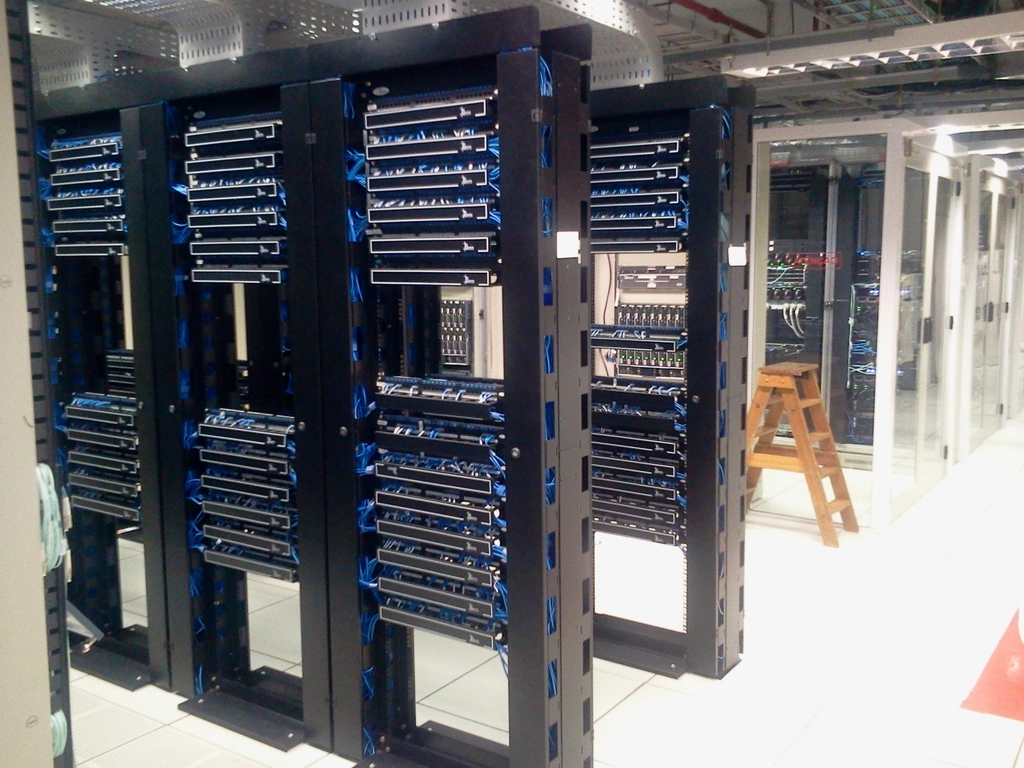
The networking gap is another silent killer. Bitcoin mining requires very little bandwidth; it just needs a steady, low-latency connection to a pool. AI, however, demands massive, low-latency fiber connectivity to keep clusters talking to each other. Furthermore, your cooling setup will need a complete overhaul. Mining rigs are noisy and hot, but AI server racks are on another level of density. You need advanced liquid cooling or specialized airflow systems that old mining sites rarely have pre-installed. It is an expensive transformation, and frankly, the "repurposing" label often hides a massive amount of construction work.
The Global AI Data Center Shortage
Everyone is chasing AI compute right now, and the demand is completely outstripping supply. It feels like the Wild West, but instead of digging for gold, tech companies are fighting over megawatts. Getting a permit for a new data center isn’t just about building walls and installing servers; it’s about securing a massive, dedicated place on the power grid.
Power is the ultimate bottleneck today. You can have the most advanced AI chips, but without a stable energy connection, you’re basically stuck. This is exactly why those old Bitcoin mining sites are suddenly the hottest real estate on the market. They were built for one thing: consuming industrial-grade electricity. While you might still be weighing your own security with Hot vs Cold Crypto Wallets: Which Is Safer for Indian Investors?, big players are viewing these sites as ready-made power hubs.
This isn’t just a Texas or Sweden story. From the U.S. to Europe, the scramble for grid access is a global race. As emerging tech hubs look to scale their local compute capacity, they’ll likely follow this same path: hunting for existing infrastructure rather than starting from scratch. It’s a practical, if slightly messy, solution to a massive infrastructure crisis.
Investment Implications: What Indian Tech Observers Should Know
If you are watching the global AI race from India, here is the reality: the biggest constraint isn’t just the chips; it is the electricity. When firms like SWI Group pivot, they are essentially hoarding grid capacity that was previously tied to crypto. As reported by msn.com, these former crypto sites are being stripped of mining rigs to make room for high-performance AI clusters. For Indian tech observers, this confirms that grid-ready land is the most valuable asset in the modern digital supply chain.
India is aggressively building its own data center capacity to support local AI startups and global cloud demand. We should view this international shift toward "AI-ready" infrastructure as a blueprint for local development. Crucially, this isn’t a speculative play on Bitcoin tokens or crypto market volatility. Instead, it is a bet on the physical utility of electricity and cooling. If you’re looking to invest, shift your focus away from volatile crypto assets and toward the boring, stable backbone of the digital economy.
Researching Opportunities
- Data Center REITs: Look for companies that own and lease the physical shells, power distribution, and cooling systems.
- Grid Infrastructure: Track utilities that are upgrading local grids to handle massive AI energy loads.
- Energy Management Firms: Focus on businesses that specialize in cooling efficiency, as that is the primary technical hurdle in converting old mining sites.
Don’t buy the hype around a specific token; follow the power lines.
Risks and Realities: Why Not All Mining Sites Work
It’s easy to look at a 1.3 gigawatt grid connection and see a goldmine, but reality is messier. Simply having electricity isn’t enough for the modern AI race. You need fiber-optic backbones that provide the low-latency, high-speed connectivity required for massive data processing. Many remote mining sites, built specifically for cheap power, sit miles away from the high-bandwidth fiber lines an AI company demands. If you have to lay hundreds of kilometers of cable, that initial cost advantage evaporates quickly.
Then there’s the bureaucratic headache. Local zoning boards often treat industrial crypto mining differently than high-density data centers. Shifting land-use permits can trap a project in a regulatory freezer for months or even years. Understanding crypto starts beyond the price chart. It’s rarely as simple as swapping out rigs.
Retrofitting an old warehouse is also a financial gamble. Mining setups are designed to handle heat and noise in ways that don’t match the precise cooling requirements of high-performance GPU clusters. Sometimes, tearing down and building a purpose-built facility is cheaper than trying to salvage a legacy site. Investors should be wary; this is a complex industrial transition, not a guaranteed ticket to riches for every defunct crypto project. The shift requires capital, patience, and a deep technical understanding of infrastructure. Not every derelict rig farm is destined to be the next big AI hub.
Watch: Bitcoin Miners Are Moving Into AI — But Can Every Mining Farm Become a Data Center?
Frequently Asked Questions
Can Bitcoin mining hardware be used to train AI models?
Honestly, not really. Bitcoin miners use specialized ASICs built solely for proof-of-work math, which aren’t flexible enough for the heavy lifting AI requires. AI workloads thrive on high-end GPUs. When firms like SWI Group acquire these mining facilities, they aren’t interested in the old rigs; they are after the grid connections and the physical space to install new, purpose-built AI servers.
Why are AI companies buying old crypto mining sites?
It is all about the power. Securing over a gigawatt of energized, approved grid capacity can take years of bureaucratic heavy lifting. By purchasing sites like the ones Genesis Digital Assets operated, companies gain instant access to 1.3 gigawatts of power. For an AI firm, that "plug-and-play" capability is worth millions more than the actual buildings or old machines ever were.
Is this trend making crypto mining more expensive?
It’s not just about the cost of electricity, but the availability of it. As major players like Core Scientific or TeraWulf shift their business models toward AI hosting to secure steadier revenue, they effectively pull that power capacity away from the Bitcoin network. This creates a tighter market for energy, pushing miners to find even cheaper, more remote power sources to stay profitable.
What are the risks of investing in companies that repurpose crypto assets?
It is not as simple as flipping a switch. Converting a mining farm into an AI data center is a massive engineering challenge because AI clusters demand much more intensive cooling and networking than mining rigs ever did. If a company underestimates these technical requirements, they will face significant budget overruns, not to mention the legal headaches that often shadow assets tied to bankruptcies.
Reality Check: Not Every Site Is A Gold Mine
Don’t let the $894 million price tag fool you; flipping a Bitcoin mine into an AI data center isn’t like swapping a lightbulb. Mining rigs are built for raw, noisy grunt work, often in rugged, remote locations. AI clusters, however, demand precise cooling and near-zero latency that many of these old sites just weren’t designed to handle. If you’re looking at these trends, remember that grid connection is only half the battle.
For those of us tracking local tech, it’s worth watching how these shifts influence global standards. Just as we look at How AI Could Fast‑Track Ethereum Upgrades in India, keep an eye on whether domestic data centers follow this repurposing model. My advice? Before getting excited about the "second life" of these assets, wait to see which facilities actually pass the performance stress tests. Operational reality rarely matches the glossy investor pitch.
Sources and further reading
- FTX’s old bitcoin-mining assets are now part of the AI boom — msn.com
- SWI Raises $894M to Repurpose FTX Bitcoin Miner for AI Projects — kucoin.com
- FTX’s old Bitcoin-mining infrastructure gets a second life powering AI — cryptobriefing.com