
Key takeaways
- Hot wallets are convenient for frequent trading but expose private keys to online threats.
- Cold wallets (hardware or paper) keep keys offline, dramatically lowering hack risk.
- Indian regulations mandate KYC for custodial hot wallets; non‑custodial cold wallets remain unregulated.
- A hybrid approach—using a hot wallet for daily activity and a cold wallet for savings—offers the best risk‑reward balance.
- Follow the detailed safety checklists to protect assets regardless of wallet type.
Imagine checking your portfolio on a Sunday morning over chai, only to find your balance empty. It is a nightmare scenario, but it happens more often than you would think. Choosing between hot vs cold crypto wallets is not just a technical debate; it is really about how you manage your personal risk. As noted by cnbctv18.com, your choice should depend on how often you trade and the total value you are holding. Hot wallets give you the speed needed for daily transactions, while cold wallets act like a digital vault for your long-term savings. We also need to talk about how emerging tech impacts these choices, so do not miss our breakdown on How AI is Changing Bitcoin Security – Risks & Safeguards for Indian Users. I will walk you through the pros and cons to help you decide which setup works for your specific strategy.
What Exactly Is a Hot Wallet?
A hot wallet is essentially a digital bridge between your crypto and the internet. Think of it like your daily carry wallet—you keep enough for your coffee and auto-rickshaw fare, but you don’t carry your life savings in it. These wallets come as mobile apps, browser extensions, or desktop software, making them the go-to for anyone trading frequently.
In India, you’ve likely encountered platforms like WazirX or CoinSwitch Kuber, which act as custodial hot wallets. There are also non-custodial options like Trust Wallet, where you hold the private keys yourself. Because these remain connected to the internet, they are incredibly fast for swapping tokens or paying for digital goods. Just like checking the specs on Honda’s First Mass‑Market EV SUV in India: What You Need to Know, you need to understand exactly what you are signing up for before you start moving money.
The trade-off is your security model. In a hot wallet, those essential private keys are stored on your device or sometimes in a cloud-synced file. If your phone gets compromised by malware or you accidentally click a phishing link, your assets are vulnerable. It is pure convenience, but it comes with a tax on your peace of mind.
Cold Wallets Explained: Hardware vs Paper
If you’re serious about holding crypto for the long haul, you need to get your private keys off the internet. That’s where cold storage comes in. As noted on pctechmag.com, keeping keys offline significantly reduces your exposure to remote hacks, phishing, and malware because the device isn’t constantly tethered to a network.
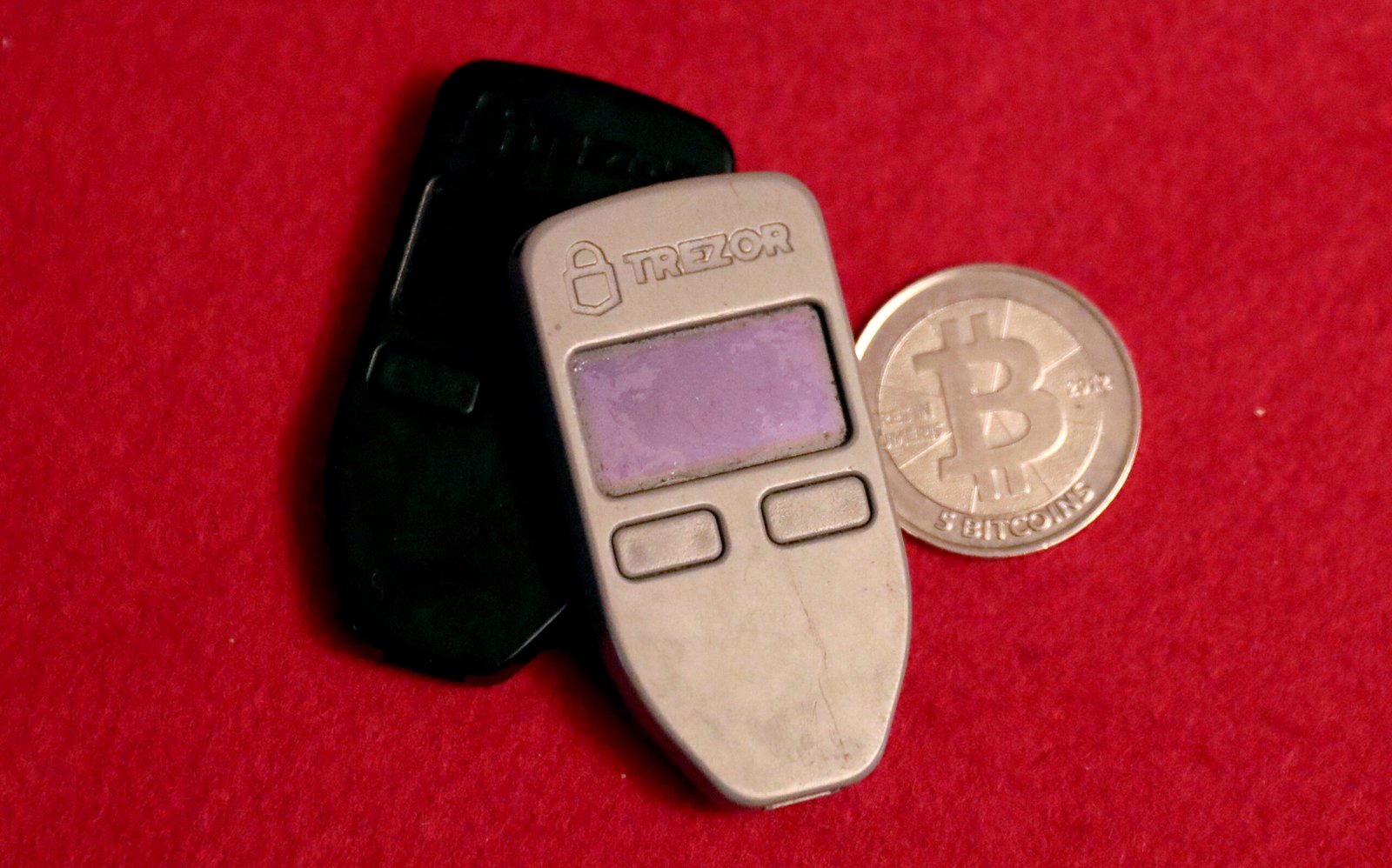
Hardware wallets like those from Ledger or Trezor are the industry standard. They look like encrypted thumb drives, but they act as secure, isolated vaults for your keys. When you buy these in India, remember that most are imported, so you should factor in customs duties on top of the base price. You’ll typically spend anywhere from ₹8,000 to ₹25,000 depending on the model. I always recommend buying directly from the manufacturer’s official website to ensure you aren’t receiving a tampered device.
Paper wallets are the other extreme. You simply write your seed phrase on a physical piece of paper and tuck it away. While it is technically "cold," it is incredibly fragile. If you lose that paper or it gets ruined by a damp wall during the monsoon, your funds are gone forever. Stick to a dedicated hardware device, as they offer much better recovery support and physical security features.
Risk Comparison: Hacks, Phishing, and Human Error
If you’re keeping a hot wallet, you’re basically carrying a digital pocket. It’s convenient, but global data between 2024 and 2026 confirms that internet-connected wallets remain the primary target for attackers, with millions of dollars lost to exploits annually. In India, I’ve seen people get hit by persistent phishing; you might get a WhatsApp message or SMS disguised as an "urgent security alert" from a popular exchange, tricking you into revealing your private keys or seed phrase.
Cold wallets shift the risk entirely. You aren’t worrying about remote malware, but you are now the sole point of failure. If your hardware device is damaged, lost, or you simply misplace your written recovery phrase, those funds are gone forever. It’s a trade-off: do you fear the hacker or your own ability to keep a piece of paper safe?
| Risk Type | Likelihood | Impact |
|---|---|---|
| Hot Wallet Phishing | High | Medium |
| Cold Wallet Loss | Low | Critical |
For a casual investor, human error usually beats out sophisticated hacking. Just as you might Build Browser Games with AI Prompts: A Practical Guide for Indian Creators, remember that any digital setup is only as secure as the person operating it.
Regulatory Lens: How Indian Law Views Wallet Types
In India, the regulatory environment distinguishes sharply between custodial and non-custodial options. If you keep your crypto on a centralized exchange, you are using a custodial hot wallet. These platforms are now mandated by the Financial Intelligence Unit (FIU-IND) to comply with stringent Prevention of Money Laundering Act (PMLA) norms. This means your exchange-linked wallet is tied strictly to your Aadhaar and PAN-verified KYC.
Conversely, non-custodial wallets—where you hold your own private keys—are not currently regulated by these specific exchange-level mandates. While they aren’t illegal, you lose the safety net of an exchange if things go wrong. As noted in guidance from cryptonews.com, understanding these custody models is critical for your risk profile.
Regarding taxes, moving assets between your own hot and cold wallets isn’t a taxable event, as there is no disposal of the asset. However, keep impeccable records; if you later transfer to an exchange to sell, the tax office will calculate your capital gains based on the original acquisition cost. With the government’s upcoming draft crypto-asset bill expected to prioritize consumer protection and financial stability, expect future frameworks to lean heavily toward stricter oversight of how assets are held and moved.
Cost‑Benefit Analysis for Different Investor Profiles
Your choice of wallet shouldn’t cost more than the peace of mind it provides. If you’re a small-scale trader holding under ₹50,000 in crypto, a reputable hot wallet is usually sufficient. You don’t need to spend extra money when your total exposure is limited.
For mid-size holders (₹50,000 to ₹5 million), I suggest a hybrid approach. Keep a small amount for daily trading in a hot wallet and move the bulk into a hardware device. It’s like carrying a small wallet for chai expenses while keeping your main savings in a locker. Think of it similarly to how you’d balance your tech spending; for example, checking the Vivo V80 India Review: Is the 7200 mAh Zeiss Flagship Worth ₹62,999? helps you decide if a premium phone fits your budget, just as choosing a hardware wallet fits your crypto portfolio.
High-net-worth investors (₹5 million+) should strictly use cold storage. The risk of losing your capital far outweighs the one-time cost of premium hardware.
| Profile | Strategy | Est. Monthly Cost |
|---|---|---|
| Small (<₹50k) | Hot Wallet | ₹0 |
| Mid (₹50k–₹5M) | Hybrid | ₹500–₹1,000* |
| High (₹5M+) | Cold Storage | ₹1,000+* |
*Costs represent amortized hardware investment over time.
Step‑by‑Step Safety Checklist for Hot Wallets
If you’re keeping a portion of your crypto in a hot wallet for active trading, you’re essentially carrying a digital wallet in your pocket. Because it is always online, you must treat it like a high-security vault. As noted by experts at cnbctv18.com, balancing convenience with security is vital for any investor.
Start with these hardening steps:
- Lock it down: Enable 2FA using an authenticator app rather than SMS, set a mandatory biometric lock, and ensure your device is fully encrypted.
- Isolate your activity: Use a dedicated, "clean" phone for crypto apps. If you must use a desktop, create a separate browser profile strictly for crypto tasks to avoid malicious cookies or phishing attempts.
- Stay current: Only download apps from official store links. Update them immediately when a new version drops to patch potential security vulnerabilities.
- Exchange safeguards: If you use Indian platforms, set strict withdrawal limits and use address whitelisting. This ensures that even if someone gains access to your account, they cannot easily move funds to an unauthorized wallet.
Think of these steps as your baseline. If you aren’t doing these, you’re leaving your keys sitting on the counter.
Step‑by‑Step Safety Checklist for Cold Wallets
Buying a cold wallet is only half the battle. If you’re purchasing a device like a Ledger or Trezor in India, buy directly from the manufacturer or an authorized reseller. Never pick up a "great deal" from an unverified third-party marketplace. Before you plug it in, inspect the tamper-evident packaging carefully; if the seal looks disturbed, send it back immediately.
When setting up, the seed phrase is your ultimate lifeline. Write it down on physical paper or, better yet, a stainless steel plate. Never store these words on a computer, phone, or cloud service. You might be tempted to use your fancy new Google Offline AI Note-Taker: Hands-On Review for Mac Users, but for your seed phrase, keep your methods strictly analog. Create at least two copies and store them in separate, secure locations like a home fire-proof safe or a bank deposit box.
Regarding firmware, always download updates directly from the official website. Verify the digital signature to ensure the software hasn’t been tampered with. Think of your cold wallet like a high-security vault; the hardware keeps the keys isolated, but your habits determine your safety.
Practical Migration: Moving Crypto from Hot to Cold Safely
Thinking about moving your crypto to a hardware device? It’s usually time when your portfolio value crosses a threshold you’d hate to lose, or when you see regulatory news that makes you rethink keeping assets on an exchange. Moving funds isn’t hard, but it demands absolute focus. As noted on pctechmag.com, cold wallets trade convenience for isolation, so expect some friction during the process.
Follow this flow to move your assets securely:
- The Test Run: Send a tiny amount—say, ₹500 worth of crypto—to your cold wallet address first. Don’t skip this.
- Verification: Check the cold wallet’s screen to confirm the funds arrived. Never rely on the hot wallet’s "sent" notification alone.
- Bulk Transfer: Once the test clears successfully, move your main balance.
- Audit Trail: Copy the transaction hash (TxID) from your block explorer and paste it into a simple spreadsheet.
In India, keeping these records is vital for tax compliance. If you ever need to justify your holdings to an auditor, having a clear, time-stamped log of when your assets moved from an online hot wallet to a secure cold device will save you a massive headache later.
Choosing the Right Wallet for You – Quick Decision Tree
Picking a wallet isn’t about finding the "perfect" one; it’s about matching your storage to your habits. Ask yourself these three questions:
- How often do you trade? If you’re active daily, a hot wallet is essential for speed.
- How much are you holding? If your stash exceeds a few months of savings, move the bulk to cold storage.
- How tech-savvy are you? Hardware wallets require patience, manual backups, and physical security.
For most Indian users, a hybrid approach works best. Keep a small amount for daily trading in a mobile hot wallet like Trust Wallet, and secure your long-term "HODL" stack in a hardware device like a Ledger Nano X or Trezor. You can buy these devices from authorized Indian distributors to ensure you aren’t receiving a tampered unit.
While you optimize your security, remember that even the best systems require human vigilance. Just as businesses analyze efficiency through tools like ServiceNow AI Workflow Factory: Real ROI for Indian Enterprises, you must treat your seed phrase like a physical locker key. No storage method is 100% bulletproof. Stay cautious, keep your recovery phrases offline, and never share them with anyone—not even exchange support staff.
Watch: Best crypto wallet 2026: Why You Need a cold crypto wallet for Total Security ?
Frequently Asked Questions
What is the safest wallet for storing large amounts of crypto in India?
For substantial holdings, a cold storage hardware wallet is the industry standard. By keeping your private keys offline, you drastically limit exposure to online hacks and phishing attempts that frequently target Indian users. While no solution is infallible, hardware devices offer the best isolation for long-term storage. I always recommend prioritizing reputable brands with a proven, multi-year track record.
Can I use a hot wallet for daily trading and a cold wallet for long‑term holding?
Absolutely; this is the most practical strategy for most investors. Treat your hot wallet like your physical daily wallet—keep only the small amounts you need for active trading or quick payments. Move the bulk of your assets into cold storage as soon as your balance grows. It minimizes your risk while keeping your trading agile and responsive.
Do Indian exchanges require KYC for hardware wallets?
Indian exchanges require KYC for their own platform services, but they do not "register" your hardware wallet. When you transfer funds to a private cold wallet, you move them into your own self-custody. The exchange loses visibility over those funds once they leave their platform, so the hardware wallet itself operates entirely independently of exchange-level KYC mandates.
How much does a Ledger Nano X cost in rupees and is it worth it?
I cannot confirm the current price of a Ledger Nano X in rupees, as costs fluctuate based on import duties and official retailer listings in India. Whether it is "worth it" depends on the value of your portfolio. If your holdings are substantial, the cost of a device is a small insurance premium against losing your entire investment.
Your Strategy for the Long Haul
Don’t overthink it. You don’t need a cold wallet for your ₹5,000 worth of meme coins, but you definitely shouldn’t leave your life savings on an exchange. If you are trading daily, a hot wallet on your phone is fine—just treat it like your physical wallet. You wouldn’t walk around with your entire life savings in your pocket, right?
For any assets you plan to hold for years, invest in a hardware wallet. It creates that crucial gap between your private keys and the unpredictable internet. Understanding crypto starts beyond the price chart.
My advice? Start small. Move your long-term assets to a cold wallet first, and keep your "play money" in a hot wallet. Your future self will thank you when you avoid that one phishing link that could have wiped out your portfolio. Security is a habit, not a product.
Sources and further reading
- Hot vs cold crypto wallets: Key differences, risks and safety checks — cnbctv18.com
- Hot Wallets vs Cold Wallets: Key Differences Explained — cryptonews.com
- Hot Wallet vs Cold Wallet: Which Is Safer for Crypto in 2026? — pctechmag.com


Discussion