
Key takeaways
- Hardware wallets are strong but not immune – firmware flaws can expose funds
- Authenticity checks and regular updates are your first line of defense
- India’s cyber‑crime units are stepping up support for crypto users
- Future wallets will likely include biometric and hardware‑level isolation
- Stay informed: follow RBI, NCA, and manufacturer advisories
Imagine opening your wallet app to find your life savings gone. It’s the nightmare scenario unfolding this October 2026, as reports suggest between $72 million and $92 million have been drained from hundreds of accounts. This massive hit to crypto hardware wallet security is a sobering reminder that even the most "secure" tools have blind spots. While no official device exploit has been confirmed, the fallout appears linked to a specific reseller in Southeast Asia, as detailed by coingabbar.com.
For us in India, where self-custody is becoming standard, this is a wake-up call to stop trading caution for convenience. We’ll look at how this happened, why your hardware device isn’t a magical shield, and how to lock down your assets today. Before you panic, review the basics of Hot vs Cold Crypto Wallets: Which Is Safer for Indian Investors? because your best defense starts with where you actually buy your gear.
What Happened in the $70 Million Attack
If you’ve been checking your crypto portfolio this October, you might have felt a chill. Reports surfacing around October 9, 2026, indicate that roughly $70 million to $90 million in assets were drained from hardware wallets. It’s a stark reminder that even the most secure storage isn’t invulnerable. Just as AI Detects Heart‑Transplant Rejection Without Biopsy – What It Means for India shows how technology evolves to protect our physical health, we need to stay equally sharp about our digital wealth.
Bloomberg and other outlets have tracked these funds across Ethereum, Tron, and Bitcoin, with estimates of the total loss varying from $72 million to nearly $93 million. Crucially, the manufacturer—Ledger—has not confirmed a systemic device exploit. Instead, they’ve asked a specific reseller, CryptoBilis, to pause all sales and shipments. This points toward a potential supply-chain issue rather than a failure of the hardware itself. If you bought a device recently, you aren’t necessarily compromised, but the uncertainty is real. Hundreds of users have reported drains, though a final tally remains elusive as investigators continue tracing the stolen funds. For now, treat your hardware wallet as a locked door—but keep an eye on who gave you the keys.
Why Hardware Wallets Aren’t Foolproof
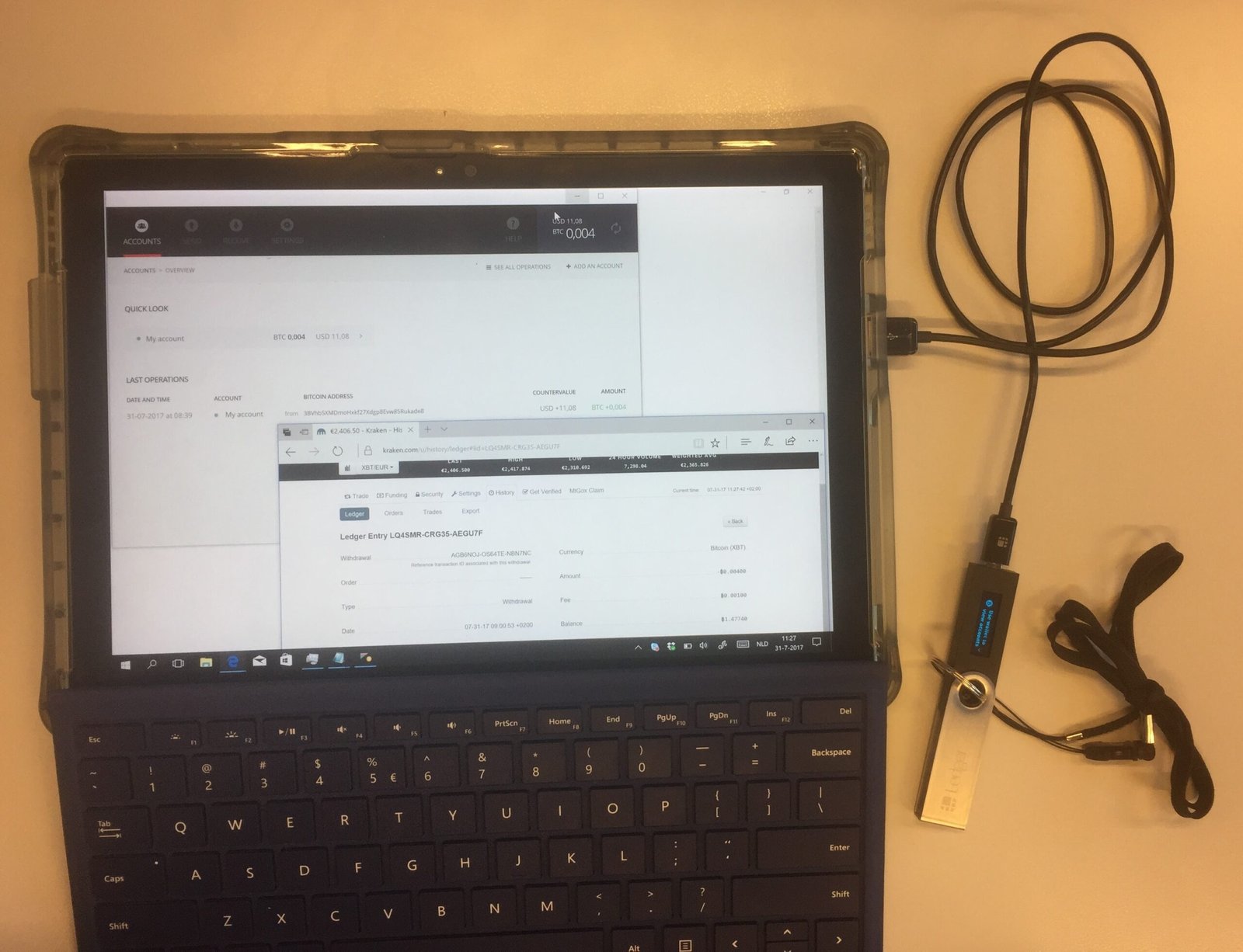
We love hardware wallets because they keep your private keys offline, away from prying eyes on your phone or PC. But even top-rated devices aren’t magic shields against every threat. You are essentially trusting the manufacturer’s code and the physical integrity of the device from the moment it leaves the factory floor.
If you live in India, you have likely bought a wallet from a third-party reseller on an e-commerce site rather than directly from the source. This is a massive weak point. A supply chain attack happens when someone intercepts the package, replaces the firmware with a malicious version, or even adds a physical keylogger inside. Once that device reaches your home, it is already compromised before you even set it up.
Then there are the "smart" attacks. Even if your device is authentic, criminals use phishing to trick you into entering your seed phrase into a fake website. Remember, your wallet is only as secure as your secret recovery phrase. If you type those 12 or 24 words into a browser because you think you’re "syncing" your device, you’ve handed over the keys. Firmware updates, while necessary, can also be exploited if you aren’t verifying the update source directly through official, trusted channels.
Spotting Red Flags Before You Buy
Check the Manufacturer’s Site
Look for a secure https URL and a clear “About” page. Ledger’s official site lists a CC EAL5+ Secure Element chip; if the page is missing or uses a free‑hosted domain, pause.
Verify Serial Numbers and QR Codes
Every Ledger or Trezor comes with a unique serial printed on the case and a QR code for firmware verification. Scan the code with the manufacturer’s app; a mismatch means the device was tampered with.
Buy from Trusted Resellers in India
| Channel | Red‑flag signs | Why it matters |
|---|---|---|
| Official stores (e.g., Ledger’s India portal) | Clear return policy, warranty, and local support | Guarantees authenticity |
| Authorized e‑commerce (Amazon India, Flipkart) | Seller rating ≥ 4★, verified seller badge | Reduces counterfeits |
| Unverified marketplaces (e‑commerce without seller badges) | No warranty, no customer support | High risk of compromised firmware |
Avoid “cheap” deals that undercut the ₹70,000–₹80,000 range for a Nano X; they’re often pre‑loaded with malicious firmware.
By double‑checking the site, serial, and seller, you keep the $70 million‑plus risk at bay. For other tech deals, check out the e‑SPRINTO G1: India’s Cheapest Smart Electric Scooter Revealed to see how authenticity matters beyond crypto.
What to Do If You Suspect a Compromise
Act Fast
If you think your Ledger or Trezor is compromised, move the exposed coins to a fresh signer immediately. A quick transfer to a new seed keeps the bad actors out of the loop. Then reset the device’s PIN; a new PIN is a cheap, effective first line of defense.
Notify the Right People
- Manufacturer – Send a detailed report to Ledger or Trezor’s support email. Include serial number, firmware version, and any suspicious activity logs.
- Indian cyber‑crime units – File a complaint with the National Cyber Crime Coordination Centre (NCC) through their online portal. The NCC keeps a database of crypto‑related incidents and can coordinate with banks if a wallet’s private keys were exposed.
- RBI advisory – Keep an eye on RBI’s “Crypto‑Related Guidance” page. RBI now issues periodic advisories on security best practices for crypto users in India.
Keep Track of Updates
Follow Ledger’s official security alerts on X and the Trezor community forum. For broader context, read about AI‑driven security tools in this article: Google Gemini 4 Argon: What Indian Users Must Know. These sources often publish firmware patches or new recovery procedures that can save you from future breaches.
Insurance and Legal Recourse in India
If you’re holding crypto on a hardware wallet, don’t expect a standard insurance policy to cover a hack like the one recently reported on coingabbar.com. Most Indian insurance providers treat private keys under your sole control as high-risk, meaning standard coverage simply doesn’t exist for these types of losses.
When disaster strikes, the RBI isn’t your first port of call. Instead, your primary move is to register a formal complaint on the National Cyber Crime Reporting Portal. You should also visit your local cyber cell immediately; filing an FIR quickly is essential for potential legal tracing. While the CBI might handle massive, systemic inter-state frauds, they rarely investigate individual retail wallet hacks.
Realistically, recovering stolen funds is incredibly difficult because crypto transactions are irreversible. You might hold out hope for a court order or an exchange block, but these are long shots. My advice? Document every interaction with the reseller and save all transaction logs. Keeping a physical file of your purchase receipts and device serial numbers is the only leverage you’ll have if you ever need to pursue legal action against a vendor.
Future Trends: Secure Hardware Wallets
The next wave of security isn’t just about faster chips; it’s about removing human error entirely. We are moving toward devices with built-in biometric authentication, ensuring that even if your device is physically stolen, your keys remain locked behind a fingerprint or retinal scan. Hardware isolation is also evolving, with chips designed to process transactions in a physically separate environment from the device’s main display, minimizing the risk of visual spoofing or malicious firmware updates.
In India, we should expect more scrutiny from the RBI and SEBI. As they tighten oversight on digital assets, they may eventually mandate specific security certifications for hardware devices marketed to Indian users. Just as we see rapid progress in hardware like the Open‑Source Bipedal Humanoid: India’s Next Robotics Leap, the demand for standardized, audited security protocols for personal crypto storage is growing.
When buying your next wallet, look for these features:
- Air-gapped functionality: The device never physically connects to a computer via USB.
- Open-source code: You or an expert can personally verify how the device handles your private keys.
- Multisig support: Requiring multiple approvals for large transfers, reducing the risk of a single point of failure.
Future-proofing your crypto isn’t about buying the most expensive gadget; it’s about picking hardware that keeps your keys completely isolated from the chaotic internet.
Practical Checklist for Indian Crypto Users
Quick Wallet Audit
- Check firmware – Open Ledger Live or Trezor Suite, tap Settings → Device → Firmware, and confirm you’re on the latest patch.
- Verify seed backup – Write down the 24‑word phrase on paper, not digitally. Store it in a fire‑proof safe.
- Test a small transfer – Move ₹100 worth of crypto to a new address and back. If anything goes wrong, you know the device is compromised.
- Inspect physical device – Look for tamper‑evidence stickers and ensure no extra USB dongles are attached.
- Confirm reseller – Buy only from Ledger, Trezor, or authorized Indian distributors like CoinBilis (now paused) or official websites.
Top 5 Do’s & Don’ts
| Do | Don’t |
|---|---|
| Keep the device offline when not in use | Leave it plugged in to a computer that might be infected |
| Enable two‑factor authentication on Ledger Live | Store your seed phrase in cloud storage |
| Use a separate recovery phrase for each wallet | Share your seed with anyone, even a friend |
| Regularly update your wallet’s firmware | Ignore security bulletins from the manufacturer |
| Verify every transaction on the device screen | Trust the computer’s display alone |
Resources to Stay Updated
- Official Ledger/Trezor blogs – real‑time alerts on firmware and security.
- CryptoBanter on X – quick community reports; check the latest tweet from @crypto_banter.
- AnalyticsInsight – comparative reviews and new model releases.
- Indian crypto forums (e.g., r/IndiaCrypto on Reddit) – peer experiences with local resellers.
Follow this checklist monthly; a small audit can save you from a multi‑million‑rupee loss.
Watch: Top 5 Hardware Wallets for Crypto in 2026 (Ultimate Security Guide)
Frequently Asked Questions
What is a hardware wallet and how does it work?
A hardware wallet is a small, offline device that stores your private keys—the cryptographic passwords needed to move coins. The keys never leave the device; when you want to send a transaction, the wallet signs it internally and shows the details on its screen for you to confirm. Because the signing happens offline, malware on your phone or PC can’t steal the keys.
How can I tell if my hardware wallet is authentic?
Buy only from the manufacturer’s official store or an authorized Indian reseller; Ledger, for example, asked reseller CryptoBilis to pause sales after the recent incident. Check the packaging for tamper‑evident seals, serial numbers that match the ledger on the company’s website, and a QR code that links to a verification page. If any seal is broken or the serial doesn’t register, treat the device as compromised.
What should I do if I think my wallet has been compromised?
First, stop using the device. Transfer any remaining assets to a brand‑new wallet with a fresh seed phrase—preferably one you purchase directly from the vendor. Then, report the incident to the wallet maker’s support team and to Indian cyber‑crime authorities (e.g., CERT‑IN). Finally, review all recent transactions on a block explorer to identify the exact loss amount.
Are there insurance options for crypto hardware wallets in India?
As of now, mainstream Indian insurers do not offer dedicated policies for hardware‑wallet loss. Some global crypto insurers provide coverage, but they usually require the wallet to be stored in a certified vault, which isn’t practical for most Indian users. Keep an eye on emerging fintech insurers; a few startups are piloting limited‑scope crypto insurance, but no official product has been launched yet.
Bottom Line & One Simple Next Step
The $70‑million hardware‑wallet drain shows that even premium devices can be compromised through supply‑chain tricks or user error. In India, where many buy from local resellers, the risk is real—but it’s manageable. Treat your wallet like a safety‑deposit box: keep the device sealed, store the seed phrase offline, and only initialise a brand‑new unit from a verified source.
Your next step: Buy a Ledger or Trezor directly from the official Indian website or an authorised partner, set it up in a clean environment, and immediately write the 24‑word recovery phrase on metal (not paper). Then lock that metal backup in a fire‑proof safe. This single habit cuts the most common attack vector and gives you a solid foundation for the checklist that follows.
For a deeper dive into protecting crypto with emerging tech, see our piece on How AI is Changing Bitcoin Security – Risks & Safeguards for Indian Users.
Sources and further reading
- Ledger Security Alert: $86M Drained From Hundreds of Crypto Wallets — coingabbar.com
- Crypto hardware wallets compared for 2026 — cointelegraph.com
- Top 50 Crypto Hardware Wallets in 2026 — analyticsinsight.net


Discussion