
Key takeaways
- Hyundai’s HE1i aims to hit the sub‑4‑tonne EV segment with 300‑km range and premium ADAS.
- Price is likely to sit between ₹12‑14 lakh, making it competitive against Tata and MG.
- Fast‑charging capability could offset limited public charger density in tier‑2 cities.
- Urban professionals and first‑time EV buyers are the primary target audience.
- Early adoption will depend on dealer readiness and clear subsidy guidance.
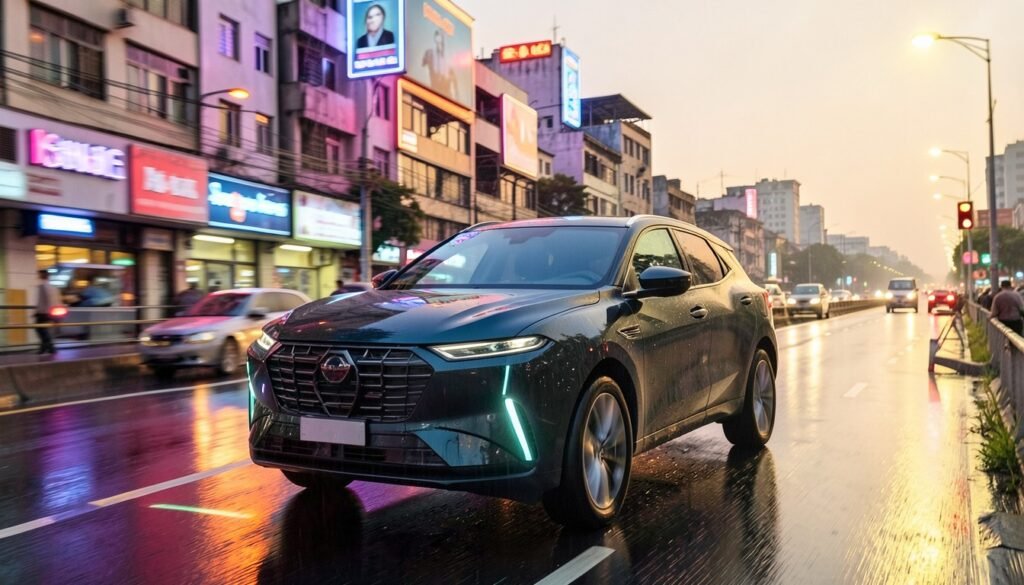
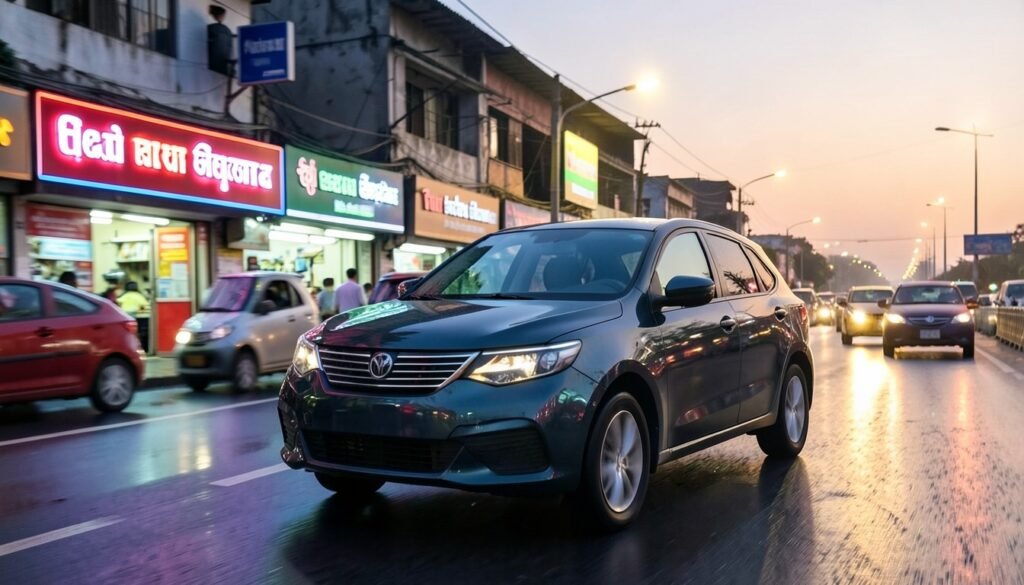
Imagine catching a glimpse of a heavily camouflaged, boxy SUV cutting through peak-hour traffic on a dusty highway. That’s exactly what car spotters have been seeing lately, and it is fueling the massive buzz around the upcoming Hyundai HE1i launch. Slated to arrive by Q4 2026 according to latestly.com, this compact electric SUV is built on a brand-new dedicated EV platform.
If you’re waiting for a reliable, tech-heavy electric city car, this might be the one to hold out for. It is not just another EV; it is Hyundai’s attempt to dominate the mass-market segment with something that actually feels practical. Much like how the Xiaomi Redmi Note 13 Series Lands in India: What You Need to Know changed our expectations for mid-range tech, the HE1i aims to redefine what an entry-level EV offers. Let’s break down the specs, the range, and whether you should wait or look elsewhere.
The HE1i in a nutshell – specs that matter
If you’ve been tracking the Hyundai HE1i, you know it’s aiming to be more than just another city runabout. While Hyundai hasn’t dropped the final motor output or torque figures, the big headline is the 500+ km range. That’s a bold claim, especially if they keep the weight down on their new dedicated EV platform.
Size-wise, expect it to sit between the tiny MG Comet EV and the larger Tata Nexon EV. It has a boxy, high-roof stance that prioritizes cabin space over slippery aerodynamics. Think of it as a practical, upright machine built for our chaotic city traffic. Just like you might weigh the value of the Vivo X Fold 6 India Launch: Specs, Price, and Real‑World Verdict, the HE1i aims to balance that 500km range with two battery options.
The feature list is already looking stacked. We know it’s getting a sunroof, ventilated seats, and dual-zone climate control. They’re also including ADAS, which could be a massive win for highway commutes. Remember, final performance specs are still unconfirmed, so keep your expectations tempered until the official reveal closer to the Q4 2026 launch.
Pricing expectations and how they stack up
Expectations are pinning the HE1i between Rs 10 lakh and Rs 14 lakh (ex-showroom). At this price, Hyundai is clearly aiming to disrupt the segment occupied by the Tata Tiago EV and MG Comet EV, while also squaring off against the Vayve Eva. Unlike the ultra-compact Comet, the HE1i promises a more traditional SUV form factor, which might justify the premium for many Indian families.
Since EVs in India benefit from a low 5% GST slab, that sticker price remains quite manageable compared to internal combustion alternatives. If you are looking at financing, using an HDFC Flexi loan can help you manage monthly EMIs by adjusting your principal payments based on your personal cash flow.
The real value proposition? If Hyundai can keep the base variant near the Rs 10 lakh mark, they will effectively pressure the Tata Nexon EV’s lower trims. Even with a 500+ km range as reported by udaipurtimes.com, a price above Rs 14 lakh might push buyers toward established long-range players. Keep an eye on the official launch, as state-specific subsidies could drop your out-of-pocket cost by an extra Rs 50,000 to Rs 1 lakh depending on your home state.
Charging reality in Indian cities
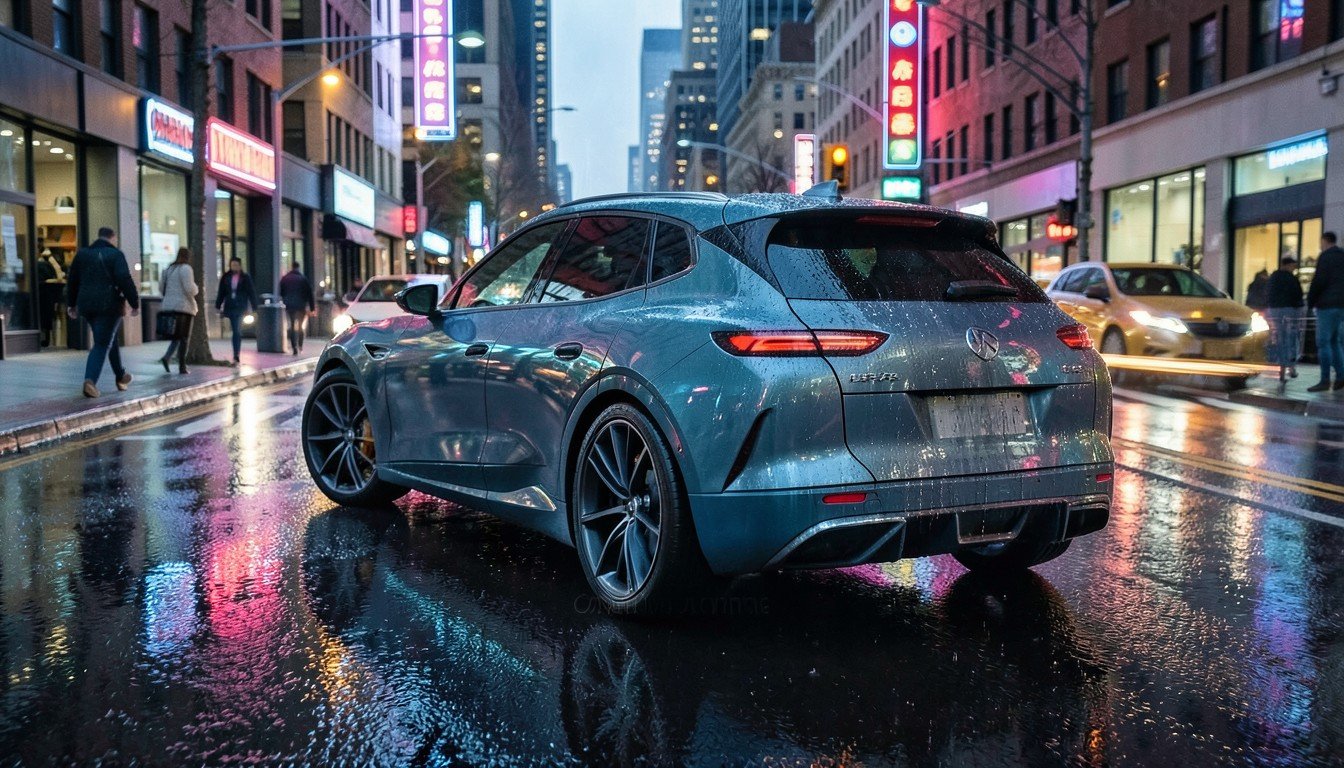
The HE1i’s ability to handle 120kW fast charging is a massive win for city dwellers. While you won’t always find high-speed chargers in every corner of a Tier-2 town, the network in metros like Delhi, Mumbai, and Bangalore is growing fast. If you’re commuting 30-40km daily, you’ll barely need a public charger more than once a week if you have a reliable home setup.
For public charging, the reality is that ultra-fast 120kW stations are still concentrated along major highways and select premium hubs. In smaller cities, expect a mix of 30kW to 60kW units. Just as we see automation trends like Boston Dynamics’ New Robot Hand: What It Means for Indian Factories changing how we build cars, the EV infrastructure is quietly evolving to match.
Pro-tip: Stick to charging between 20% and 80% at public stations to keep your battery healthy and costs down, as many providers charge premium rates for that final 20%. If you can, rely on slow overnight charging at home; it’s significantly cheaper and saves the battery from the stress of frequent fast-charging cycles. It is simply the most sensible way to own an EV in India right now.
Smart tech and ADAS – how far has Hyundai come?
Hyundai is finally bringing serious ADAS to this price bracket. We don’t have the full feature list yet, but expect the usual suite: adaptive cruise control, lane-keep assist, and blind-spot monitoring. In Indian traffic, these aren’t just toys. Adaptive cruise is a godsend on the Mumbai-Pune Expressway, and blind-spot warnings help you deal with the chaos of unpredictable two-wheelers cutting across your lane.
While luxury cars like the Mercedes-CLA Electric pack more advanced, long-range sensor tech, the HE1i is aiming for practical, urban safety. It’s a definite step up from basic parking sensors, though it might not offer the deep, predictive autonomy found in Kia’s newest global hybrids.
Inside, the HE1i leans into a tech-heavy cabin. You’re looking at dual-screen setups, wireless Apple CarPlay, and Android Auto. Connectivity is key here—expect deeper integration with local Indian apps for things like real-time charging station status. As noted in cartoq.com, the car is already being tested for fast-charging efficiency, which will likely be managed through the car’s smart energy dashboard. OTA updates should keep the software fresh, which is critical given how fast tech cycles change. Don’t expect self-driving miracles, but do expect a car that actually helps you manage the daily grind.
Who should buy the HE1i?
If you’re a professional dodging the bumper-to-bumper chaos of Gurgaon or Mumbai, the HE1i’s compact, boxy design is a clear winner. You get that high seating position without the headache of parking a massive SUV. It’s perfect for someone who wants premium tech—like dual-screen setups and ventilated seats—without the price tag of a luxury electric sedan.
Are you a first-time EV buyer? If you want to jump into the electric segment but feel overwhelmed by charging anxiety, this car’s expected 120kW fast-charging capability makes the transition manageable. Think of it like using modern tech to simplify your daily choices, similar to how to try on clothes virtually with ChatGPT – Step‑by‑Step Guide. It is all about making your routine more efficient.
For families, the high roofline suggests better cabin utility than your standard hatchbacks. While it won’t replace a massive three-row SUV, it offers plenty of space for city runs. If you reside in states like Maharashtra or Delhi, where road tax waivers and subsidies often sweeten the deal, the estimated Rs 10–14 lakh price range makes this a smart financial move. You’re essentially buying a future-proof city runabout.
Potential drawbacks and what to watch out for
While the boxy design promises a spacious cabin, we are still waiting for actual boot capacity and rear-seat legroom figures. Don’t assume "boxy" automatically means segment-leading space until you personally check the rear bench for knee room during a test drive.
Outside major metros, the service network readiness for a new-platform EV remains a legitimate question. While Hyundai has a vast footprint, specialized EV technicians and dedicated high-speed charging points are still sparse in smaller towns. If you live away from a tier-1 city, wait for the first six months of real-world ownership reports before diving in.
As noted by latestly.com, the Q4 2026 launch window is the target, but keep in mind that EV trim finalization often shifts. Delays in software calibration or battery supply chains can push timelines back, so don’t plan your big purchase around a specific date just yet.
Finally, resale value remains the great unknown for early-adopter EVs. Battery technology is moving so quickly that the HE1i’s tech might feel dated in four years. If you prioritize long-term equity, watch the depreciation trends of current entry-level electric SUVs before putting down your deposit.
How the HE1i could shift the compact EV market
If Hyundai nails that ₹10–14 lakh price bracket, Tata’s current stronghold on the sub-4-meter EV segment is in for a rude awakening. For years, the Nexon EV has enjoyed a near-monopoly, but the HE1i’s 500+ km range claim fundamentally changes the math for the average Indian buyer. This isn’t just another car launch; it’s a clear signal to global OEMs that the Indian middle class is ready to go electric if the value proposition hits the mark.
Hyundai’s entry will force incumbents to sharpen their pencils on both pricing and feature sets. As manufacturing shifts toward higher automation and battery localization to keep costs competitive, we might see changes in assembly line roles, similar to the broader shifts discussed in Are AI-driven layoffs looming for Indian workers?. More importantly, a high-volume EV like the HE1i creates a "pull" effect for infrastructure. With more of these cars on the road, private players will finally have a compelling business case to install 120kW fast chargers in tier-2 cities. When a mass-market giant bets big on local production, the rest of the ecosystem—from grid upgrades to service networks—eventually follows. It’s a classic case of supply creating its own demand.
Practical buying checklist for the HE1i launch week
When the HE1i finally hits showrooms, don’t just walk in and sign the papers. First, get your paperwork sorted: Aadhaar, PAN, and recent bank statements are non-negotiable for a smooth process. If you’re eyeing financing, look into the HDFC Flexi loan; it’s a smart pick for new EVs since it lets you adjust your EMIs as your cash flow changes.
For your test drive, don’t just check the steering feel. Ask the dealer explicitly about their battery replacement policy and what the real-world range looks like in peak summer traffic, as the 500km range claim is likely calculated under ideal conditions.
Quick Cost & Subsidy Prep
- Home Charging: Budget roughly ₹20,000 to ₹30,000 for a dedicated wall-box installation, depending on your home’s existing wiring.
- Subsidies: Check your state’s specific EV policy. Many states offer road tax exemptions or direct registration rebates that can save you a tidy sum beyond the showroom price.
Finally, keep your GST invoice handy if you’re buying this under a business name; the input tax credit can significantly lower your effective ownership cost. Remember, the dealer is there to sell, but you are there to invest. Don’t be shy about asking for an extended warranty on the battery pack.
Watch: New Hyundai HE1i EV 2026 🔥 Compact Electric SUV | Features, Range & Price
Frequently Asked Questions
When will the Hyundai HE1i be officially launched in India?
Hyundai is aiming for a Q4 2026 release for the HE1i. Keep in mind that "Q4" means we are looking at an arrival between October and December of 2026. While test mules are already hitting the streets, these timelines can shift based on production scaling, but for now, mark your calendars for the end of the next calendar year.
What is the expected price of the HE1i after subsidies?
While official pricing isn’t out, industry chatter points to a sticker price between Rs 10 lakh and Rs 14 lakh. At this point, it is unclear exactly how government EV subsidies will apply at the time of launch, so keep a little buffer in your budget. If Hyundai hits that sub-14 lakh mark, it will be a major challenge for the competition.
How does the HE1i’s range compare with the Tata Nexon EV?
The HE1i is making bold claims with a targeted 500+ km range. If they deliver on this, it will comfortably edge out the current mid-range Tata Nexon EV variants. Just remember that real-world range on Indian highways usually drops by 20-30% compared to ARAI figures. It is a promising step up, but wait for real-world tests before banking on that number.
Does the HE1i support fast charging on Indian networks?
Yes, the HE1i is being tested with 120kW fast charging capability. This is a big deal because it allows for much quicker top-ups during long hauls. You will need to find high-capacity chargers on the highway to actually use that speed, but it shows Hyundai is serious about making this car a practical choice for longer Indian road trips.
Is the HE1i Worth the Wait?
If you’re currently eyeing a Tata Punch EV or Nexon EV, the HE1i should definitely be on your radar. With a claimed 500km range and 120kW fast-charging capability, Hyundai is aiming for a spot in your driveway by Q4 2026. If the pricing holds at the expected Rs 10–14 lakh, it’s going to be a tough competitor for existing players in the Indian market.
Think of it this way: comparing car specs is a lot like checking phone hardware. Much like we track the OPPO Reno11 F 5G Malaysia Launch (March 2024): 64MP Camera, Price and Specs to see if the hardware justifies the hype, you should do the same here. Don’t book based on the buzz alone. Your next step? Wait for the official dealer demo units to arrive, take it for a long test drive, and see how the cabin ergonomics actually feel for your daily commute.
Sources and further reading
- Hyundai HE1i Compact Electric SUV to Launch in India by Q4 2026 — latestly.com
- Hyundai’s Cheapest EV (HE1i) Spied Doing Fast-Charging Tests Ahead Of Launch — cartoq.com
- Hyundai HE1i Spotted Testing: New Electric SUV With 500+ Km Range Coming to India — udaipurtimes.com
Discussion