
Key takeaways
- Tesla Optimus is entering production but will likely arrive in India after 2027.
- Its price may be competitive, yet total ownership costs and import duties matter.
- Indian manufacturers must address climate, language and regulatory hurdles.
- Early pilots and local software integration can speed up adoption.
Imagine a factory floor in Chennai where a humanoid robot, not a human, handles the repetitive, dangerous assembly line tasks. Tesla has officially signaled its intent to bring the Optimus humanoid robot to India at the "right time," according to recent reports from auto.economictimes.indiatimes.com. While we aren’t seeing a confirmed sticker price today, everyone is asking: what will the tesla optimus price in india actually look like when it finally lands? Whether you’re a tech enthusiast or a business owner curious about the humanoid robot price in india, the reality is that affordability will dictate adoption. We need to cut through the corporate messaging and look at the real-world logistics. Before we get into the heavy hardware, if you are looking for more affordable tech for your daily grind, check out our Infinix GT 50 Pro Review: Price in India and Gaming Bundle Verdict.
What is Tesla Optimus? – specs and production status
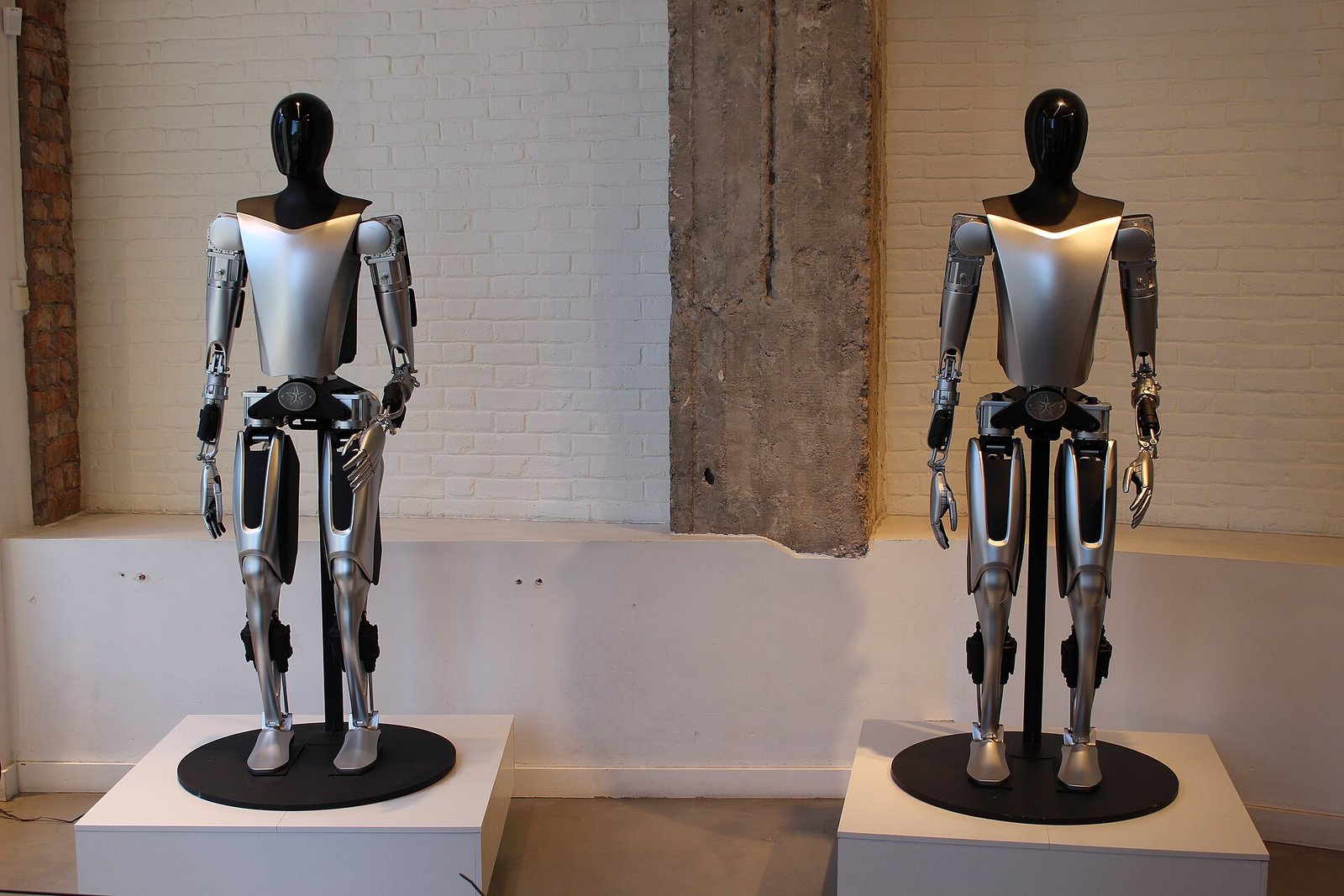
Think of Optimus not as a glorified toy, but as a mobile, general-purpose worker. Standing about 5’8” and weighing roughly 73kg, this humanoid is designed to handle a 20kg payload—ideal for warehouse shelves or repetitive assembly tasks. Tesla’s latest units, which began volume production in late 2026, feature a battery life intended to last a full workday on a single charge. Crucially, they use a sophisticated sensor suite, relying on cameras and neural networks to interpret their environment in real-time.
If you compare this to the 2022 "Bumblebee" prototype, the progress is stark. That early model was a proof-of-concept that barely shuffled; today’s machines are fluid, dexterous, and built for heavy lifting. While the first units were manually assembled in Fremont, Tesla has shifted to a dedicated high-volume production line to meet demand. For those tracking the Tesla humanoid robot price, remember that hardware is only half the story. The software powering these bots is evolving rapidly, much like What Is a Robotics Foundation Model? Inside India’s 50B-Parameter Leap. As we monitor the tesla optimus robot india rollout, we are essentially watching a high-stakes bet on whether robots can finally be as useful as they are expensive—and wondering what the final humanoid robot price in india will actually look like once import duties are factored in.
Why Indian manufacturers are watching Optimus
India’s industrial robot market is currently valued at roughly $12 billion, and it is expanding at a breakneck pace. As manufacturers race to scale, many are looking at the potential of a 130-kg humanoid to handle tasks that currently strain human staff or require expensive, fixed-arm automation.
In sectors like automotive assembly, FMCG packaging, and high-volume warehousing, the utility of a mobile, dexterous bot is obvious. Unlike a static robotic arm, a humanoid could theoretically move through tight factory floors to pick and place goods. Tesla has confirmed it plans to bring the Tesla humanoid robot to India when the time is right, hoping to boost efficiency.
However, industry analysts remain cautious. One lead automation consultant recently noted that while the vision is compelling, the "humanoid robot price in india" remains the biggest barrier to widespread adoption. Beyond the upfront cost, there are concerns about power reliability and the technical support needed for such complex hardware. For an Indian factory floor owner, a robot is not just a machine; it is a long-term asset that must be cheaper than manual labor to justify the investment. Until then, the Tesla optimus robot india strategy remains a "wait and see" prospect for most.

Cost vs. value: can Optimus be affordable for Indian firms?
Elon Musk has hinted at a price point between $2,500 and $3,000 for the Optimus. In local terms, that puts the potential tesla optimus price in india somewhere between ₹2.1 lakh and ₹2.5 lakh. While that sounds like a steal for a humanoid, don’t let the sticker price fool you. The total cost of ownership involves much more than the initial purchase.
Think about the recurring overheads: regular maintenance for actuators, high-speed connectivity for cloud-based brain updates, and electricity consumption. If you are comparing this to the current humanoid robot price in india, you have to look at established players like the Unitree Guardian or even local prototypes like the Mahindra i-Guard. These machines are already being tested in niche sectors.
Before you commit your budget, remember that hardware is only half the battle. If you want to integrate these units effectively, you should look at Sales Forecasting Using AI: A Low-Cost Playbook for Indian Small Businesses to see if your operational margins can actually support such an investment. A Tesla humanoid robot price under ₹3 lakh is attractive, but only if the machine can handle a three-shift factory cycle without constant downtime or expensive service visits.
Regulatory and import hurdles in India
Before you dream of having an Optimus unit on your factory floor, we need to talk about the red tape. Importing advanced robotics into India isn’t just about paying the sticker price. Right now, you’re looking at an import duty of roughly 30% on robotics hardware. That surcharge alone could push the price of a humanoid robot well out of reach for smaller Indian firms.
Then there is the bureaucratic hurdle. The Ministry of Electronics and IT (MeitY) mandates rigorous safety certifications for any autonomous machine interacting with humans. If Tesla wants to bring Optimus here, they will need to prove these units are safe for our often chaotic industrial environments.
However, there is a clear path forward. We have seen giants like ABB and Fanuc successfully bypass these trade barriers by shifting from pure imports to localized assembly. If Tesla wants to make a dent in the Indian market, as mentioned in rediff.com, a ‘Make in India’ approach is likely the only way to dodge those heavy import taxes. Local manufacturing would not just trim the costs; it would create the necessary service ecosystem we desperately need for complex humanoid maintenance.
Real‑world use cases: from assembly lines to last‑mile delivery
Imagine a car-engine assembly plant in Pune. Currently, workers endure back-breaking, repetitive tasks like bolting heavy components or sorting fasteners for hours. Optimus could step in here, handling the "dangerous tasks" that Tesla APAC chief Isabel Fan recently highlighted, reducing physical strain on human teams.
Shift the scene to a large e-commerce warehouse in Delhi. Instead of relying solely on fixed conveyors, an Optimus unit could act as a mobile inventory picker, navigating narrow, cluttered aisles to locate and retrieve specific parcels. It is about bringing agility to spaces where traditional, bolted-down robotics simply fail to move.
Finally, consider India’s evolving smart-city housing projects. A pilot program could involve Optimus providing doorstep assistance, perhaps carrying heavy groceries or medical supplies for elderly residents in high-rise complexes. If you are looking for ways to streamline operations in the property sector while waiting for this tech, don’t miss our guide on 15 AI Prompts for Real Estate Agents to Sell Properties Faster. While these use cases sound futuristic, the real bottleneck remains the cost of scaling. For an Indian business, paying for a humanoid robot only makes sense if it out-works a human team without the overhead of constant repairs. We are years away from seeing these bots on our streets, but the potential to change how we work is real.
Technical challenges that could delay Indian rollout
Bringing a robot as complex as Optimus to India isn’t just about shipping hardware; it’s about surviving our environment. First, there’s the heat. Indian summers are brutal on lithium-ion batteries, and keeping these machines cool in 45-degree temperatures requires heavy-duty thermal management that hasn’t been tested at scale here. If the internal systems overheat during a shift, the robot simply stops working.
Then, consider the intelligence. For Optimus to be useful, it cannot just speak English. It needs to process instructions in Hindi, Tamil, and other regional languages to work effectively on a shop floor or in a home. The AI models must be trained on local speech patterns, accents, and even specific workplace jargon to avoid costly errors.
Infrastructure is another hurdle auto.economictimes.indiatimes.com. These robots need more than just a standard 220V power point; they require stable voltage, as power spikes can fry delicate sensors. You’ll also need high-speed, low-latency Wi-Fi to keep them connected, plus dedicated safety zones to ensure they don’t collide with human workers. Think of it like setting up a high-precision lab rather than just plugging in a common appliance. We aren’t quite there yet, which is why a 2027 arrival feels ambitious.
What timeline is realistic? A 2027‑2029 roadmap
If you are waiting for a Tesla humanoid robot price to drop in India, 2027 is likely too soon for a full-scale rollout. Tesla began volume production in the US in late 2026, and Musk is targeting sales for 2027. Looking at the timeline for the Model Y, which took time to build a service network here, we should expect a similar lag for hardware as specialized as Optimus.
Realistically, we are looking at a 2027–2029 window for the Indian market. First, we will likely see limited imports for high-end industrial testing. Think of this as the "wait and watch" phase for early adopters.
A Phased Adoption Strategy
- 2027-2028 (Pilot Phase): Large Indian manufacturers test units in controlled environments to replace dangerous manual tasks.
- 2028-2029 (Limited Rollout): Small batches arrive for specific logistics or assembly line functions.
- 2029+ (Scale): Potential for localized assembly if demand justifies the massive investment.
While you wait, keep an eye on how competitors are positioning their tech, specifically BYD’s Humanoid Robot: What It Means for Indian Homes and Factories. The Tesla Optimus robot in India will not be a plug-and-play solution overnight; it will require serious site preparation before it starts lifting heavy loads on our factory floors.
How Indian startups can prepare now
If you are running a tech startup, don’t just sit around waiting for an official price tag. While Tesla has confirmed they will bring the robot to our shores at the "appropriate time," you can start building the necessary groundwork today thehindu.com.
First, focus on the software stack. Since Optimus operates on Tesla’s proprietary AI architecture, your dev team should look into creating middleware or APIs that can interface with these neural networks. If you can build software that maps local factory data to Tesla’s vision systems, you will be miles ahead of the competition.
Second, safety is not just a manual; it is a culture. Start training your assembly line staff on human-robot collaboration protocols now. When these units eventually arrive, you won’t want to waste months on basic safety audits and retraining.
Finally, keep a close watch on government incentives. The Production-Linked Incentive (PLI) schemes for robotics are your best friends. Aligning your R&D with these guidelines could significantly offset the initial acquisition costs. While others are obsessing over the humanoid robot price in India, you should be busy building the local ecosystem that actually makes these machines functional.
Frequently Asked Questions
When will Tesla start shipping Optimus to India?
Tesla hasn’t set a hard date for a local release. While they kicked off volume production in the US in late 2026, the timeline for the tesla optimus robot india launch depends on when the company feels the market is truly ready. APAC chief Isabel Fan has confirmed their intent, but with the current focus on scaling local charging infrastructure, don’t expect a shipment before 2027.
How much will an Optimus robot cost in Indian rupees?
We don’t have an official Tesla humanoid robot price yet, let alone a converted rupee figure. Sales haven’t even officially begun to the public in the US. Once they do, remember that import duties and local taxes will significantly inflate any global sticker price. For now, any specific rupee estimate you see floating around online is just pure, unverified guesswork.
Can Optimus work in Indian factories with high temperatures?
Tesla hasn’t released specific thermal tolerance specs for the robot. Most industrial machines are built for climate-controlled environments, but our extreme summer heat could pose a massive challenge for battery longevity and sensor accuracy. Until we see the unit in action on a local shop floor, we shouldn’t assume it can handle the sweltering heat of a non-air-conditioned Indian warehouse without serious modifications.
What safety certifications does Optimus need for Indian use?
India has strict Bureau of Indian Standards (BIS) requirements for electronics and industrial machinery. Tesla will need to navigate these to ensure the robot meets local safety protocols for human-robot interaction. Since there is no established regulatory framework for humanoid robots currently in the country, the government might need to draft new guidelines before you see one working alongside human staff.
Beyond the Hype: Preparing for the Optimus Era
So, when can you actually expect to see a Tesla humanoid robot price tag in local currency? If we track the US trajectory, a 2027-2029 window for a commercial rollout in India feels like the most grounded forecast. While the company is already scaling production in California, bringing such tech to our shores requires clearing complex regulatory hurdles first. Expect the tesla optimus price in india to be a steep premium initially, likely targeting high-end industrial clients before reaching smaller enterprises.
Don’t wait for the hardware to arrive before you start innovating. If your startup is working with robotics, stop focusing solely on the bot and start perfecting the software stack that trains it. Think about integration—how will these machines interact with existing Indian factory systems?
Just as you’d compare the Ducati Hypermotard V2 Price in India: Specs, Mileage & Rivals Compared before committing to a ride, keep a close watch on global pricing trends. For now, focus on your internal automation workflows. The future isn’t just about the robot; it’s about being ready when it finally walks through the door.
Sources and further reading
- Tesla to introduce Optimus Humanoid Robot in India at appropriate time: APAC Chief — auto.economictimes.indiatimes.com
- Tesla drives in YL, its 2nd model in India, plans to bring humanoid robot Optimus to India — rediff.com
- Tesla will bring humanoid robot Optimus to India at appropriate time: Official — thehindu.com


Join the conversation