
Key takeaways
- State-sponsored actors like the Lazarus Group use sophisticated social engineering to target exchange infrastructure.
- Centralized exchanges remain primary targets due to the high concentration of liquidity in hot wallets.
- Individual investors should prioritize self-custody via hardware wallets to mitigate systemic exchange risks.
- Transparency from exchanges during recovery efforts is essential for maintaining user trust after a breach.
When a single hack drains $6.3 billion in assets, it is natural to stop and wonder: is crypto high risk? If you have spent any time in the market, you know the answer is not a simple yes or no. The recent breach at Binance, which the FBI linked to North Korean actors, serves as a harsh reminder that even the largest platforms face constant, sophisticated threats. It is a sobering reality check for anyone asking why investing in crypto risky behavior can feel like walking a tightrope. As research from manilatimes.net shows, just because a wallet functions normally does not mean it is truly safe from underlying vulnerabilities. Before you dismiss these concerns, you should look at Has Binance Ever Been Hacked? Security and Self-Custody Guide. In this article, we will break down how state-sponsored groups operate and what you can actually do to protect your digital footprint.
The Anatomy of a $6.3 Billion Breach
When news broke of the $6.3 billion Binance breach, many of us had to stop and re-read the numbers. This wasn’t just another small exploit; it was the largest crypto heist in history, occurring in a matter of minutes as attackers bypassed exchange-level wallet infrastructure. While the FBI has since linked this activity to North Korean actors, the sheer velocity of the drain reminds us that crypto asset security risks are far from academic.
People often ask, "is crypto high risk?" If you look at this event, the answer is nuanced. There is a massive difference between the security of a centralized exchange and your personal, self-custody setup. When you keep funds on a major platform, you are essentially trusting their multi-layered, internal security protocols. When those protocols fail, the impact is systemic. In contrast, self-custody shifts the burden to you. If you want to understand how modern setups mitigate these risks, it is worth looking at How Google MPC Crypto Wallet Works: Security Explained to see how different architectures function.
To put the scale into perspective, this $6.3 billion loss dwarfs previous historical heists. It wasn’t a slow drain but a surgical strike on the exchange’s hot wallet systems. While Binance moved quickly to cover 90% of user losses, the incident serves as a stark reminder that even the most liquid, "professional" platforms remain high-value targets for state-sponsored attackers.
The Lazarus Group and State-Sponsored Tactics
The FBI’s recent attribution of the $6.3 billion Binance heist to North Korea’s Lazarus Group fundamentally changes how we view digital asset security. Unlike the typical opportunistic hacker looking for a quick payout, these actors operate with the backing of a sovereign state. They do not just want immediate profit; they require hard currency to bypass international sanctions that have long crippled their domestic economy.
When you ask yourself "is crypto high risk," you should consider these objectives. State-sponsored groups are not motivated by market volatility or retail sentiment; they treat digital assets as a strategic slush fund. The ‘TraderTraitor’ campaign is their signature approach, often involving sophisticated social engineering to infiltrate the internal networks of crypto-focused companies and exchange employees.
This evolution in tactics makes the threat environment incredibly difficult to manage. Here is how these actors differ from common cybercriminals:
| Feature | Traditional Cybercriminal | State-Sponsored Actor |
|---|---|---|
| Primary Goal | Personal enrichment | Regime funding |
| Time Horizon | Immediate exit | Long-term laundering |
| Targeted Assets | Retail hot wallets | Centralized exchange infrastructure |
The sheer scale of these heists, which has caused major institutional players—like those cited in 247wallst.com—to reconsider their exposure, highlights the systemic nature of these attacks. The Lazarus Group does not just steal; they systematically exploit infrastructure to keep their operations running while the global community struggles to track the movement of billions across the blockchain. This is not just a technical failure; it is a geopolitical war being waged in code.

Why Centralized Exchanges Remain High-Value Targets
When you wonder "is crypto high risk," look no further than the centralized exchange (CEX) model. Exchanges act as massive, honeypot-style reservoirs of liquidity. To keep things running smoothly, these platforms must maintain substantial "hot wallet" balances—crypto that is immediately available for your trades or withdrawals. If an exchange kept 99% of its assets in offline cold storage, your withdrawal might take days, making the platform feel clunky and unresponsive.
This creates a brutal trade-off. Exchanges are forced to balance instant accessibility with extreme security. The more liquid the wallet, the more attractive it is to state-sponsored actors. These hackers don’t just strike blindly; they monitor on-chain activity, watching how exchanges manage their reserves and timing their incursions for when the system is most vulnerable. It’s a constant game of cat and mouse where the prize is billions of dollars.
For individual users in places like India, understanding this custodial tension is vital. While we want the convenience of a CEX, we cannot ignore the inherent risk of trusting a third party with our private keys. As you manage your own portfolio, consider tools that help monitor your exposure, such as How to Secure Crypto: Google’s New Security Tools for Indians. Always remember that when funds sit on an exchange, you aren’t just holding tokens; you’re holding a promise from the exchange that they haven’t been compromised.
The Role of ‘TraderTraitor’ in Modern Heists
When we ask if "is crypto high risk," we often focus on market volatility, but the real story is often technical. The ‘TraderTraitor’ campaign, linked by the FBI to recent events, shows how sophisticated actors operate. Instead of a direct "smash and grab," they use social engineering to target individual developers. They often pose as recruiters or potential partners on platforms like LinkedIn or Telegram, building trust before sending a seemingly harmless file—usually a job description or a code snippet—that contains hidden malicious software.
Once this malware lands on a developer’s machine, it harvests credentials, gaining a foothold in the corporate environment. This is why endpoint security isn’t just an IT buzzword; it is a critical line of defense. If a single laptop is compromised, the entire network can be at risk. As noted by cnn.com, these hacks remind us that once-trusted access points are now primary attack vectors. The lesson here is clear: human error remains the weakest link. Even if you use a secure exchange, your own habits—like downloading unverified files—can undermine the collective security of the entire ecosystem.
How Binance Responded: Liquidity and Recovery
When a $6.3 billion theft hits, the immediate question is simple: can users get their money back? Binance moved quickly to address this, publicly confirming that they covered 90% of the losses. By tapping into their own reserves, the exchange replenished affected user balances, a move clearly intended to restore confidence after the massive breach.
They didn’t just dump all liquidity back at once, though. Binance implemented a phased resumption of Bitcoin and Ether withdrawals. This was a calculated step to ensure market stability and prevent a frantic "bank run" scenario that could have further rattled the ecosystem. It is a stark reminder of why many people ask, "is crypto high risk?" Even on massive platforms, the centralized nature of these exchanges creates a single point of failure that sophisticated actors are eager to exploit.
For those curious about the aftermath, Can Blockchain Transactions Be Traced? How Forensics Finds Stolen Crypto highlights the ongoing battle to track these illicit funds. The incident has forced a new level of operational transparency, as the exchange is now under immense pressure to prove its remaining reserves and security protocols are truly as solid as advertised.
Custody Evolution: Moving Beyond Hot Wallets
If you’re still keeping your entire portfolio in a hot wallet on an exchange, you’re exposing yourself to unnecessary threats. The recent $6.3 billion Binance breach proves that centralized platforms remain prime targets for sophisticated actors. To mitigate these crypto asset security risks, institutions are increasingly adopting Multi-Party Computation (MPC). Unlike traditional single-key setups, MPC splits private keys into fragments distributed across different environments, ensuring no single point of failure.
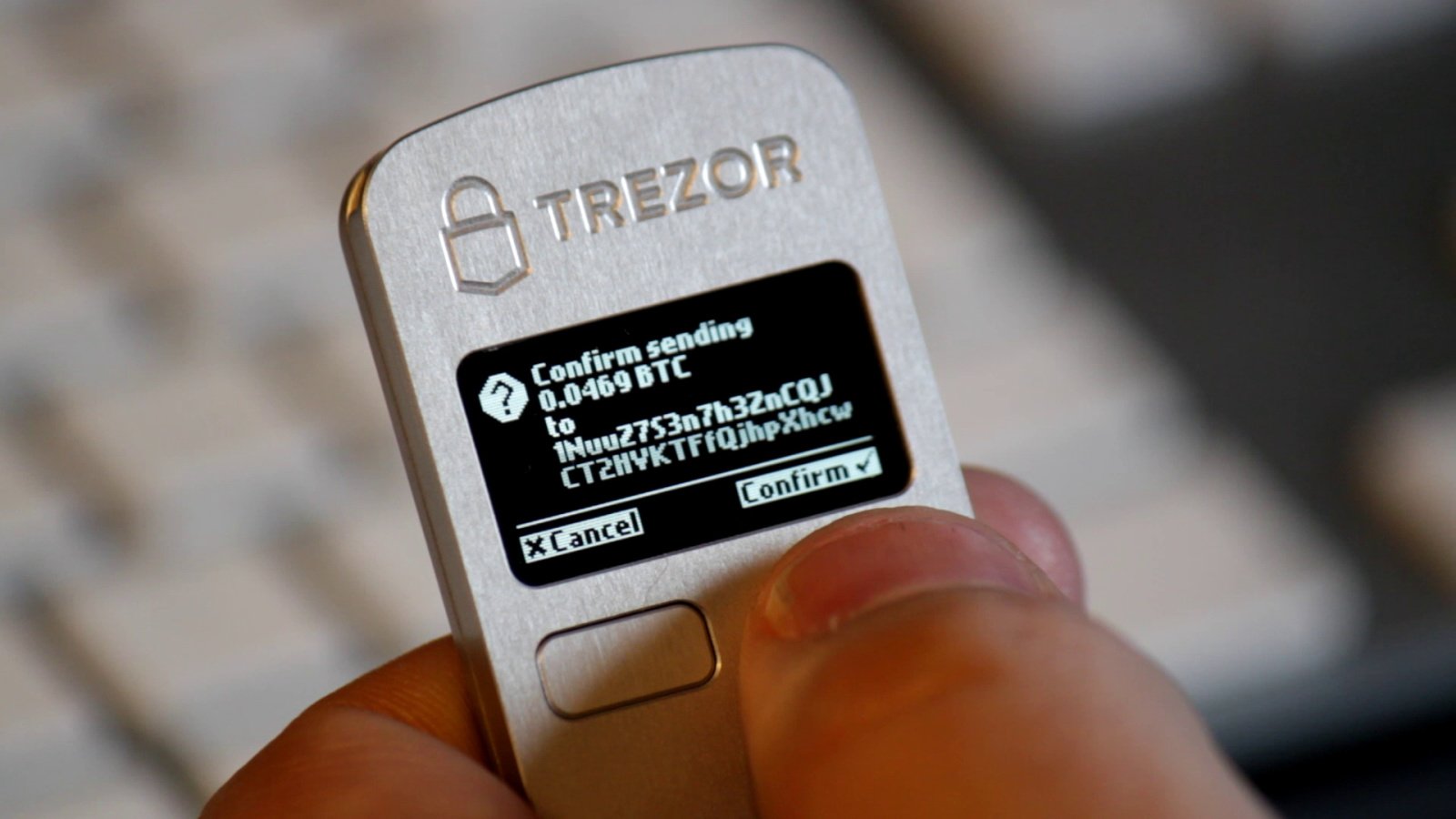
For individual users, however, cold storage remains the gold standard. By keeping assets offline, you essentially remove the surface area for remote hacks. When you move funds to a hardware wallet, you are taking control of your security, though it does mean you’re responsible for your own backups.
Choosing between a global custodial platform and self-custody comes down to a trade-off: convenience versus control. While institutions often use geographic diversification—storing shards of keys in secure locations across different jurisdictions to minimize regional risks—the average investor should focus on proactive monitoring. As noted by manilatimes.net, just because a wallet functions normally doesn’t mean it’s risk-free. You should conduct regular security checkups to identify high-risk transactions before they impact your balance. Understanding how risky is crypto is the first step toward better habits. Whether you choose a hardware device or an institutional-grade MPC provider, the goal is clear: isolate your assets from the chaos of the open internet.

Regulatory Responses to State-Linked Theft
After a heist of this magnitude—$6.3 billion—governments are no longer treating digital assets as a side project. They are pivoting toward aggressive oversight of state-sponsored actors. International cooperation has shifted from optional to essential, as agencies like the FBI work across borders to link specific entities to these massive outflows.
Why is investing in crypto risky when state actors get involved? Because your assets could be caught in a massive sanctions dragnet. Regulators are now prioritizing sanctions enforcement, treating major crypto exchanges with the same scrutiny as traditional banks. In India, users must stay mindful of how these global shifts affect local compliance. If you are managing your portfolio, checking How to File Crypto Tax in India: A 2026 Guide is a smart move to stay ahead of reporting requirements that often tighten following high-profile security crackdowns.
The biggest hurdle for regulators remains the use of decentralized mixers. Once stolen funds hit these protocols, tracing them becomes a technical nightmare. While intelligence systems like D4U monitor millions of records daily, mixers essentially hide the path, making it nearly impossible to prove illicit ownership. This is why asking "is crypto high risk" is a question every serious investor needs to weigh; even if you are careful, the broader infrastructure remains a playground for sophisticated actors who exploit these anonymity gaps to launder billions.
Practical Steps for Individual Asset Protection
If you are keeping significant wealth on a centralized exchange, you are essentially borrowing trouble. While platforms like Binance can replenish funds—as seen in their recent recovery efforts—relying on them as a primary vault is a gamble. When you ask yourself "is crypto high risk," realize that systemic exchange hacks are a major contributor to that reality.
Audit Your Security
Start by tightening your account settings today. If you haven’t enabled multi-factor authentication (MFA) using an authenticator app, do it now; SMS codes are far too easy for modern attackers to intercept. Review your active API keys and whitelist only the withdrawal addresses you personally control.
The Hardware Solution
For long-term storage, shift toward hardware wallets. By keeping your private keys offline, you remove your assets from the target list of state-sponsored actors. Even companies like Next Technology Holding have recently evaluated their exposure, opting to reconsider their holdings amidst broader market concerns 247wallst.com. While no method is perfect, hardware storage remains the gold standard for personal custody.
Remember, why is investing in crypto risky? Because it forces you to be your own bank. Every digital asset carries inherent volatility and security risks that no software patch can fully eliminate. Always perform your own risk assessments before moving funds, and never leave more on an exchange than you are comfortable losing in an instant.
Frequently Asked Questions
Is it safe to keep my crypto on a centralized exchange after this hack?
While major exchanges often have insurance or recovery funds—like Binance covering 90% of the recent $6.3 billion heist—the risk remains. You must ask: is crypto high risk when held by a third party? Centralized platforms are massive honey pots for state-sponsored actors. Keeping funds there is convenient for trading, but for long-term storage, self-custody is usually the safer choice.
How do I know if my personal account was affected by the Binance breach?
Check your official notifications and account history directly on the exchange platform. Avoid clicking suspicious emails claiming to be from support. Instead, use independent tools like those from D4U, which has performed over 1.28 million security checkups. They help identify if your address has interacted with high-risk transactions, providing a proactive layer of security beyond simple exchange updates.
What is the Lazarus Group and why do they target crypto exchanges?
The FBI identifies the Lazarus Group as a state-sponsored actor linked to North Korea, often deploying sophisticated tools like "TraderTraitor" to infiltrate infrastructure. They target exchanges because these platforms hold massive liquidity, making them lucrative for funding state activities. Understanding these crypto asset security risks is vital; these are organized groups that view digital assets as prime targets for state-level financial gain.
How can I move my assets to a self-custody wallet for better security?
To take control, transfer your assets from the exchange to a hardware or non-custodial software wallet. This removes your funds from the "centralized" target zone. Before moving large amounts, use a risk-scanning tool to ensure the receiving address is clean. Remember, self-custody means you are responsible; always keep your seed phrase offline and perform regular security audits to mitigate why is investing in crypto risky.
Taking Charge of Your Digital Assets
So, is crypto high risk? After seeing a $6.3 billion heist linked to state-sponsored actors like the Lazarus Group, the answer is a clear, resounding yes. You shouldn’t assume your assets are untouchable just because an exchange is a global household name. While Binance moved to cover 90% of the losses, relying on a third party to "make you whole" after a systemic catastrophe isn’t a financial strategy—it’s a gamble.
If you hold significant assets, you must move beyond simple password protection. I always tell friends that if you do not own your private keys, you do not truly own your coin. Take a look at the Best Way to Keep Crypto Safe: Lessons from Indian Exchange Hacks to see how seasoned users have learned these hard lessons. My advice? Move your long-term holdings to a hardware wallet today. Proactive isolation is the only way to sleep better at night.
Sources and further reading
- D4U | Crypto Risk Isolation Labs Reports Wallet Security Findings: Over 86,000 High-Risk Transactions Identified — manilatimes.net
- Hackers just stole $6 billion in crypto. It’s not the first time, and it won’t be the last — cnn.com
- A Nasdaq Company Just Cleared the Sale of Its 5,833 Bitcoin, Citing Quantum Risk. Is That a Real Reason to Sell BTC? — 247wallst.com



Join the conversation