
Key takeaways
- Internal process failures at exchanges are a significant, often overlooked, source of crypto loss.
- Always sweep funds from old or retired wallets to prevent them from becoming forgotten liabilities.
- Be cautious when using ‘speed-up’ transaction features; ensure your wallet software is verified and up-to-date.
- Diversify your storage methods to ensure that a failure at one platform does not compromise your entire portfolio.
When India’s largest crypto exchange announced a $16 million loss due to a simple internal process failure, it served as a brutal wake-up call for every one of us holding digital assets. We often assume that because an exchange is "big," our funds are untouchable. But the reality is that the best way to keep crypto safe doesn’t start with blind trust; it starts with healthy skepticism.
Whether you are worried about an Indian crypto exchange being hacked or simply want to understand the basics, you have to stop being a soft target. As noted by digit.in, the responsibility of securing your wealth rests entirely on your shoulders. In this guide, we break down why retired wallets are high-risk, how to audit your storage, and the practical steps to keep your crypto wallet secure in India.
The $16 Million Exchange Loss: Anatomy of an Internal Failure
When we talk about the $16 million loss at a major exchange, the headlines scream "hack," but the reality is more mundane. This wasn’t a master thief breaking a digital vault; it was an internal process failure involving a retired wallet that should have been decommissioned long ago.
In the industry, we often treat "retired" wallets as ghosts—they sit there with residue, but are largely forgotten. If you want to know the best way to keep crypto safe, you must realize the most significant threats often come from within. A wallet no longer in use remains a live gateway if the private keys were not properly purged from the server environment.
Internal process failures occur far more frequently than cinematic external hacks. A misconfigured database or a developer leaving a test key in a repository is a much easier way to lose funds than brute-forcing a cold storage vault. While investors obsess over market volatility—or What is a Leveraged Crypto ETF? Risks and Volatility Explained—they often ignore the basic operational hygiene of the platform holding their assets.
For Indian exchanges, managing dormant assets is a major challenge. As regulations tighten, platforms must implement strict decommissioning protocols, ensuring old infrastructure is fully scrubbed. If an Indian crypto exchange gets hacked because of a forgotten wallet, it is a failure of accountability that hits your balance directly.
What the eMudhra Security Incident Means for Digital Signatures
When we talk about the best way to keep crypto safe, we usually focus on our private keys. But the recent eMudhra incident reminds us that our security is only as strong as the infrastructure behind it. They acknowledged weak crypto keys, which is a massive red flag. Digital signatures aren’t just for signing PDFs; they are the bedrock of secure identity, access management, and transaction validation.
Think of it this way: if your digital signature provider uses outdated encryption, your identity—and potentially your authorized access to various crypto platforms—is inherently vulnerable. As noted in recent analysis by financialexpress.com, the risk of platforms effectively losing their value overnight makes this reliance on third-party security critical.
If you use digital signatures for business or sensitive personal verification, don’t just assume they are secure. You need to verify:
- Check that your tools utilize RSA-2048 or higher encryption standards; anything less is effectively obsolete.
- Look for current compliance reports from the Controller of Certifying Authorities (CCA).
- Ensure your specific signing software supports the latest SHA-256 hashing algorithms.
If your tools don’t meet these benchmarks, you’re essentially leaving a digital door unlocked. In an environment where headlines about an Indian crypto exchange hacked are becoming common, treating your digital signature tools as a vital extension of your personal security layer is the only way to stay ahead of the curve.

The Danger of ‘Speed-Up’ Features in Bitcoin Wallets
When your Bitcoin transaction gets stuck because the network is congested, it is tempting to hit that "speed-up" button. But recent reports show this is a prime moment for attackers. If you are wondering about the best way to keep crypto safe, you need to understand Replace-By-Fee (RBF).
RBF is a protocol feature that lets you replace an unconfirmed transaction with a new one that pays a higher fee. It is useful, but it is also a technical trapdoor. A bug in some wallets allows rogue servers to intercept your request. When you trigger a speed-up, the malicious server does not just bump your fee; it replaces the destination address with its own. You might be staring at the screen thinking you are just paying a bit more in miner fees, but in reality, you have authorized a new transaction that drains your wallet.
If your transaction is pending, here is how to handle it safely:
- Avoid using third-party "accelerator" services you find on obscure forums; they are often fronts for theft.
- Stick to official, open-source wallet software where the RBF process is transparent.
- If the fee is too low, wait it out. A stuck transaction is annoying, but it is better than an empty account.
- Check your transaction hex data before signing any "speed-up" request to ensure the recipient address remains unchanged.
Patience is your best defense against these automated traps.
Why Retired Wallets are High-Risk Assets
When you upgrade your security, you might archive an old mobile app or move your assets to a hardware device. We often treat these "retired" wallets like a forgotten cupboard in the back of the kitchen—out of sight and out of mind. But in the crypto world, an inactive wallet is basically a wide-open door.
A retired wallet is any account, software interface, or hardware device you stopped actively using but haven’t formally decommissioned. While active hot wallets get constant security patches and 2FA upgrades, these forgotten pockets of your digital life often lack any real monitoring. As noted by sify.com, the ease of online access remains a major vulnerability. If you do not keep an eye on it, you will never know it has been compromised until your balance hits zero.
The real danger lies in "dust"—those tiny, forgotten fractions of Bitcoin or Ethereum left behind in an exchange account you stopped using years ago. Hackers love these because users rarely check them. If an exchange gets breached, those residual balances are often the first to vanish.
Before you fully retire an old wallet, you need a cleanup protocol:
- Sweep Everything: Transfer every single satoshi to your primary, secure wallet.
- Disable Access: If it is an exchange account, delete the API keys and close the account entirely.
- Secure the Seed: If it is a software wallet, wipe the device and destroy the recovery phrase.
Don’t leave digital breadcrumbs for hackers. An inactive wallet is not a safe; it is a liability.
A Practical Guide to Auditing Your Crypto Storage
Start by creating a simple spreadsheet to map out where your coins live. If your portfolio is split between an exchange and a hardware device, you need to see that clearly. Mark assets on exchanges as "custodial" and your private wallets as "self-custodial." The best way to keep crypto safe is to realize that anything on an exchange is essentially a loan to that company. If they have an internal failure, your access disappears.
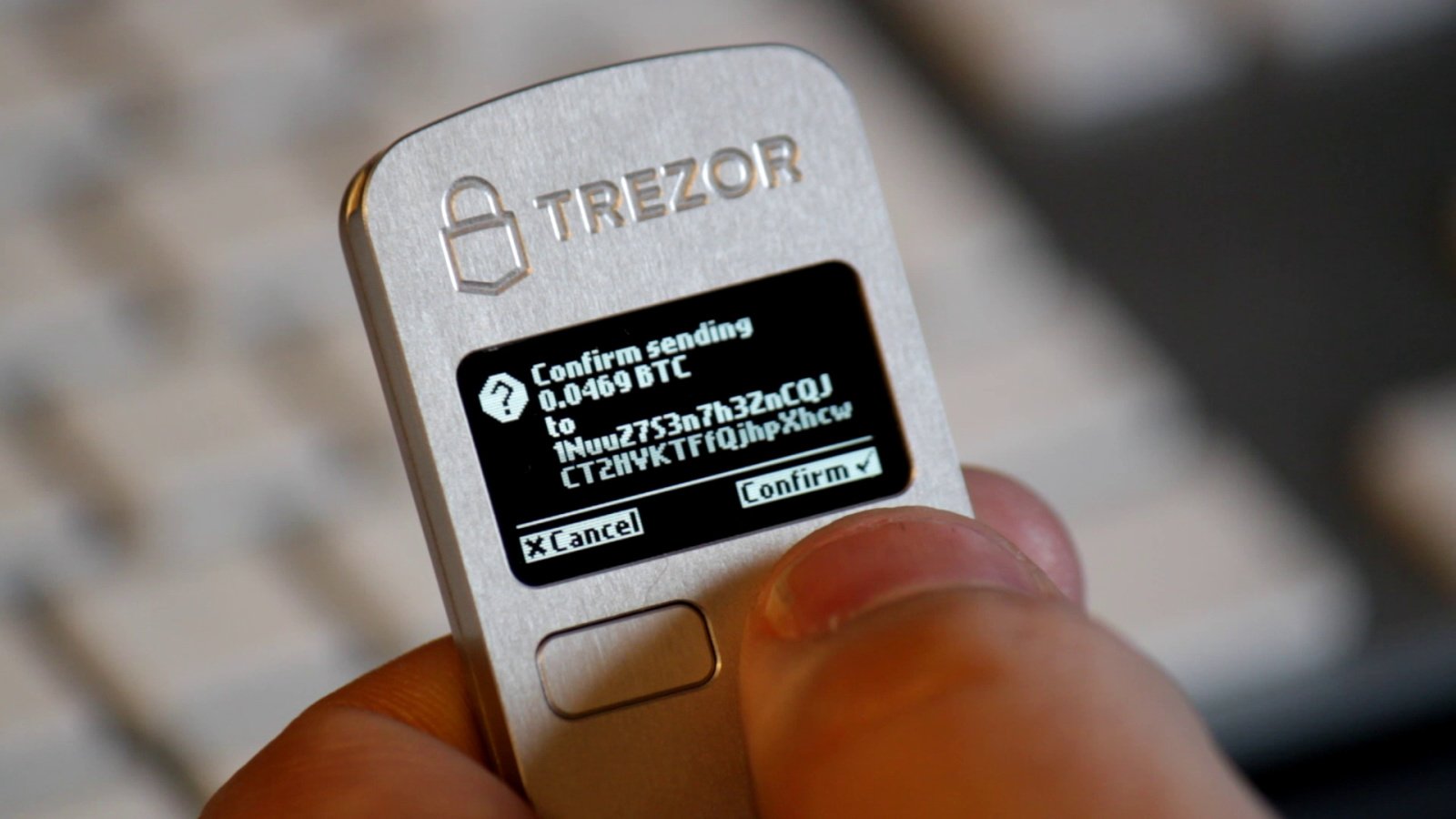
Next, look at your hardware. If you haven’t plugged in your cold wallet for six months, it’s time. Check for firmware updates immediately. Manufacturers release patches to fix vulnerabilities that hackers exploit. Using outdated software is like leaving your front door unlocked.
Your Recovery Checklist
- Verify your seed phrase: Ensure your physical backup is stored in a fireproof, waterproof container. Never store it digitally. Much like you might How to Lock ChatGPT Chats: A Step-by-Step Guide for Private Conversations to keep your notes private, treat your seed phrase with even more extreme caution.
- Test the restore: If you have a spare device, try restoring your wallet from your backup seed. If it works, you have a solid recovery plan.
- Minimize exchange exposure: If you aren’t actively trading, move those coins to a private, cold storage wallet.
This audit isn’t a one-time task; make it a habit every quarter. When you take control of your keys, you stop waiting for an exchange to save you.
Exchange Custody vs. Self-Custody: A Realistic Comparison
Deciding between keeping your assets on an exchange or moving them to a private wallet is the most fundamental choice you will make. Exchanges offer a familiar, banking-like experience. For many in India, using a platform like WazirX or another trusted exchange is the easiest way to start trading. However, when an Indian crypto exchange gets hacked or suffers an internal process failure—like the recent $16 million loss tied to retired wallets—the reality of custodial risk hits home. You are essentially trusting a third party to manage your security.
Self-custody, on the other hand, puts the "best way to keep crypto safe" squarely on your shoulders. You hold the private keys, meaning no internal exchange bug can freeze your funds. But this is not for the faint of heart. It requires genuine technical literacy; if you lose your seed phrase, those funds are gone forever. There is no customer support desk to reset your password or recover your access.
The balanced approach is often the smartest strategy:
- Exchange for Liquidity: Keep small, active trading amounts on reputable, regulated exchanges.
- Cold Storage for Wealth: Use hardware wallets for your long-term holdings to ensure your Bitcoin wallet security is truly offline.
- Diversification: Never store your entire portfolio in one single account.
By splitting your assets, you ensure that even if one method fails, you are not entirely wiped out. Security is about layering your defenses, not just picking one perfect solution.
Risk Mitigation: Building a Personal Security Layer
Security isn’t just about a strong password; it’s about removing single points of failure. If you want the best way to keep crypto safe, start with a multi-signature wallet. This setup requires multiple keys to authorize a single transaction, meaning that even if one device is compromised, your funds stay locked behind a second or third authorization. For any serious investor, this is the gold standard for Bitcoin wallet security.
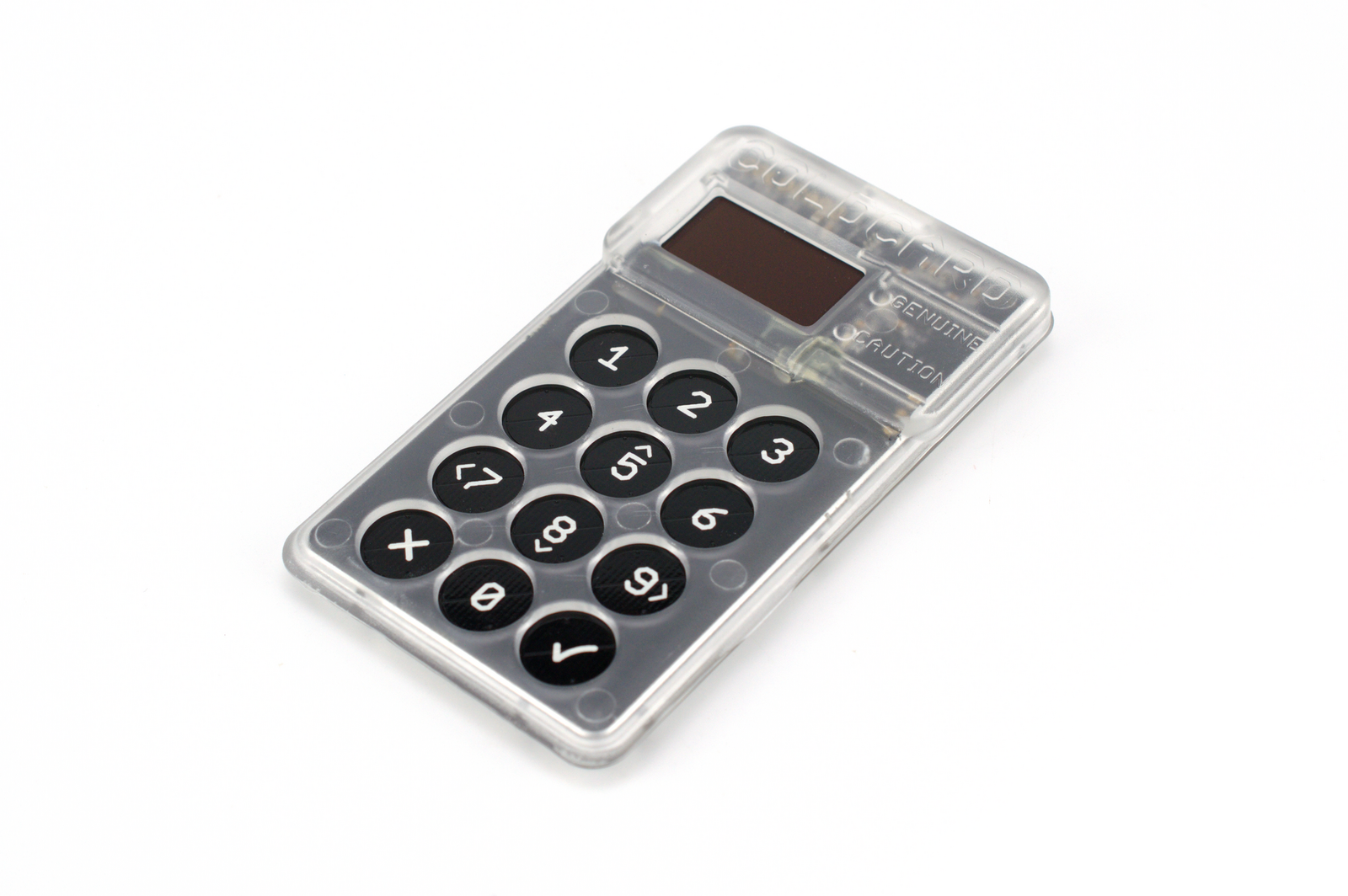
Keep your long-term wealth in cold storage. Using hardware wallets is arguably the best way to hold crypto because your private keys stay offline, away from the prying eyes of internet-based attackers. However, don’t keep all your eggs in one basket. Whether it’s a hardware device, a paper wallet, or a reputable exchange, diversify where you store your assets. If one platform fails, you aren’t wiped out entirely. Just like checking the specs of the Royal Enfield Flying Flea S6: What the Test Mules Reveal About India’s New Electric Bike, you must inspect the security protocols of your service providers regularly.
Finally, stay paranoid. If an Indian crypto exchange is hacked, observe how they communicate and what they reveal about the breach. Sign up for official security newsletters and follow project developers on GitHub. If a platform pushes an emergency update, don’t ignore it. Staying updated is how you keep your crypto wallet secure in India. It sounds like extra work, but it’s far cheaper than losing your savings.
Watch: Crypto Security 2027: 7 Layers to Protect Your Bitcoin & Crypto from AI, Wallet Hacks, & More…
Frequently Asked Questions
What is a retired wallet and why is it dangerous?
A retired wallet is one you have stopped using and intended to archive. It becomes a major liability if the decommissioning process wasn’t handled correctly. If an exchange or user leaves these keys in accessible storage, they can be exploited during a security lapse. It is like leaving an old house key under the mat; even if you have moved, someone can still get inside. Never leave "abandoned" crypto assets behind.
How can I tell if my crypto wallet is susceptible to speed-up bugs?
You will struggle to know just by looking, but the best way to keep crypto safe here is to prioritize wallets that provide transparent, updated security documentation. If your app offers a "speed-up" feature, verify that it is updated to the latest version. Check the developer’s official site for recent security patches. If they aren’t releasing regular updates, consider migrating your assets to a more reputable provider.
Should I move my crypto off an exchange after hearing about internal failures?
It is a classic debate. If you are a long-term holder, the best way to hold crypto is in your own self-custody wallet where you control the keys. Exchanges are convenient for active trading, but internal process failures prove they are not foolproof. If you have significant savings on an exchange, consider moving the bulk to cold storage. Keep only what you are actively trading there.
What are the best ways to secure my private keys in India?
To make your crypto wallet secure in India, look into hardware wallets—these are physical devices that keep your keys offline. Never rely on digital screenshots or notes on your phone. Write your recovery phrase on paper or metal and store it in a bank locker or fireproof safe. Always have multiple physical backups, but keep them in separate, secure locations to prevent total loss.
Building Your Personal Security Layer
Let’s get real: there is no single best way to keep crypto safe that works for everyone. If you’re trading daily on an exchange, keep only what you need for the week on the platform. Move the rest to a cold wallet. It’s a bit of a hassle, but it’s the only way to avoid the fallout when an indian crypto exchange hacked story hits the news.
If you want to know how to secure crypto properly, start by viewing your security like a home vault. You wouldn’t keep all your gold under the mattress, so why keep all your Bitcoin in a hot wallet? Use cold wallet crypto security tips like keeping your seed phrase offline in a fireproof safe. For any crypto wallet secure india setup, remember that hardware devices remain the best way to hold crypto. Your Bitcoin wallet security depends entirely on you. Your first move tomorrow? Buy a reputable hardware device and move 80% of your holdings offline.
Sources and further reading
- How To avoid cryptocurrency scam and keep your crypto coin safe — digit.in
- Crypto Heists: How To Keep Your Cryptocurrency Safe? — sify.com
- How to keep your cryptos safe even if the exchange goes bankrupt — financialexpress.com


Join the conversation