
Key takeaways
- Bitcoin miners are increasingly pivoting to AI compute to diversify revenue streams and maximize energy usage.
- AI-driven vulnerabilities in operating systems like Linux necessitate a more rigorous approach to crypto infrastructure security.
- Capital allocation toward AI equity markets may create short-term liquidity pressures on crypto assets.
- The convergence of AI and blockchain creates new opportunities for decentralized compute networks beyond traditional mining.
Remember when every Bitcoin miner decided to become an AI server farm? It felt like the ultimate hedge against market volatility. But as we watch these companies scramble, it’s clear that when bitcoin miners pivot to ai, they aren’t escaping risk—they’re just trading one type of turbulence for another.
Data centers aren’t the safety net many investors expected. The transition is often fraught with heavy debt loads and rising costs of capital. In this piece, we’ll look at why the promise of steady AI compute has become a source of financial strain. We will also examine how shifting infrastructure introduces new attack vectors—a concern as critical as the lessons we learned from the Binance Hack: Understanding State-Sponsored Crypto Security Risks. Let’s pull up a chair and examine the math behind this high-stakes industrial shift.
The Shifting Economics of Bitcoin Mining
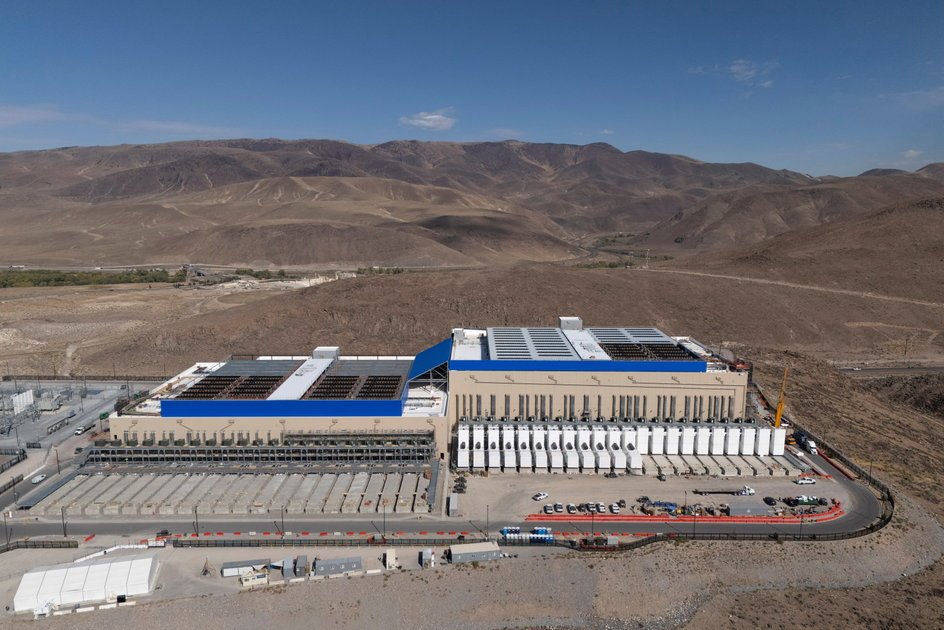
The operational environment for Bitcoin miners has changed as companies move away from pure Proof-of-Work mining toward dual-use AI data centers. It is a move born of necessity. As mining profitability fluctuates, operators are effectively becoming landlords for massive GPU clusters. Firms are trying to stabilize operational costs by diversifying into high-demand compute, betting that the infrastructure built for hashing can be repurposed for training large models.
However, this transition is not just about plugging in new hardware. It requires significant capital, often secured through expensive debt. The steep price of admission into the AI infrastructure game means that when companies take on these obligations, they become sensitive to broader market swings, which you can see when Understanding Bitcoin ETF Outflows and Market Volatility impacts their valuations.
Energy grid prioritization is the next hurdle. Previously, crypto mining energy could be curtailed during peak demand without much fuss. AI workloads, however, demand near-constant uptime to remain profitable. Transitioning to AI and blockchain integration means miners can no longer treat power as a flexible commodity; they must guarantee uptime for tech clients, fundamentally changing how these facilities manage their grid load and operational risk.
AI Compute Demands and Grid Stability
When bitcoin miners pivot to ai, they aren’t just changing software; they’re essentially becoming landlords for hyperscalers. AI firms are desperate for established mining infrastructure because these sites already possess the massive, high-voltage power grid connections essential for running thousands of GPUs. This proximity to cheap, reliable energy is why we see shifts in how firms allocate capacity.
This transition forces a direct trade-off between securing a network hash rate and feeding the insatiable compute demands of large language models. Every megawatt diverted to train AI is a megawatt that stops contributing to blockchain security. The scale is significant, with immense capital flowing into this sector as firms seek to capture the AI boom.
Ultimately, crypto mining energy is being cannibalized by AI and blockchain integration. While miners once focused solely on block rewards, they now manage the delicate balance between powering decentralized ledgers and supporting the integration of ai in finance. This competition for grid stability means that as AI models grow, the baseline security of some smaller chains may face new, unpredictable operational hurdles.
Cybersecurity Risks in the Age of AI
When you look at the infrastructure supporting the bitcoin miners pivot to ai, you’re looking at massive Linux-based server farms. Security professionals have noted that managing these systems at scale involves significant risks, specifically concerning kernel-level vulnerabilities. For a data center managing both crypto mining energy and high-performance AI workloads, this isn’t just a theoretical threat; it’s an operational reality.
The game is changing for protocol security. Automated code analysis tools are identifying vulnerabilities in blockchain protocols faster than any human auditor ever could. While this helps developers patch bugs, it gives attackers a head start. Consequently, exchanges are moving away from manual auditing toward real-time, AI-assisted security monitoring to keep pace with these automated threats, marking a significant step in the broader integration of ai in finance.
This speed of attack demands a rethink of how we protect digital assets. When an exploit can be deployed in milliseconds, static defenses crumble. You need to consider how your own security posture adapts to this, especially regarding custody. Understanding How Google MPC Crypto Wallet Works: Security Explained is a necessary step, as multi-party computation moves from a luxury to a standard for anyone holding assets in an era where AI-driven code analysis finds and exploits vulnerabilities before a patch is even written.
Liquidity and Market Volatility
When we look at the current shift of Bitcoin miners into AI infrastructure, it’s tempting to view the pivot as a stable hedge. But the reality is far more complex. As massive tech firms tap into public markets for capital, they effectively drain liquidity from the broader system. When capital is tied up in speculative AI equity, there is simply less money circulating to fuel inflows into Bitcoin or other digital assets.
We are witnessing a correlation between high-growth tech allocation and crypto demand. Investors are not just holding; they are chasing the next massive valuation, often pulling funds from crypto to bet on AI infrastructure. This creates a risk of capital flight, where Bitcoin’s role as a risk-on asset becomes increasingly sensitive to tech funding cycles. Even firms that pivoted to AI data centers are finding that this sector is just as turbulent as the crypto markets they left behind. When macroeconomic conditions tighten and borrowing costs rise, the liquidity that once supported Bitcoin’s price often evaporates, leaving miners and investors alike scrambling for cash to cover their debt burdens.
Practical Defense for Digital Assets
When AI automates phishing, the old “check the link” rule isn’t enough. These bots craft messages so convincing they bypass standard scrutiny. To stay ahead, you need a multi-layer defense strategy. Start by ditching SMS-based two-factor authentication; it’s vulnerable to interception. Instead, mandate hardware-based security keys. They provide a physical layer of protection that even sophisticated social engineering cannot easily replicate.
Self-custody remains your most reliable defense against software-level vulnerabilities. If you don’t hold the keys, you don’t own the assets—a lesson worth revisiting in our Has Binance Ever Been Hacked? Security and Self-Custody Guide. For those managing larger portfolios, monitoring is critical. Institutional-grade custodial wallets must have rigorous, automated audit trails. If you see unauthorized activity, seconds matter.
As we see the integration of ai in finance, the risk of automated exploits grows. Don’t rely on the security of third-party platforms alone. Whether you are tracking the energy output of miners or securing your own holdings, the responsibility ultimately lands with you. Keep your sensitive data offline, rotate your keys, and treat every notification as a potential threat.
Regulatory Challenges for AI-Crypto Hybrids
When bitcoin miners pivot to ai, they aren’t just changing hardware; they’re stepping into a regulatory minefield. Authorities are now looking closely at how ai for bitcoin mining operations handle power. In jurisdictions like the U.S. and parts of Europe, regulators are increasingly monitoring the crypto mining energy consumption of these dual-use data centers. It’s no longer just about the electricity footprint of proof-of-work; it’s about the massive, sustained load required for AI training tasks.
As firms push forward with blockchain integration with ai, they must also grapple with strict data privacy laws. If your decentralized compute network processes sensitive user data, you are suddenly subject to regulations that were never designed for permissionless infrastructure. Compliance isn’t a “set it and forget it” task when you are repurposing mining rigs for high-compute AI workloads. This pivot has proven as volatile as the crypto market itself, and regulators are catching up. Ensuring that your infrastructure meets both financial reporting standards and AI safety guidelines is a complex, ongoing balancing act that most firms are only beginning to manage.
The Future of Decentralized Compute
Beyond simply providing power, blockchain integration with ai offers a path toward verifiable provenance for digital media. By anchoring metadata on-chain, we can authenticate whether content is human-made or synthetic. While forensic tools already help us track digital assets—see how forensics finds stolen crypto—applying similar ledger technology to AI outputs could restore trust in an era of deepfakes.
Decentralized GPU networks are also emerging to challenge centralized cloud incumbents. Instead of relying on a few massive providers, these distributed grids allow miners to rent out idle compute, creating a more competitive market for processing power. This shift directly impacts crypto mining energy usage, as facilities evolve into hybrid data centers capable of multi-purpose operations.
To manage these complex environments, operators are turning to smart contracts. Automated protocols can now dynamically shift power consumption between mining rigs and AI training tasks based on grid stability and real-time electricity pricing. Even if bitcoin miners pivot to ai for immediate survival, their long-term value lies in their role as energy-dense infrastructure. These facilities are becoming the backbone of both financial ledger security and decentralized artificial intelligence, bridging the gap between raw compute and global economic utility.
Operational Realities of Dual-Use Facilities
Running a dual-use facility isn’t just swapping hardware; it’s a thermal challenge. While Bitcoin miners often tolerate higher heat levels, AI training servers are temperamental. If you push high-intensity chips past their thermal limits, hardware longevity tanks quickly. That’s why liquid immersion cooling has become the standard for both crypto mining energy efficiency and high-density AI compute.
Logistically, keeping these sites online is a constant balancing act. Bitcoin mining is resilient—a minor network blip doesn’t kill the output. Conversely, AI workloads require near-perfect uptime to avoid costly training retries. As companies shift their focus, they are finding that the infrastructure demands of blockchain integration with ai require massive, consistent power supplies that don’t fluctuate with the market.
Renewable energy is no longer just a marketing play; it’s an operational necessity. To feed these power-hungry data centers without drawing the ire of regulators, operators must secure reliable wind or solar baseloads. It’s a dance: keeping the grid stable while ensuring your racks don’t overheat. If you’re planning to pivot, remember that the “AI” label comes with a much higher operational baseline than simple hashing. Efficiency is the only way to keep margins alive.
Watch: Bitcoin miners pivot to power AI future
Frequently Asked Questions
How does AI development affect the profitability of Bitcoin mining?
When firms watch bitcoin miners pivot to ai, they often assume it’s a simple upgrade to steady profits. Reality is messier. While some companies transitioned to escape low mining rewards, they now face high debt and AI market volatility. If you are asking if ai can mine bitcoin, the answer is no; they are different compute tasks.
Are AI-driven attacks a significant threat to crypto wallet security?
Yes, the intersection of ai and blockchain integration creates new attack vectors. Automated models can now identify and exploit common vulnerabilities in Linux environments at scale. Because much of the infrastructure supporting crypto wallets and nodes runs on Linux, these automated security threats are a growing concern. Security remains a constant game of cat and mouse; keep your assets in cold storage to minimize risk.
Can Bitcoin mining infrastructure be effectively repurposed for AI training?
Yes, companies are shifting their existing data center capacity toward AI compute workloads. However, don’t mistake this for an easy fix. Mining rigs excel at specific hashing tasks, whereas AI training requires different hardware architectures like powerful GPUs. Repurposing these facilities involves massive capital expenditure, often funded by debt, which adds significant operational risk if the AI market cools down.
What is the impact of AI IPOs on crypto market liquidity?
Large-scale AI IPOs can act as a vacuum for capital, potentially draining liquidity from the crypto market. Significant dilution through these offerings might choke bank liquidity, creating a ripple effect that hits Bitcoin prices. When traditional finance pours money into AI infrastructure, the resulting capital flight can leave digital assets vulnerable to short-term price pressure and reduced trading volume.
The Reality of Dual-Use Data Centers
The transition toward AI infrastructure isn’t the guaranteed stability miners hoped for. When firms undergo a bitcoin miners pivot to ai, they often trade crypto-specific volatility for the heavy capital burdens and unpredictable demand cycles of the tech sector. Swapping mining rigs for high-performance GPUs doesn’t hedge against risk; it simply changes the venue of the gamble.
Beyond market economics, the technical integration of ai and blockchain integration introduces fresh cybersecurity vectors. As AI models capable of exploiting system vulnerabilities emerge, the security of decentralized networks becomes more precarious, a reality we discussed in OpenAI Physical AI Robot Development: Inside the Defense Pivot. If you hold these stocks, look past the hype. Scrutinize their debt-to-equity ratios and power contract terms before assuming these facilities are bulletproof.



Join the conversation