
Key takeaways
- All income from virtual digital assets is taxed at a flat 30% rate in India.
- A 1% TDS is deducted on every sell transaction, regardless of profit or loss.
- Losses from one crypto asset cannot be used to offset gains from another.
- Industry leaders are actively lobbying for lower TDS rates and clearer definitions.
- Always maintain accurate transaction logs to ensure compliance during tax season.
If you’ve been watching the Bitcoin Price 2026 in India: $82k Rally, AI Risks and Safety Tips, you know the market isn’t just about price swings anymore; it’s about keeping your accounts clean. Figuring out how to file crypto tax in india feels like a chore, but it’s the price of playing in this space today. We’re dealing with a flat 30 percent tax on gains and a 1 percent TDS that bites into every trade.
With the new CARF reporting requirements detailed on coingabbar.com, the tax department now has a much clearer view of your portfolio. In this guide, I’ll walk you through the crypto tax in india explained in plain terms, covering why the current Indian crypto regulation makes simple trading look like a complex accounting project. Let’s break down exactly what you need to report this season.
Understanding the 30% Tax and 1% TDS
If you’re wondering how to file crypto tax in India, you have to start by accepting that the rules are rigid. The government imposes a flat 30% tax on VDA gains, plus surcharges and cess. There is no benefit of indexation or tax slabs here, and you cannot deduct expenses like brokerage or internet fees to lower your liability.
Beyond the 30% levy, you deal with a 1% TDS on every sell transaction. Think of this 1% as a mandatory advance payment the exchange collects for the government. It acts as a constant friction on your liquidity, making active trading significantly more expensive than it looks on paper.
The most frustrating part for many is that losses cannot be set off. If you profit on Bitcoin but lose money on an altcoin, you still pay 30% on the Bitcoin gain. You cannot offset that loss against other income or even other crypto assets.
Consider this: you buy a token for ₹10,000 and sell for ₹15,000.
- Gain: ₹5,000
- Tax (30%): ₹1,500
- TDS (1% of ₹15,000): ₹150 (deducted upfront)
While the math is clear, the lack of flexibility is a real sting. If you’re holding long-term, read about the Best Crypto Hardware Wallets: Safeguarding Against AI-Driven Hacks in India to secure your holdings. With these crypto tax India latest rules, protecting your assets is just as vital as managing your tax liability.
How TDS Impacts Your Trading Strategy
If you are a frequent trader, that 1% TDS is likely the biggest hurdle in your strategy. Every time you swap one token for another, that 1% is shaved off your capital. Over a month of high-frequency trading, this eats into your liquidity significantly, leaving you with less to reinvest. It makes the active trading lifestyle much harder to justify in India compared to other markets, as your capital base shrinks with every transaction.
Long-term holding, or HODLing, feels more manageable because you only trigger the taxable event when you actually sell your assets. When you are looking at the 30% flat tax on gains, your entry point matters immensely. Because you cannot offset losses between different assets—or even carry forward losses—every individual trade needs to be profitable enough to cover both the tax and the transaction slippage.
You must keep granular records of every transaction. If you do not, you will be buried in paperwork come tax season. Manually calculating your cost of acquisition for hundreds of trades is an error-prone nightmare. To stay compliant and understand how to file crypto tax in india accurately, consider using dedicated software like TaxNodes. These platforms automatically track your TDS credits and profit margins, ensuring you do not overpay or miss reporting requirements. A simple tip: connect your exchange APIs to these tools early in the financial year so you are not scrambling when the filing deadline hits.
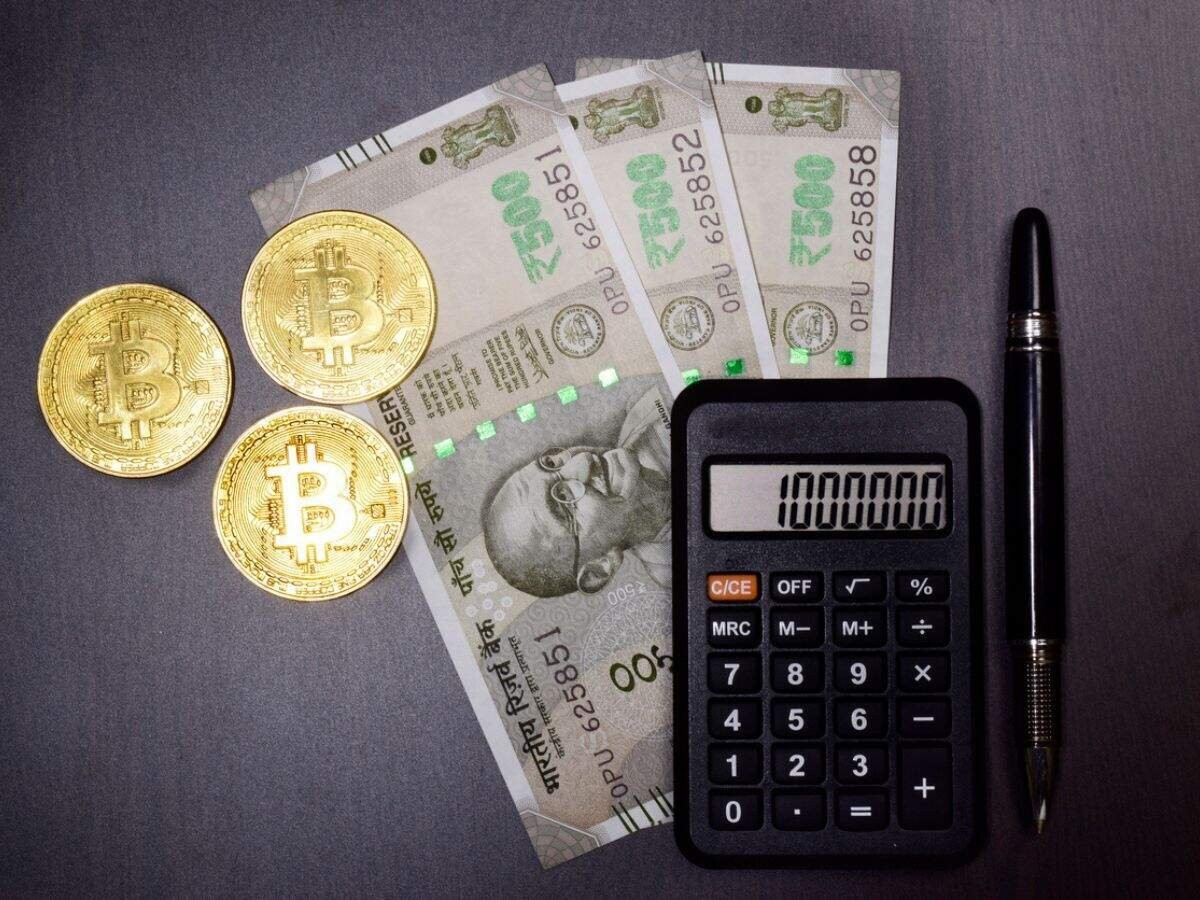
The Industry Push for Regulatory Clarity
Indian crypto industry leaders are pushing for more than just a nod from policymakers; they are asking for a functional blueprint. Right now, figuring out how to file crypto tax in india remains a headache because the regulatory environment feels like it is built on quicksand. The biggest ask from the sector is a formal, ironclad legal definition for Virtual Digital Asset (VDA) service providers.
Currently, many exchanges operate in a grey zone. By codifying exactly what a VDA service provider is, the government could finally separate responsible businesses from those that don’t prioritize security. It is not just about tax compliance; it is about basic safety. As we have seen, the Best Way to Keep Crypto Safe: Lessons from Indian Exchange Hacks proves that clear, government-backed guidelines on asset custody are vital to protect retail investors from losing their hard-earned capital.
Then there is the issue of the 1% TDS. While the government views it as an effective tracking tool, the industry argues it drains necessary liquidity from the market. A high tax friction makes Indian platforms less competitive globally. Leaders are advocating for a lower TDS rate, suggesting it would boost market depth and encourage more volume on local exchanges. Without these adjustments, the crypto tax in india explained as a punitive system will likely continue to drive users toward offshore platforms, which hurts our domestic ecosystem more than it helps.
Reporting Crypto Assets in Your ITR
When you sit down to file your taxes, you’ll need to report your Virtual Digital Assets (VDAs) under the dedicated ‘Schedule VDA’ in your ITR form. This isn’t just about profits; the tax department wants a detailed breakdown of every transaction. Even if you haven’t moved your money back into your bank account, a sale or exchange still triggers a tax event. If you traded Bitcoin for Ethereum, that counts as a transfer for tax purposes.
Ignoring these holdings isn’t a smart move. As noted in this guide on ITR filing, non-disclosure can lead to heavy penalties and interest charges. The tax authorities are increasingly getting data from exchanges through the new reporting frameworks, so your transaction history isn’t as private as you might think.
What about gifts or inheritance? Under current rules, crypto received as a gift is taxed in the hands of the recipient under Section 56(2)(x). You’ll need to report the fair market value of that asset as income. Inheritance is slightly more nuanced, but generally, when you eventually sell those inherited assets, you will be liable for the 30% tax on the gains calculated from the original cost of acquisition. Keep meticulous records of purchase dates and costs, because the burden of proof is entirely on you when the taxman comes calling.
Avoiding Common Tax Filing Mistakes
When you sit down to figure out how to file crypto tax in India, the most frequent mistake is overcomplicating your deductions. Many traders assume they can subtract electricity, mining fees, brokerage, or internet bills from their gains. But under the current crypto tax rate in India, the law is unforgiving. You can only deduct the original cost of acquisition. If you bought Bitcoin at ₹50 lakh and sold at ₹60 lakh, your tax is on that ₹10 lakh difference. Any extra "costs" you try to factor in will likely lead to an audit notice from the tax department.
Another common trap involves offshore exchanges. While they might seem convenient for high-frequency trading, they often fail to provide the specific tax certificates required for local compliance. If you are trading complex assets like those described in What is a Leveraged Crypto ETF? Risks and Volatility Explained, you must ensure your records are pristine. The taxman does not care if the platform is based abroad; your income is still taxable in India, and you are responsible for calculating the gains yourself.
Before you start your ITR, keep this checklist handy to ensure accuracy:
- Consolidated transaction history from every exchange you use.
- Proof of the exact purchase price (cost of acquisition) for every asset sold.
- TDS certificates (Form 26AS) to verify the 1% deducted at source.
- A clear record of any gifted crypto, as these have specific reporting requirements under Section 56(2)(x).
Risk Management in a Changing Environment
The Indian crypto regulation environment is anything but static. While the 30% tax rate and 1% TDS are current constants, keep a close watch on official updates from the CBDT. The introduction of the Crypto-Asset Reporting Framework (CARF) means exchanges are now under stricter scrutiny to report your transactions via Form 167. As detailed on coingabbar.com, this global standard increases visibility for tax authorities, so do not assume your activity remains hidden.
To manage your risk, stick to reputable, tax-compliant exchanges. Using shady, non-compliant platforms just to bypass reporting is a losing game; it puts your capital at risk of being frozen or lost entirely. When you are looking at how to file crypto tax in India, remember that the crypto 30 percent tax in India is not just a number—it is a heavy drag on your portfolio. Chasing high-yield assets without calculating the tax impact is a recipe for disaster. If your trade nets you a 10% gain but you have not accounted for the flat tax and the inability to set off losses, you might actually be in the red.
My advice? Treat your crypto portfolio like any other serious financial commitment. If you are learning how to file crypto tax in India, do the math before you execute the trade. And here is the golden rule: never trade more than you can afford to lose. Markets turn and tax rules shift; keep your capital safe by staying informed and staying compliant.
Comparing Indian Rules with Global Standards
Many global hubs like Singapore or the UAE treat crypto as a financial asset, often offering capital gains benefits or tax-neutral zones. India, however, keeps the crypto tax rate in india at a flat 30%, which doesn’t allow for basic loss offsets between different assets. It is a punitive structure that stands in stark contrast to more moderate international frameworks.
The real outlier here is the 1% TDS. While other nations focus primarily on reporting profits, India’s aggressive "tax-first" approach via TDS makes high-frequency trading incredibly difficult for the average retail user. It is a unique administrative hurdle that prioritizes immediate government revenue over market liquidity and organic growth.
Globally, the shift is toward transparency, not just taxation. With the OECD’s CARF framework now integrated into local rules, India is finally aligning with the rest of the world on reporting standards. This international pressure means we are likely stuck with these existing rules for the foreseeable future.
Watching these global shifts is essential for anyone asking how to file crypto tax in india. If you compare this to the rapid adoption of other emerging technologies—like what we see with the Unitree Humanoid Robot Price: India’s Security Guard Future?—it is clear that policy often lags behind technical innovation.
Investors are now moving assets to comply with these global norms, but the cost of doing business locally remains high. As the government tightens the net through automated reporting, we should expect even more focus on international data sharing. It is a tough environment, but knowing the rules is your only real defense.
Preparing for Future Policy Shifts
If you’re wondering how to file crypto tax in India, you know the current rules are rigid. Looking ahead, "regulatory clarity" for the average retail investor would ideally mean two things: the ability to set off losses against gains and a more logical tax structure that doesn’t treat every minor trade as a major taxable event.
Industry leaders are actively pushing for a rethink on the 1% TDS. The current system creates significant liquidity friction, and many are advocating for this to be limited to net gains rather than gross transaction value. While we wait for these policy shifts, your best bet is staying updated through the official Income Tax Department website.
Don’t just assume the status quo is permanent. As platforms adopt global standards like CARF, your transaction history is becoming more transparent than ever. To keep your financial strategy flexible, maintain meticulous records of every transaction. Using professional tools—some of which have been discussed in reports like those on cxotoday.com—can help you stay audit-ready. Treat your crypto portfolio like any other serious investment; keep your documentation clean, and always be prepared to adapt when the next circular drops.
Watch: Crypto ITR Filing 2026-27 | Crypto Tax Filing | 194s ITR Filing | VDA (Virtual Digital Assets) ITR
Frequently Asked Questions
Is crypto legal in India?
Current Indian crypto regulation remains neutral on whether virtual digital assets are explicitly "legal" or "permitted." The government focuses purely on taxation and reporting requirements. The Income-tax Act and the latest 2026 guidance from the CBDT treat these assets as taxable income sources without validating their underlying status. Essentially, you owe the tax department their share regardless of the asset’s specific regulatory standing.
Do I have to pay tax if I lose money on crypto?
Unfortunately, the rules are quite harsh. You cannot set off losses from one crypto asset against gains from another, nor can you offset crypto losses against any other income like salary or stocks. Since you cannot carry these losses forward to future years, you essentially pay the crypto 30 percent tax in India on every profitable trade while absorbing the full loss yourself.
How do I report crypto on my ITR?
When figuring out how to file crypto tax in India, you need to report your Virtual Digital Asset (VDA) income under the specific schedule for capital gains or business income in your ITR. You must account for the cost of acquisition as your only deduction. Keep meticulous records of every transaction, as exchanges are now reporting your activity to the tax department under the new CARF framework.
Why is 1% TDS deducted on every sale?
The 1% TDS is a compliance mechanism mandated by Section 393 of the 2025 Act. It is designed to track transactions and ensure visibility into crypto trading tax in India. Think of it like a down payment on your final tax liability. You can claim this deducted amount against your total tax dues when you file your annual income tax return each year.
Looking Ahead: Staying Compliant in a Shifting Policy Environment
If you’re trying to figure out how to file crypto tax in India, remember that the 30% tax rate is just the baseline for your compliance journey. With the rollout of CARF under the Income-tax Act, 2025, the days of trading without a paper trail are effectively over. Exchanges are now under strict mandates to report your transaction history via Form 167 by May 31 of each year.
While industry leaders continue to push for clearer Indian crypto regulation, don’t wait for policy shifts to get your house in order. Taxes are rarely about the "what if" and almost always about the "what happened." It is worth reading about How Nations Use Crypto for Sanctions Evasion: A Reality Check to understand why global transparency frameworks like CARF are becoming the new standard for every trader. My advice? Maintain a clean, timestamped ledger of every transaction; it is the only way to minimize stress during tax season.
Sources and further reading
- CARF Crypto India: How Exchanges Report Trades — coingabbar.com
- ITR filing: How Bitcoin, NFTs, airdrops, gifted crypto, and overseas wallets are taxed in India and how to report them — economictimes.indiatimes.com
- Revolutionizing Crypto Taxation in India: How TaxNodes Simplifies Tax Calculations and Filing for Investors — cxotoday.com



Join the conversation