
Key takeaways
- South Korean regulators allege Tesla’s ads overstated FSD capabilities.
- Tesla has begun adjusting FSD features in Europe, hinting at a global compliance push.
- Buyers should verify the exact feature set and legal status of any ADAS before purchase.
- Rival automakers offer more clearly defined driver‑assist packages, which may be safer bets now.
You’ve likely seen the headlines about the tesla full self driving controversy hitting the wires, and it’s enough to make any prospective buyer pause. When you spend thousands on a premium vehicle, you expect the features on the sticker to match the reality in your driveway. However, recent allegations suggest that in South Korea, the gap between marketing and functionality has widened significantly, as reported by techstory.in.
In this piece, we’ll cut through the noise of the latest news on tesla fsd to explain exactly what regulators are questioning. Whether you’re tracking the tesla fsd south korea release or wondering if your own vehicle’s software will ever hit full autonomy, we’ll look at the facts. While we wait for the industry to mature—much like the questions surrounding the Tesla Semi: Is Electric Trucking Ready for Long-Haul Logistics?—it’s time to get clear on what you’re actually paying for.
Background: Tesla’s Full Self‑Driving rollout worldwide
Tesla’s path to autonomy has been anything but linear. Since the early days of FSD Beta, the company has pushed through iterative updates, with V13 and V14 marking significant milestones in their pursuit of advanced driver assistance. When we talk about having tesla full self driving explained, it essentially boils down to a suite of features that require constant human supervision despite the ambitious branding.
Tesla markets these capabilities globally as a path toward complete autonomy, though the reality of the software often lags behind the marketing promises. This discrepancy is at the heart of the ongoing tesla full self driving controversy. While the latest tesla fsd update news shows consistent progress, regulators in regions like the European Union and North America maintain strict thresholds for what constitutes "autonomous" driving. As discussed in our analysis of Tesla Robotaxi Expansion: Real-World Safety and Tech Limits, the gap between driver-assist tech and true driverless operation remains a point of contention.
In major markets, the latest news on tesla fsd centers on whether the current hardware is sufficient for the features promised. Different countries enforce varying safety standards, forcing Tesla to adapt its software deployment. For potential buyers, understanding these regional limitations is crucial before opting into the FSD subscription.
The South Korean allegation – what Reuters uncovered
The tesla full self driving controversy has hit a wall in South Korea. A local consumer group filed a formal complaint with the Korea Fair Trade Commission, alleging that Tesla’s marketing significantly overstated the capabilities of its driver-assistance software.
The scrutiny centers on specific terminology used in Korean-language advertisements and the vehicle’s own in-car interface. Regulators are examining whether these descriptions led owners to believe the cars were capable of full autonomy, rather than acting as a sophisticated driver-assist system. This highlights the friction often seen when tesla fsd not working as users might expect based on aggressive marketing materials.
Following the initial filing, the investigation progressed through the regulatory pipeline, culminating in a Reuters report. It’s a pivotal moment for the latest news on tesla fsd, as global regulators monitor how South Korea handles these claims. Even with these legal battles, the software remains popular; as noted on marketwatch.com, many buyers still opt into the subscription. Ultimately, South Korea consumer protection Tesla efforts are forcing a clearer, more honest conversation about what these systems actually achieve today.
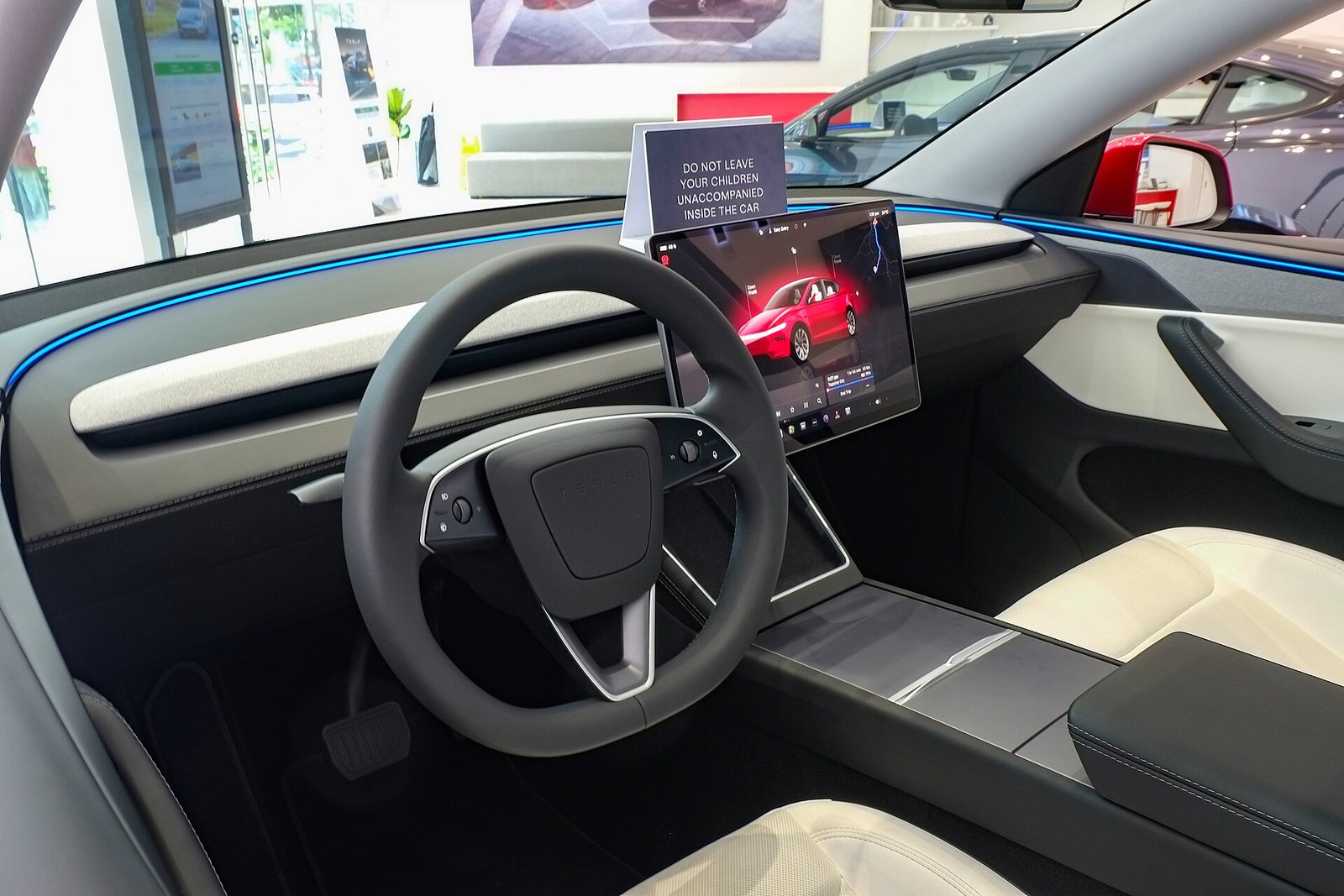
Tesla’s response and the European FSD adjustments
Tesla has not stayed silent amid the mounting pressure in Asia. In recent statements, the company maintained that its marketing reflects the system’s ongoing development, emphasizing that "Full Self-Driving" requires active driver supervision at all times. They argue that these features are part of an iterative software journey rather than a static, finished product, noting that performance improves through continuous data collection.
Meanwhile, across the Atlantic, the latest tesla fsd update news indicates that the manufacturer is rolling out specific modifications for the European market. These tweaks primarily focus on tightening operational parameters to align more strictly with local regulatory frameworks. If you are trying to understand the technical reality behind these changes, Is Tesla FSD Worth It? Safety, Robotaxis, and Real-World Data breaks down the current state of the technology.
Do these European adjustments resolve the South Korean allegations? Likely not. While the European updates prioritize regional compliance, the Korean controversy centers on transparency regarding what the software can—and cannot—achieve today. Aligning marketing language with actual performance remains the core tension between Tesla and global regulators, regardless of the specific region.
Legal and regulatory implications
South Korea’s Fair Trade Commission maintains strict oversight on how companies market advanced vehicle technologies. Under local consumer-protection laws, businesses can face significant fines if advertisements are deemed deceptive or fail to adequately clarify the technical limitations of a feature. The current tesla full self driving controversy puts a spotlight on whether marketing terms like "Full Self-Driving" cross the line into false advertising when the system still requires constant human supervision.
While Tesla has faced similar legal hurdles in other jurisdictions, judicial outcomes have been mixed. For instance, a court previously ruled that such software did not guarantee full autonomy, leading to the dismissal of refund bids for 88 owners msn.com. In South Korea, regulators are now weighing whether past promotional materials created unrealistic expectations for buyers regarding vehicle capabilities.
If South Korean authorities penalize Tesla, it creates a powerful legal precedent. Regulators in the EU and the US are watching the South Korea consumer protection Tesla investigation closely as they also grapple with defining the boundaries of autonomous-driving claims. A strict ruling could force manufacturers worldwide to adopt clearer, more standardized terminology, ensuring that drivers truly understand the limitations of driver-assistance features before they engage them on public roads.

Impact on current and prospective Tesla owners
If you own a Tesla in South Korea, the ongoing tesla full self driving controversy might feel like a gut punch. When consumer groups challenge how a feature is marketed, it naturally casts a shadow over resale value, as prospective buyers become wary of paying extra for software that may not deliver the promised autonomy.
For current owners, if you feel your FSD is not working as advertised, check your official Tesla fsd update news for firmware patches that might address performance gaps. Unfortunately, court rulings have previously sided against mass refund bids, meaning a simple cash-back request is rarely successful. If you are frustrated, document every instance where the software fails to perform, as this evidence is critical for any legal recourse.
Prospective buyers outside of South Korea should be extra cautious. Always read the fine print in your purchase agreement regarding "future capabilities." Much like the shift we see in the wider tech sector, such as the OpenAI Windsurf Acquisition Final Agreement: What It Means, regulatory scrutiny can change how features function overnight. Before signing, demand a clear distinction between what is active today versus what is merely an aspirational roadmap.
Comparing Tesla’s FSD with rival systems (BYD, Mercedes, Hyundai)
When you look at how Tesla’s software stacks up against the competition, the difference in philosophy is stark. Mercedes-Benz, for example, takes a conservative approach, offering Level 3 autonomy in specific regions where regulatory approval is absolute. In contrast, the ongoing tesla full self driving controversy, as noted by techstory.in, highlights how Tesla’s aggressive marketing often clashes with the reality of its current system’s capabilities.
| System | Primary Sensors | Autonomy Level | Transparency |
|---|---|---|---|
| Tesla FSD | Cameras only | Level 2 | Low |
| Mercedes Drive Pilot | LiDAR/Radar/Cam | Level 3 | High |
| Hyundai/BYD | Radar/Camera | Level 2+ | Moderate |
While Tesla relies on a camera-only "Vision" suite, competitors like Hyundai and BYD typically use multi-sensor arrays—combining radar and cameras—which often align better with the safety standards monitored by agencies like Euro NCAP. Mercedes stands out for transparency; they clearly define the specific conditions where "Drive Pilot" functions. Conversely, Tesla’s system frequently leaves drivers guessing about when they need to intervene. If you value clear expectations over aggressive feature rollouts, the industry is currently favoring brands that explicitly label their tech as driver-assist rather than implying full autonomy.

What this means for the global EV market
The current tesla full self driving controversy is forcing a necessary reset in how we evaluate vehicle autonomy. Trust is a finite resource; once buyers feel misled, they look elsewhere. While Tesla’s subscription numbers remain high—with over 75% of new cars sold in North America attaching FSD—the regulatory scrutiny from South Korea and adjustments in Europe suggest that the era of over-promising is ending.
For Tesla’s 2027 models, the roadmap must balance bold innovation with brutal transparency. If manufacturers want to avoid the legal traps currently surfacing, they need to shift their marketing from "Full Self-Driving" to specific, granular descriptions of what the system actually does. Just as riders look for clarity when browsing Zero’s $8K Shift: The Best Electric Motorcycle for Beginners?, EV buyers need to know exactly what they are paying for before signing the papers.
Manufacturers should adopt these three practices to regain trust:
- Explicitly label ADAS as "driver assistance," not autonomous.
- Provide clear, real-world limitation data at the point of sale.
- Standardize safety disclosures across all global markets to avoid regional discrepancies.
Transparency is no longer optional; it is the baseline for staying competitive in a skeptical market.
Practical steps for consumers to verify autonomous‑driving claims
When you’re looking at the latest news on tesla fsd, don’t just take the marketing at face value. Before you pay for the upgrade, follow these steps to see exactly what you’re buying:
- Check the release notes: Open your vehicle’s settings menu to view the current firmware version and specific feature descriptions. Never assume a "Full Self-Driving" label means the car is legally autonomous in your region.
- Consult official manuals: Visit your regional Tesla support page to read the owner’s manual for your specific market. It explicitly outlines what the system can and cannot do in your area.
- Verify regulatory status: If you suspect a feature isn’t working as advertised, check your local transportation authority’s safety bulletins. In the US, the NHTSA tracks reported incidents. In markets like South Korea, consumers are turning to government consumer protection bodies to address concerns regarding the tesla full self driving controversy.
Even though marketwatch.com notes that FSD subscriptions remain popular, you have the right to file a formal complaint with your national consumer protection agency if you feel misled by feature descriptions. Always document your specific interactions with the software when it fails to perform as promised.
Watch: Tesla FSD Scandal: 99% of New Cars in South Korea Couldn’t Use It?
Frequently Asked Questions
What exactly did Tesla claim about Full Self‑Driving in South Korea?
Tesla reportedly marketed its Full Self-Driving technology in South Korea with materials that implied a higher level of automation than currently available. Consumer advocates allege these ads misled buyers into believing the vehicles were fully autonomous, ignoring the reality that the system still requires constant driver supervision. This discrepancy is the primary driver behind the current tesla full self driving controversy.
Can South Korean owners get a refund or compensation for misleading FSD ads?
Securing a refund remains difficult for owners. In a notable case, a court rejected a refund bid from 88 owners, ruling that Tesla’s marketing did not explicitly promise full autonomy. Because these legal precedents prioritize Tesla’s existing user disclaimers over consumer expectations, successful compensation claims currently face a significant uphill battle within the South Korean legal system.
How does Tesla’s FSD compare to Hyundai’s Highway Driving Assist?
Hyundai’s Highway Driving Assist is explicitly marketed as a driver-assistance system, functioning as a Level 2 automated feature for specific highway conditions. Conversely, Tesla’s FSD branding is more ambitious, which often leads to user confusion. While both systems require the driver to keep eyes on the road, this branding disparity remains a central theme in the latest news on tesla fsd.
Will this controversy affect Tesla’s pricing or availability of FSD elsewhere?
While the tesla fsd south korea release remains under regulatory scrutiny, Tesla has already initiated software adjustments to comply with European requirements. These changes point toward a shift toward more cautious, localized rollouts. While global pricing is stable for now, stricter transparency rules from international regulators could eventually force the company to alter how it packages and markets its software subscriptions.
Navigating the Reality of Tesla’s Autonomy
If you’re shopping for a new EV, the tesla full self driving controversy serves as a vital reminder: marketing doesn’t always match the actual, real-world capability of the software. While the tech is undeniably impressive, it remains an advanced driver-assistance system, not a replacement for your eyes and hands. Whether you are tracking the latest news on tesla fsd or waiting for a tesla fsd south korea release, remember that these features are currently subject to intense regulatory scrutiny.
Before you pay for any premium "full" capability, always check the official owner’s manual for your specific region. If you’re shopping for a reliable family hauler, you might find more transparent technical specs in traditional segment leaders like the Innova Hycross Facelift Launch Date in India: Tech & Flex-Fuel. Always prioritize physical control, and never assume the car knows the road better than you do. Stay skeptical of the hype.


Join the conversation