Key takeaways
- Indian users show curiosity but need clear safety cues for robots in public.
- Local cultural cues and language dramatically affect robot acceptance.
- Pilot projects should start small, measure sentiment, and involve human ambassadors.
- Domestic manufacturing can cut costs to ₹2‑3 million per unit, making large‑scale rollout feasible.
Imagine you’re strolling through Lodhi Garden or Cubbon Park, and instead of a golden retriever, a metal-framed machine trots past you. Recently, the New York Times tested this exact scenario, and the reactions were a wild mix of fascination and caution. As we start seeing humanoid robots in India transition from movie sets to real-world sidewalks, we need to ask: are we ready to share our public spaces with them?
With Indian-origin expert Rohit Prasad recently taking the helm as CEO of Boston Dynamics—as reported by hindustantimes.com—the push for "physical AI" is accelerating. We are looking at how our cultural norms, curiosity, and local innovation, such as India’s Path to Affordable Humanoid Robots with the New Open‑Source Biped, will determine if these machines become our neighbors or just a passing distraction. Let’s grab a chai and break down the reality.
The park experiment – what happened and why it matters
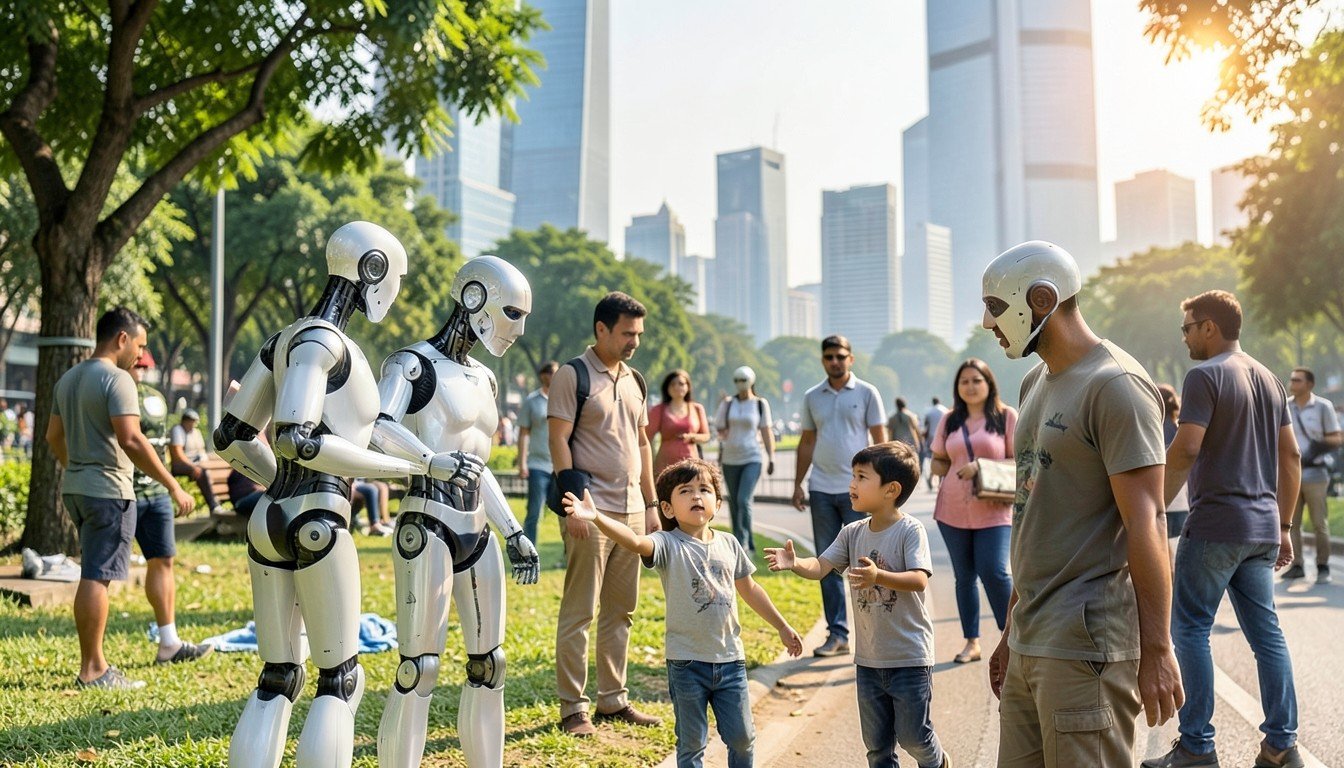
Imagine walking through a park and seeing machines moving around instead of dogs or toddlers. A recent New York Times experiment tested this, letting a group of humanoid robots roam a public space to interact with real people. Over the course of the day, these machines—tasked with traversing paths and observing surroundings—encountered hundreds of visitors.
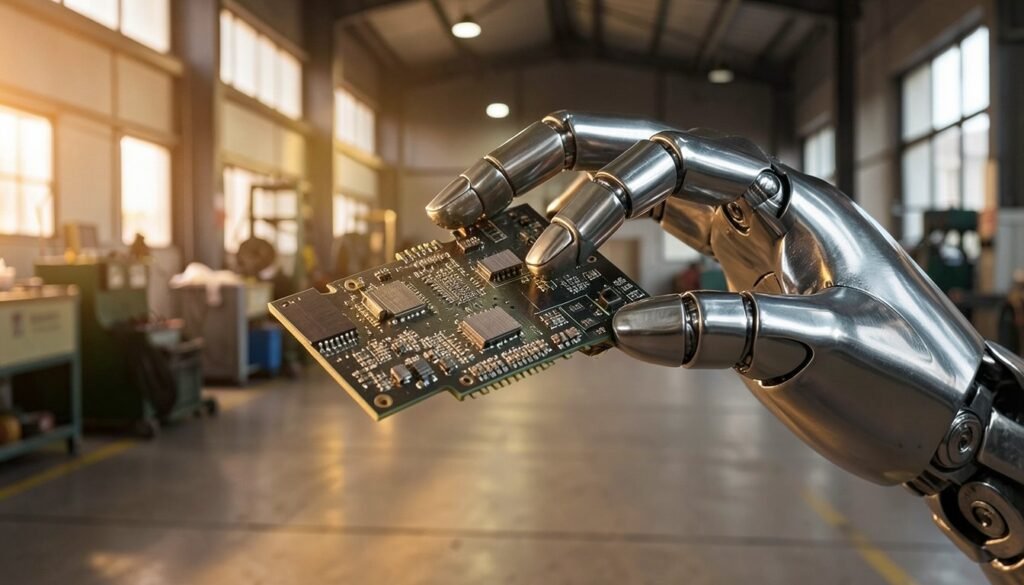
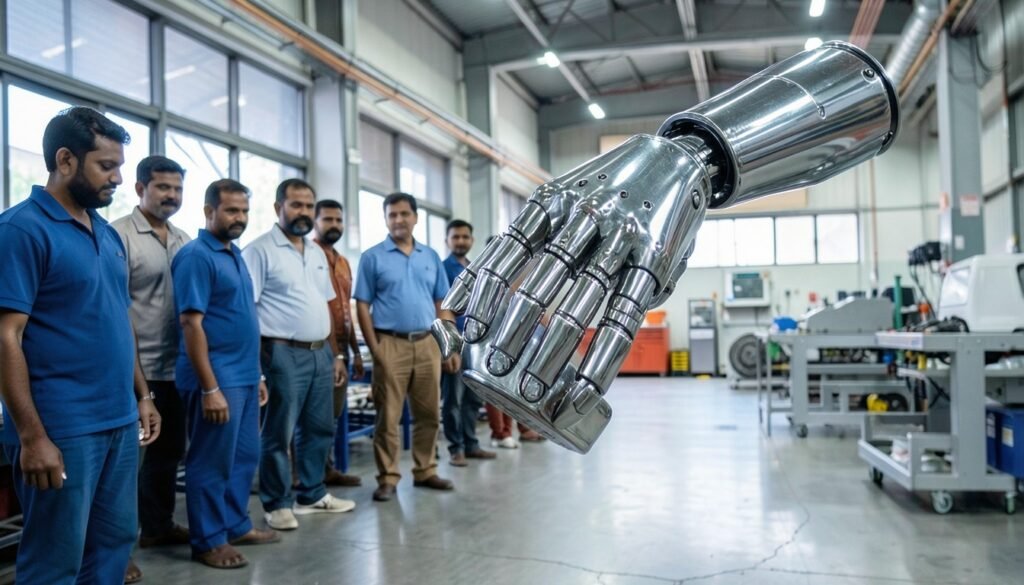
The reactions were as chaotic as a peak-hour Mumbai local train. You had curious kids chasing them, skeptical adults filming from a distance, and a few people who looked genuinely uneasy. It wasn’t just about the tech; it was the social friction of having a non-human entity occupy shared space. If you want to understand how these machines handle physical tasks before they hit our streets, check out Boston Dynamics’ New Robot Hand: What It Means for Indian Factories.
This trial matters for us because Indian crowd dynamics are unique. Our public spaces aren’t just corridors; they are ecosystems of high-density movement. A robot that works in a quiet plaza might get swarmed in a place like Marine Drive. Watching how these machines handle curiosity is the first step toward understanding if they’ll ever truly belong in our cities.
India’s cultural backdrop for human‑robot interaction
Indians have a unique way of looking at machines. We don’t just see them as cold metal; we often treat them with a sense of personification. From the mechanical automata described in our ancient temple history to the massive cultural impact of Rajinikanth’s Enthiran, the idea of a mechanical companion is deeply rooted in our pop culture.
Recent shifts show this is moving from fiction to the local screen. The Bengaluru-based Machani Robotics has even put their humanoid, Jia, on the big screen for Lambodhar 2.0 odishatv.in. By using a real machine instead of CGI, we are normalizing the presence of robots in our shared spaces.
Surveys suggest that urban Indians are surprisingly open to AI, often viewing it as a bridge to progress rather than a threat. If you want to test how these machines perform, look at our festivals. Whether it is the surge of crowds during Ganesh Chaturthi or a busy Durga Puja pandal, these gatherings are the ultimate stress tests. If a robot can hold its own in a packed Indian street festival, it is ready for anything.
Current Indian deployments of social robots
We aren’t just waiting for the future; it’s already bumping into our shins in select pockets of India. Take the banking sector, where approximately 150 Pepper units were deployed in 2024 to manage basic customer queries. If you’ve visited a tech-forward branch lately, you might have seen one trying—and sometimes failing—to handle the morning rush.
In Bengaluru, the streets tell a different story. Roughly 30 Nuro delivery bots are currently navigating specific tech parks daily, though they stay far from the chaotic main roads. It’s a bit like comparing the nimble handling of the Triumph Bonneville T40 India Review: Specs, Price, Rivals & Real‑World Ride to a heavy, stationary machine; these bots are precise but lack the instinct to handle our unpredictable traffic.
University labs across our premier institutes are also churning out research prototypes, yet these rarely leave the controlled comfort of a clean floor. Infrastructure remains our biggest hurdle. Between uneven pavements and the sheer density of human movement, these social robots struggle to find their footing. Regulatory clarity is still catching up, leaving these machines stuck in a permanent pilot phase rather than becoming part of our daily urban fabric.
Key factors that shape public comfort levels
In India, our comfort with humanoid robots will hinge on how "human" they actually look. If a machine tries too hard to mimic human skin or facial expressions, we often find it unsettling—a classic case of the uncanny valley. A functional, clearly mechanical design is usually more acceptable because it signals "tool" rather than "intruder."
Behavioral cues are equally vital. In the crowded, sensory-heavy environment of a Mumbai or Delhi market, a robot that moves with predictable, clear intent is non-negotiable. If it maintains steady eye contact and uses a polite, familiar tone—ideally localized to regional languages—it is far more likely to be treated as a helpful assistant rather than a street nuisance.
Safety and data privacy are the final, non-negotiable hurdles. We need total transparency regarding what these machines are recording. As noted in businessworld.in, India must transition from being a mere supplier of raw movement data to building its own indigenous robotics capabilities. Without strict local oversight and clear privacy standards, public trust will evaporate the moment a robot starts capturing sensitive footage in a public park. For developers, keeping the design simple and the data local is the smartest way to ensure adoption.
What Indian cities can learn from the park trial
If you want to introduce humanoid robots to an Indian park, don’t just drop them into the chaos of a busy Sunday evening. The recent park experiment highlighted that public comfort hinges on predictability. For our cities, a pilot needs a "human-in-the-loop" design: keep the numbers low, use clear signage in local languages, and always have staff nearby to manage interactions. If a machine starts acting up, you need a person there to intervene immediately.
We should track specific metrics to see if these machines actually improve the experience. I suggest focusing on these three data points:
- Dwell time: Do people linger to interact, or do they walk away quickly?
- Sentiment analysis: Are visitors smiling, or do they look suspicious?
- Incident reports: Any physical brushes or tech glitches that cause confusion?
Much like How Voice AI is Moving Indian Companies from Pilot to Profit, successful robotics adoption requires a slow, measured transition. Municipal bodies like the BBMP or BMC should partner with home-grown startups—perhaps those building social robotics—and academic labs to iterate based on real local feedback. Don’t aim for a sci-fi spectacle; aim for a helpful assistant that doesn’t freak out the aunties on their morning walk. Keep it simple, transparent, and safe.
Economic and policy implications for Indian manufacturers
If you are an Indian manufacturer looking to enter the humanoid space, the entry barrier isn’t just technology; it is the price. While high-end imports like those from Boston Dynamics—now under the leadership of Rohit Prasad, as noted in hindustantimes.com—set the performance benchmark, they remain prohibitively expensive for most local use cases.
Building locally is the pragmatic path. We are looking at a manufacturing target in the ₹2–3 million range per unit to stay competitive against global giants. To make this viable, Indian firms should leverage existing government initiatives like ‘Make in India’ and ‘Startup India’ for hardware R&D subsidies and tax incentives.
| Strategy | Focus Area |
|---|---|
| Localization | Regional languages & local etiquette |
| Design | Cultural clothing & social integration |
| Compliance | Adhering to emerging safety standards |
The real edge for our manufacturers isn’t competing on raw power, but on customization. An imported bot won’t understand the nuances of a crowded Indian market or local social cues. If our startups can program robots that respect local etiquette and speak native languages, they will find an immediate advantage over one-size-fits-all global models. Don’t just chase the tech giants; chase the local problem.
Practical tips for Indian businesses planning a public‑robot rollout
If you are planning to deploy a humanoid in an Indian mall or airport, do not just toss it into the crowd on a busy Saturday afternoon. Start with controlled, low-risk environments like private tech campuses or designated zones in high-end shopping centers. These spaces allow you to manage foot traffic and ensure the hardware does not get overwhelmed by curious, energetic shoppers.
Your staff must be the first line of defense. Train them as robot ambassadors who can explain the machine’s purpose and intervene if the tech hits a snag. If you are handling complex interactions, you should look into Production-Ready Prompt Engineering with Snowflake: A Practical Guide to ensure the AI powering these interactions stays reliable and relevant.
Finally, feedback loops are non-negotiable. Don’t rely on guesswork. Place a simple QR code on the robot’s chassis that leads to a quick, three-question survey. Monitor local social media chatter to see how people actually feel—not just how they pose for selfies. Remember, in India, a robot that breaks down in a public corridor won’t just be a technical error; it will become a viral meme before the technician even arrives.
Future scenarios – from park demos to everyday helpers
We aren’t just waiting for movies to show us the future; we’re already seeing it on screen with Jia, the humanoid star of the Kannada film Lambodhar 2.0 odishatv.in. But how does this translate to our crowded streets?
In the next one to three years, expect to see humanoid guides at heritage sites like Hampi or the Red Fort. These bots won’t just stand there; they will narrate our history in multiple local dialects, bridging the gap between tourism and tech.
By the three-to-five-year mark, your daily commute might change. Autonomous security bots could patrol busy metro stations in cities like Bengaluru or Delhi. They’ll likely handle surveillance and provide real-time crowd management, a task they can perform without needing a tea break.
Looking five years and beyond, the final step involves humanoid assistants in public offices. Imagine walking into an RTO or post office where a machine helps you fill out forms in your preferred regional language. It’s not just about efficiency; it’s about making complex government services accessible to everyone, regardless of the language they speak. These robots won’t replace human empathy, but they will certainly clear the queues.
Frequently Asked Questions
How safe are humanoid robots for crowds in India?
Current humanoid tech like Boston Dynamics’ Atlas is built for controlled industrial settings, not necessarily for dodging a chaotic Bengaluru street. Safety relies on advanced sensors and "physical AI," as new CEO Rohit Prasad emphasizes. In Indian crowds, the challenge isn’t just hardware—it’s navigating unpredictable human behavior. Before we see them in parks, they need rigorous testing to ensure they don’t trip over uneven footpaths or startle pedestrians.
What price range can Indian businesses expect for a public‑use robot?
Pricing remains opaque because there isn’t a standardized "humanoid shelf" yet. Most firms are focused on industrial deployment first, like Hyundai’s plan for 30,000 robots annually by 2028. For a business, think in terms of heavy capital expenditure rather than a simple gadget purchase. Expect costs to remain high until domestic manufacturers, like Bengaluru-based Machani Robotics, scale their production beyond niche projects like cinema robots.
Are there any Indian regulations governing robots in public spaces?
Honestly, the policy side is playing catch-up. As of now, India lacks specific, centralized regulations for operating humanoid robots in public spaces. Most deployments currently fall under general industrial or entertainment permits. As humanoid robots move from film sets—like the Kannada production Lambodhara 2.0—to public sidewalks, we will likely see the government draft specific safety guidelines to manage human-robot interaction in our dense, bustling urban environments.
Which Indian cities have already tested social robots publicly?
We haven’t seen a widespread, permanent rollout in public parks yet. Most social robots in India are still in experimental or entertainment phases. Bengaluru is leading, thanks to companies like Machani Robotics, which developed the humanoid "Jia" for film. While we don’t have massive, city-wide park trials like in the US, look for these early-stage tech showcases in corporate hubs and film studios before they hit your local neighborhood.
From Movie Screens to Our Sidewalks
Seeing a humanoid like Jia on a movie screen is one thing, but sharing a sidewalk with one is a different beast entirely. We aren’t just talking about fancy props anymore; with leaders like Rohit Prasad now steering global giants like Boston Dynamics, the bridge between simulation and physical reality is shrinking fast.
I suspect our initial reaction in places like Bengaluru or Mumbai won’t be fear, but rather curiosity followed by a healthy dose of skepticism. We love our tech, but we also value human connection above all else. If these machines are to move from park demos to everyday helpers, they must be built with local nuance in mind. For a deeper look at how we might build our own, check out Open‑Source Bipedal Humanoid: India’s Next Robotics Leap.
My advice? Don’t wait for a mass rollout. Start paying attention to how local startups train their AI on Indian social environments today; that is where the real future is being written.
Sources and further reading
- Who is Rohit Prasad? The Indian-origin former Amazon AI executive now leading humanoid robot maker Boston Dynamics — hindustantimes.com
- Embodied AI: The Battle India Is Missing — businessworld.in
- Lambodhar 2.0: No CGI, no actor! Real humanoid robot Jia set to make big-screen debut in Kannada cinema — odishatv.in