
Key takeaways
- NACS is becoming the industry standard, but CCS support will remain active for years.
- Reliability is driven by hardware-software integration, not just connector shape.
- Always use manufacturer-approved charging adapters to ensure safety and protocol compatibility.
- Home charging remains the most cost-effective and reliable method for daily EV use.
You pull up to a charging station expecting a quick top-up, only to find a tangle of cables that simply won’t fit your car. It is the modern EV owner’s headache, and it stems from a complex, often confusing mix of ev charging standards and protocols that vary by region and manufacturer. Whether you are trying to understand the shift from CCS to the North American Charging Standard (NACS) or just wondering why your plug looks different than your neighbor’s, the engineering reality is far more involved than just a simple connection.
As noted by ecmweb.com, charging infrastructure is an integrated system of transformers, circuit breakers, and control systems, not just a cable. We have previously discussed Why EV Fast Charging Infrastructure Slowed: Global Lessons, but here, we are cutting through the marketing hype. I will help you navigate the hardware realities, safety requirements, and what you actually need to know before your next long drive.
The Engineering Reality of Charging Standards
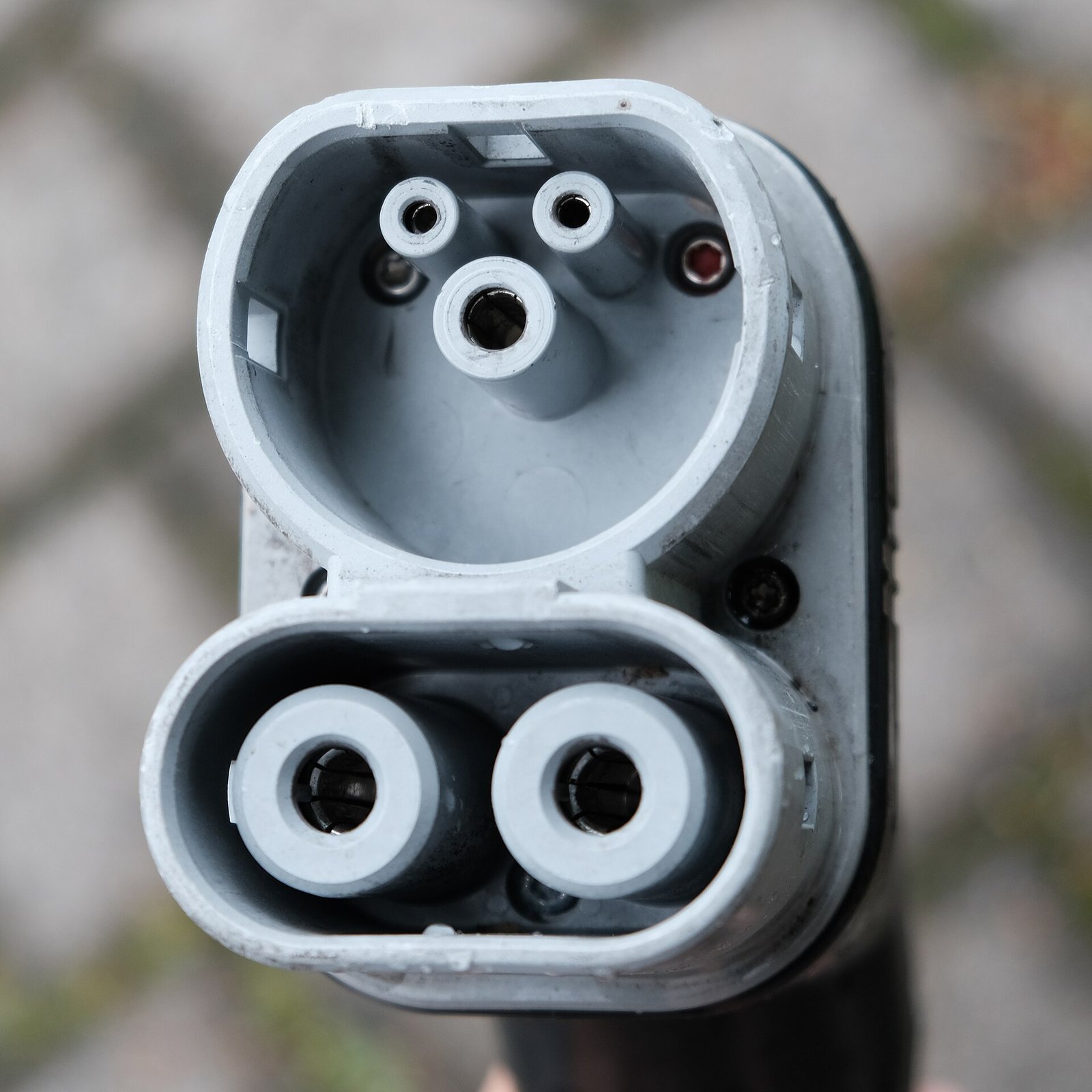
When we look at ev charging standards and protocols, the technical divide between CCS and NACS is stark. CCS (Combined Charging System) was originally designed as a bulky, two-part connector, separating AC and DC pins. It feels heavy and outdated compared to the sleek, integrated design of NACS. This compact form factor is exactly why the industry is shifting; it handles both AC and DC power through the same pins, making the hardware significantly lighter for drivers to manage.
The transition gained real momentum when SAE International codified NACS as the SAE J3400 standard. By creating a unified technical roadmap, the industry moved away from fragmented, proprietary solutions to formal sae ev charging standards. While CCS remains common, it suffers from legacy issues, including spotty maintenance and frequent downtime on public networks. Think of it like managing technical debt—much like the complexities discussed in AI Implementation Costs and Salaries: The SME Reality Check, legacy infrastructure requires constant oversight to remain functional.
If you are asking how many ev charging standards are there, the answer is too many, but NACS vs CCS is the current focal point in the U.S. By consolidating around SAE J3400, we finally see a path toward reliable, consistent charging experiences globally.
Reliability Metrics: Superchargers vs. Third-Party Networks
When you talk about reliable EV charging, you’re really talking about uptime and the underlying ev charging standards and protocols. According to data from the Department of Energy’s Alternative Fuels Data Center, Tesla’s proprietary network has long set the benchmark for reliability, largely because it operates as a closed-loop system. Tesla manages the car, the charger, and the software, which minimizes the "handshake" failures that often plague public networks.
In contrast, third-party networks face the hurdle of the fragmented nature of open standards. When you have dozens of vehicle models trying to communicate with various hardware manufacturers, the potential for error increases. This is why hardware-software integration is the primary driver of charging success.
The gold standard for the future is "plug-and-charge" functionality, where the car identifies itself and starts power transfer automatically. This requires communication protocols like ISO 15118-20, which is becoming the baseline for secure, automated energy exchange, as seen in recent hardware advancements like those highlighted at markets.businessinsider.com. Without this deep integration, you’re often left fumbling with apps, credit card readers, or unresponsive screens. While third-party providers are working to close the gap, Tesla’s vertically integrated approach currently offers a level of consistency that is difficult to replicate across open, diverse charging infrastructures.

The NACS Transition: What It Means for Non-Tesla Owners
The automotive industry is shifting toward the North American Charging Standard (NACS). Major automakers are phasing in these ports, which means if you own a vehicle with the legacy CCS connector today, you aren’t stranded. You will rely on NACS-to-CCS adapters to access the growing network of Superchargers. While industry shifts often mirror the speed of a major financial milestone, the transition here is more physical.
Regarding resale values, don’t panic if your current EV lacks a native NACS port. While future models will carry the new standard, a high-quality adapter mitigates most utility concerns. However, expect a slight preference for NACS-native vehicles in the used market by 2027 and beyond.
If you are shopping for a new EV during this transition, keep this checklist handy:
- Confirm if the manufacturer has a confirmed timeline for NACS adoption.
- Check if the brand provides a proprietary adapter or if you need to buy a third-party unit.
- Verify if your home charging setup requires a simple plug swap or an entirely new EVSE.
This evolution in US ev charging standards is simply about hardware efficiency, not rendering your existing car obsolete overnight.
Hardware Compatibility and Safety Protocols
When we talk about ev charging standards and protocols, we are really talking about a complex safety dance between your car and the charger. Never underestimate the risks of using cheap, uncertified third-party charging adapters. A poorly built adapter often lacks the necessary thermal sensors and high-quality internal contact pins, which can lead to dangerous overheating, electrical arcing, or even fire hazards during a charging session.
The communication layer is just as vital as the physical plug. Protocols like ISO 15118 ensure your vehicle and the charger are literally "speaking the same language" before any high-voltage current flows. This digital handshake confirms that the battery management system is ready to accept the specific voltage and current, preventing catastrophic power surges. As noted in industry discussions on future growth potential, aligning these technical standards is critical for long-term infrastructure reliability.
For high-speed DC charging, thermal management is non-negotiable. Modern cables must be liquid-cooled to handle the intense heat generated by fast-charging speeds. If you are shopping for hardware, always look for a clear UL or CE mark on the equipment label. Steer clear of unbranded aftermarket accessories found on random online marketplaces; if the manufacturer cannot provide a formal safety certification document, the gear simply isn’t worth the risk to your car or your home’s electrical system.

Regulatory Influence on Charging Infrastructure
Governments are finally moving away from the "wild west" phase of charging toward a structured, regulated framework. If you have ever pulled up to a dead charger, you know how frustrating the current experience can be. To fix this, the U.S. National Electric Vehicle Infrastructure (NEVI) program now ties federal funding directly to specific ev charging standards and protocols. Simply put, if a charging network wants access to those federal dollars, they must follow strict rules regarding interoperability, ensuring your vehicle can successfully communicate with the hardware regardless of the brand.
It is not just about the connector type; it is about reliability. Regulators are now enforcing strict uptime and maintenance requirements, compelling networks to keep their gear running effectively. If a public charger is broken, it is increasingly viewed as a failure of essential public infrastructure. We are also seeing a mandatory push for standardized, open payment processing. The days of needing five different smartphone apps just to charge are ending; current mandates favor simple, transparent credit card and contactless payment options at the terminal.
Safety remains the foundation of these regulations, echoing broader industry efforts like the Lithium Ion Battery Standards: UL 2849 and E-Bike Safety Guide. By forcing networks to adopt unified communication protocols, the government is finally prioritizing the driver’s experience over closed, proprietary ecosystems.
Home Charging vs. Public Infrastructure
For most EV owners, home charging is the bread and butter of daily driving. It is convenient to wake up to a full battery every morning without hunting for a public plug. When installing a Level 2 charger, you are essentially setting up an Electric Vehicle Supply Equipment (EVSE) unit. As noted by ecmweb.com, this setup involves more than just a simple cord; it requires proper circuit breakers, dedicated wiring, and specific safety enclosures to manage the transfer of power from your home grid safely.
Smart load management is the real trick here. Instead of upgrading your entire electrical panel to handle a high-amperage draw, smart chargers can throttle speeds based on your home’s real-time energy use. This keeps your main breaker from tripping while you are running the air conditioner or oven.
Public DC fast charging should be treated as a supplement, not a routine. It is designed for long-distance travel when you need to cover hundreds of miles in a day. For daily commuting, AC charging at home is easier on your battery chemistry and significantly cheaper. Only rely on public stations when your remaining range will not reach your destination or when you are away from your home base.
Future-Proofing Your EV Purchase
Deciding between a native NACS port or a current CCS model feels like choosing between waiting for the next tech upgrade or buying what’s available now. Much like how you’d consult the Best Budget Smartphones of 2026: A Practical Buying Guide before committing to a handset, you must research your local charging landscape before signing on the dotted line.
CCS isn’t disappearing overnight. Public networks will maintain dual-standard support for years, protecting your current investment. If you rarely take long trips, the convenience of reliable home charging matters far more than the specific plug type. Remember, while ev charging standards and protocols are shifting, a home charger remains your most consistent power source.
When shopping, weigh these trade-offs:
- Charging Speed: Is Level 2 home charging sufficient for your daily routine, or do you frequently rely on DC fast chargers?
- Infrastructure: Use apps like PlugShare to see which connector type actually dominates your frequent travel routes.
- Range: Don’t sacrifice total range for a specific port type if the vehicle doesn’t meet your daily distance requirements.
If you travel frequently, a NACS-native car offers better access to proprietary networks, but don’t let port anxiety stop you from buying a car that fits your life today.
Regional Charging Landscapes: A Global Perspective
While North America pivots toward the North American Charging Standard (NACS), Europe remains firmly committed to the CCS2 connector. This divergence in ev charging standards and protocols highlights a key question: how many ev charging standards are there? The reality is that global manufacturers must balance regional preferences against massive economies of scale to stay profitable.
In Europe, regulatory frameworks like the Alternative Fuels Infrastructure Regulation (AFIR) mandate strict adherence to protocols like ISO 15118-20, which enables automatic, secure communication between vehicles and chargers. As noted in recent updates, companies like Enphase are already building hardware to meet these specific regional requirements, ensuring long-term compatibility.
Meanwhile, India faces a different set of hurdles. Infrastructure deployment here is complicated by diverse vehicle segments, from two-wheelers to heavy trucks, each requiring distinct power levels. Scaling is less about a single "best" plug and more about local grid capacity. You cannot simply drop a high-speed charger into an aging neighborhood grid without significant upgrades. Whether we are discussing US ev charging standards or global ones, the bottleneck is rarely just the cable. It is the capacity of the local transformer to handle the load without tripping breakers. Success in any market depends on aligning hardware with the grid’s limits.
Watch: All About Charging Standards: NACS, CCS, CHAdeMO
Frequently Asked Questions
Will my current CCS car become obsolete with the NACS transition?
No, your CCS vehicle isn’t headed for the scrap heap. Manufacturers are rolling out official adapters, and the SAE J3400 standard ensures long-term compatibility. Think of it like the industry-wide move to USB-C for phones; the underlying electrical protocol remains functional. You will be able to charge at most NACS stations for years, though keeping a reliable, manufacturer-approved adapter in your trunk will be essential for the foreseeable future.
Are third-party charging adapters safe to use with my EV?
You should be extremely cautious here. EVSE, which includes the cables and connectors, must meet strict safety standards like UL 2594 or UL 2202 to manage electrical risks. Using an uncertified piece of hardware between your car and a high-voltage charger creates unnecessary risk. Stick to manufacturer-approved or reputable, lab-tested hardware to protect your vehicle’s battery and charging port from potential electrical faults.
How do I check the reliability of a public charging station before I arrive?
Reliability often comes down to the communication protocols—like ISO 15118—between the station and your car. Apps like PlugShare or specific network apps remain your best bet for real-time status updates and recent user check-ins. If a station supports advanced communication protocols, it can often provide better diagnostic data, helping you spot potential connectivity issues before you arrive and waste your time.
Is it better to wait for a native NACS vehicle or buy a CCS car now?
If you need a car now, don’t wait. CCS remains the primary infrastructure in many regions, and the transition to NACS is a gradual, multi-year process. If you buy a CCS car today, you’re still getting a perfectly capable vehicle. Just confirm the manufacturer has a clear path for NACS compatibility, either through official hardware adapters or future port retrofits, to keep your options open.
Beyond the Plug: Future-Proofing Your EV Ownership
The shift toward NACS is clearly redefining US ev charging standards, but don’t let the alphabet soup of protocols keep you from upgrading. Whether you are driving a legacy EV or eyeing a new model, the hardware itself is just a bridge. What matters more is the communication standard, like ISO 15118, which manages how your car "talks" to the grid to enable features like automatic authentication.
If you are curious about how manufacturers are managing these technical transitions under the hood, I suggest you check out this Tesla Cybertruck Production Status: An Analysis of Official Filings for a better look at how production and tech updates align. My advice? Don’t lose sleep over connector compatibility; adapters are filling the gap while the industry aligns on global ev charging standards and protocols.
Your next step is simple: check your vehicle manufacturer’s official support page for specific firmware update schedules or adapter rollout dates. If you are in India, keep in mind that the local infrastructure is still maturing toward a unified standard, so focus your investment on high-quality home charging equipment that supports future-ready communication protocols.
Sources and further reading
- Electrical Hazards and Safety Protocols in EV Charging Infrastructure — ecmweb.com
- Keysight And CATARC Tie EV Charging Standards To Future Growth Potential — finance.yahoo.com
- Enphase Energy Highlights IQ EV Charger 2 Is Ready As Is for EU AFIR ISO 15118-20 Charging Standard — markets.businessinsider.com


Join the conversation