
Key takeaways
- Rising component costs like memory are creating a complex baseline for flagship pricing.
- Consumers should prioritize price history tracking over marketing claims of ‘all-time lows’.
- Waiting just a few months after a flagship launch can yield significant savings without sacrificing hardware quality.
Ever notice how the flagship phone you drooled over at launch is suddenly hundreds of dollars cheaper just weeks later? It’s not just you; the latest mobile phone price trends show an aggressive shift toward early discounts that would have been unthinkable a few years ago. With the Google Pixel 11 now sitting at $699—matching its all-time low—and high-end models seeing 21% price slashes, the traditional "full price" window is shrinking fast.
We are digging into why these smart phones and prices are acting so erratically. Between record-breaking memory costs and shifting inventory strategies, the market is forcing brands to pivot. If you are wondering about the local impact, check out Will Smartphone Prices Drop in India? Why Costs are Rising in 2026 to see how these global pressures hit your wallet. Let’s break down how to actually find value in this environment.
The Shift in Flagship Pricing
If you have been eyeing a shiny new flagship lately, you have probably noticed something strange: prices are hitting their floor faster than ever. We are witnessing a clear shift in mobile phone price trends, moving away from the rigid seasonal launches of the past. Instead of holding their value for a year, premium handsets are now hitting record-low prices just weeks or months after their debut.
This is not a fluke; it is a direct response to current consumer hesitation. In 2026, buyers are far more selective, and manufacturers are struggling to justify high launch prices. When you look at how the Best 2026 Smartphones: A Practical Guide to Flagship Upgrades perform, it is clear that MSRP is becoming a suggestion rather than a rule. Companies are now forced into dynamic, inventory-driven adjustments just to keep volume moving.
Retailers are adding fuel to the fire. Competition between major e-commerce platforms has accelerated phones retail price trends, forcing brands to authorize steep discounts early to prevent stock buildup. For instance, the Pixel 11 recently dropped to $699 shortly after its release, a significant departure from the old-school launch-to-holiday cycle.
Why this matters for your wallet:
- Dynamic Adjustments: Brands now respond to real-time sales data rather than fixed yearly calendars.
- Retail Pressure: Aggressive online discounting forces manufacturers to lower prices early to stay competitive.
- Value Reality: Paying full MSRP on launch day often means you are simply paying a premium for the privilege of being first.
Understanding Memory Costs
You might wonder why those flashy new flagships have such steep entry prices. It’s not just brand greed; it’s a hardware math problem. Lately, mobile phone price trends are being dictated by the rising cost of memory and storage components. When executives report that memory costs are reaching "unprecedented" levels, as recently noted by Apple, it isn’t just internal corporate chatter; it hits your wallet directly.
Think about the Pixel 11. While it launched with a specific price point, the base model’s cost is heavily influenced by the volatile price of NAND flash and DRAM. Manufacturers are struggling with supply chain unpredictability, a reality highlighted by Counterpoint Research, which notes how component shortages create ripple effects across the entire electronics industry. When the cost to source 256GB or 1TB of storage spikes, companies essentially have two choices: pass the cost to you or accept slimmer profit margins.
This pressure is why we are seeing such aggressive, early discounting on devices like the Pixel 11, which recently dropped to $699. It’s a delicate balancing act. Companies want to maintain premium pricing to cover these rising component costs, but they also need to keep inventory moving during a sluggish economic cycle. So, while base prices for smart phones and prices generally seem to be climbing, the "street" price often tells a different, more volatile story than the official MSRP.
Real-World Value: The Pixel 11 Case Study
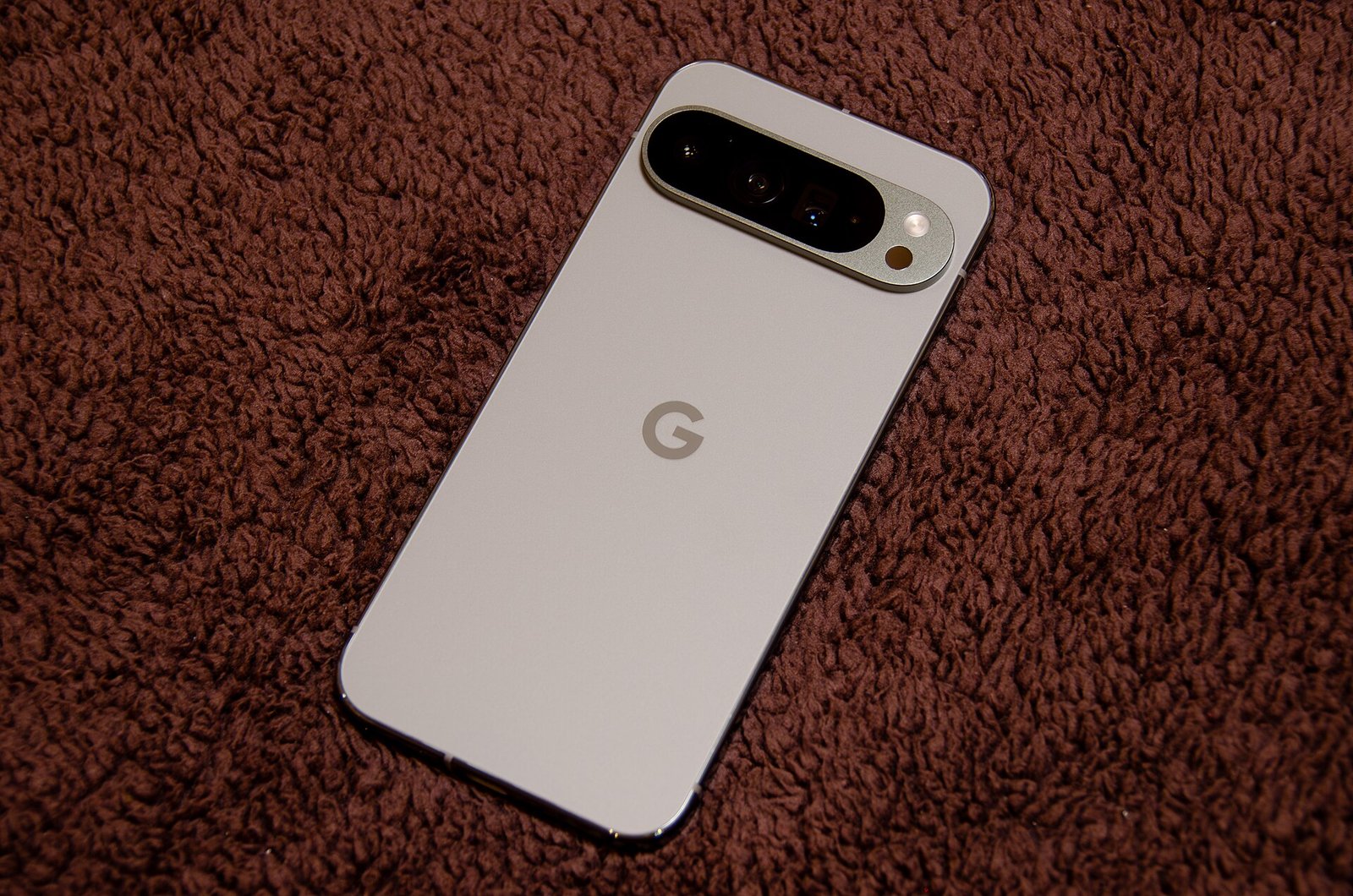
If you look at recent mobile phone price trends, the Google Pixel 11 series is a masterclass in aggressive lifecycle management. When the Pixel 11 debuted, paying full price felt like a standard commitment to early adoption. Yet, just weeks later, we are seeing the base model drop to $699. Even the high-end 1TB Pixel 11 Pro has seen a significant 21% price slash on Amazon.
This isn’t just about clearing shelf space; it highlights why mobile phone prices are increasing for manufacturers but dropping for you. Brands are dealing with volatile memory costs, forcing them to balance initial margins against the need for rapid sales volume. If you were eyeing a high-end device, checking the iPhone 18 Pro vs Pixel 11 Comparison: Which 2026 Flagship to Buy? is smart, but don’t ignore these early seasonal discounts.
Why buy on day one if a 20% discount arrives by the time your first statement hits? To manage your own budget, apply this simple rule: if a flagship isn’t a "must-have" for your specific workflow, wait thirty days. The market volatility we see with the Pixel 11 proves that official store pricing often acts as a ceiling, not a fixed cost. By holding off, you let the retailers fight for your business, effectively turning these smart phones and prices into a win for the savvy buyer.
Why Early Holiday Deals Are Replacing Traditional Launches
Gone are the days when you had to wait until the final Friday of November to score a decent deal. In 2026, we are seeing a massive shift in mobile phone price trends where major discounts hit the shelves in October and early November. Manufacturers now prioritize aggressive early-holiday pricing to move units quickly, effectively turning the launch period into a short-term window before the inevitable price drop.
Retailers are using these early markdowns to clear inventory effectively. For example, the Pixel Watch 5, which only launched in August 2026, is already hitting its lowest-ever price of $300, as reported by CNET. This strategy isn’t just about clearing warehouse space; it is about keeping momentum high while competitors fight for your attention.
This cycle has changed how we perceive smart phones and prices. When a premium device like the Pixel 11 drops to $699—matching its lowest price ever, according to Android Headlines—just weeks after release, the launch MSRP starts to feel like a "suggested" price rather than a fixed reality.
Smart shoppers now treat the official launch price as a signal to wait. By tracking phones retail price trends, you can often save hundreds compared to buying at release. It is no longer a gamble to hold off; it is a standard approach to managing your budget in this era of rapid retail price fluctuations.

Comparing Retailer Discounts vs. Official Store Pricing
When you hunt for the best mobile phone trends, you’ll quickly notice a gap between official manufacturer stores and massive retailers. Google’s official store might keep the Pixel 11 at its launch price for months, while retailers like Amazon are already slashing prices to $699. Retailers often use these aggressive cuts to clear inventory or drive traffic, whereas official channels prioritize brand equity and fixed margins.
Buying from third-party sellers can save you cash, but it changes the support dynamic. If you snag a bargain, always confirm the device is "sold and shipped by" a trusted major retailer. Buying from unknown third-party marketplaces often complicates warranty claims or return windows. Official channels typically ensure you get the full manufacturer support, which matters if a hardware defect appears early. Sometimes, you are better off paying a premium for that peace of mind, especially if you are looking at performance-focused hardware like the Infinix GT 50 Pro BGMI FPS: 90 or 120fps? Settings, Price & Gaming Kit.
To ensure a discount is actually a deal, use price history trackers like CamelCamelCamel. These tools show you if the "all-time low" is legitimate or just a temporary fluctuation. Never jump at a price based on a red "sale" banner alone. By monitoring these patterns, you gain a clear view of mobile phone price trends, allowing you to buy when the value is highest without overpaying for early-adopter excitement.
How to Evaluate ‘All-Time Low’ Claims
Retailers love slapping an "all-time low" badge on everything, but don’t let a bold red price tag fool you. In the volatile world of current mobile phone price trends, these labels often ignore the initial launch price or compare against an artificially inflated MSRP. A true all-time low isn’t just cheaper than yesterday; it is the lowest price the device has reached since its official debut.
Before clicking buy on that discounted Pixel 11, use a price history tracker. These sites chart the actual phones retail price trends over weeks or months, showing you if the current discount is genuinely significant or just a temporary fluctuation. If a store slashes the 1TB Pixel 11 Pro by 21%, verify that against the historical average rather than just the manufacturer’s suggested retail price.
Smart Shopping Steps
- Check the history: Use tools like CamelCamelCamel or Keepa to see if the price has dropped lower in previous months.
- Set automated alerts: Don’t waste time checking daily; let trackers email you when a specific model hits your target price point.
- Verify the vendor: Ensure the "all-time low" isn’t coming from an unverified third-party seller that might complicate your warranty.
Remember, why mobile phone prices are increasing often boils down to complex supply chain pressures, like the memory costs recently flagged by industry leaders. If a price seems too good, cross-check it against official store pricing to ensure you aren’t sacrificing support for a temporary bargain.
Long-Term Value: Resale and Support Cycles
When you look at the total cost of ownership, the initial sticker price is just the entry fee. A flagship device like the Pixel 11, which recently hit an all-time low of $699, offers a much better value proposition than a mid-range phone at the same price point. Because flagships usually receive longer software support cycles, you aren’t just buying better hardware; you’re buying a device that stays secure and functional for years.
Many users are now wary of early-cycle premium tags, which is why we see a Smartphone Flagship Crisis: Why Buyers Are Skipping New Models. When you catch a 21% discount on a high-capacity model, the depreciation hit you take upon unboxing is significantly reduced. You’re essentially betting on the manufacturer’s commitment to updates to keep the device relevant for three to five years.
Value Comparison: Discounted Flagship vs. New Base Model
| Feature | Discounted Flagship | New Base Model |
|---|---|---|
| Hardware | Premium | Mid-range |
| Software Support | Longer (5+ years) | Moderate (3-4 years) |
| Resale Value | Higher retention | Drops rapidly |
Smartphones and prices are volatile, but buying a discounted flagship is a smarter play than picking up a brand-new base model. The base model might have a newer processor, but it often lacks the build quality and camera sensors that maintain resale value. Given that memory costs are currently at an "unprecedented" high, buying a high-capacity flagship at a discount is a rational financial move. By prioritizing long-term support and build quality over "newness," you effectively insulate your wallet from the current upward mobile phone price trends.
India Market Context: Local Pricing and Availability
In India, global mobile phone price trends don’t always translate directly to the sticker price you see on Amazon.in or Flipkart. While the US market sees the Pixel 11 drop to $699, Indian buyers face a different reality shaped by high import duties and the standard 18% GST. These extra costs often insulate the local market from the aggressive, immediate price cuts we see abroad.
Why are mobile phone prices increasing here? It is a mix of global memory cost surges—as noted by Apple leadership recently—and local tax structures. While global brands might slash prices by 21% on Amazon US, Indian retailers usually wait for major festive events like Diwali or mid-year sales to offer similar value. Because of these phones retail price trends, you rarely see the same volatility in Indian smartphone price trends that you might track in Western markets.
If you are hunting for smart phones and prices that make sense, follow this strategy:
- Avoid day-one launches unless you need the device immediately.
- Wait for post-festive inventory clearance.
- Compare official store pricing against bank-specific cashback offers, which often provide the real discount in India.
Brands often align their regional pricing with these cycles. Stick to these patterns to avoid overpaying as global price shifts trickle into the Indian market.
Watch: Smartphone Price Crisis 2026 Explained!🔥🔥🔥
Frequently Asked Questions
Why are flagship smartphones getting discounted so quickly in 2026?
In 2026, manufacturers are shifting inventory faster to keep pace with demand. We have seen the Pixel 11 drop to $699 just weeks after launch, proving that mobile phone price trends are moving away from fixed launch pricing. Brands are balancing high component costs against the need to move units before holiday sales, forcing these aggressive, early discounts.
Is it better to buy a flagship phone at launch or wait for a price drop?
If you do not need the latest hardware immediately, waiting is smart. For instance, the Pixel 11 Pro with 1TB storage saw a 21% price slash on Amazon shortly after release. While early adopters get the newest features, those who wait for these retail price trends can save hundreds of dollars, making mid-cycle purchases better for your wallet.
How can I verify if a ‘lowest-ever’ price deal is actually a good value?
Do not just trust a "sale" sticker. Use price tracking tools to see if the current price matches the all-time low. For example, recent reports confirmed the Pixel 11 matched its lowest price of $699 on November 4. Comparing current smart phones and prices against historical data ensures you are not falling for inflated discounts that hide the real value.
Do memory cost increases affect the resale value of my current phone?
Yes, indirectly. When memory prices are "unprecedented," as noted by Apple’s CEO recently, the baseline cost for new devices climbs. This keeps older hardware relevant for longer, which can stabilize resale values. If mobile phone price increases continue across the board, your current device holds more relative value, as consumers seek affordable alternatives to expensive new flagship upgrades.
Smart Buying in a Volatile Market
If you are watching current mobile phone price trends, you have likely noticed that waiting a few months is no longer just a suggestion—it is a financial necessity. With memory costs hitting historic highs, manufacturers are inflating launch prices, but the retail reality is that these devices often see significant discounts before the first quarter ends. Seeing the Pixel 11 drop to $699 so quickly proves that early adopters are effectively paying a premium for the privilege of being first.
Understanding why mobile phone prices are increasing is the only way to avoid buyer’s remorse. My advice? Stop looking at the "all-time low" marketing hype. Instead, install a price tracker extension. Before you hit buy, compare the current Amazon or official store price against the last 90 days. If the graph is not trending downward, wait for the next holiday cycle. Patience saves you hundreds.

Join the conversation