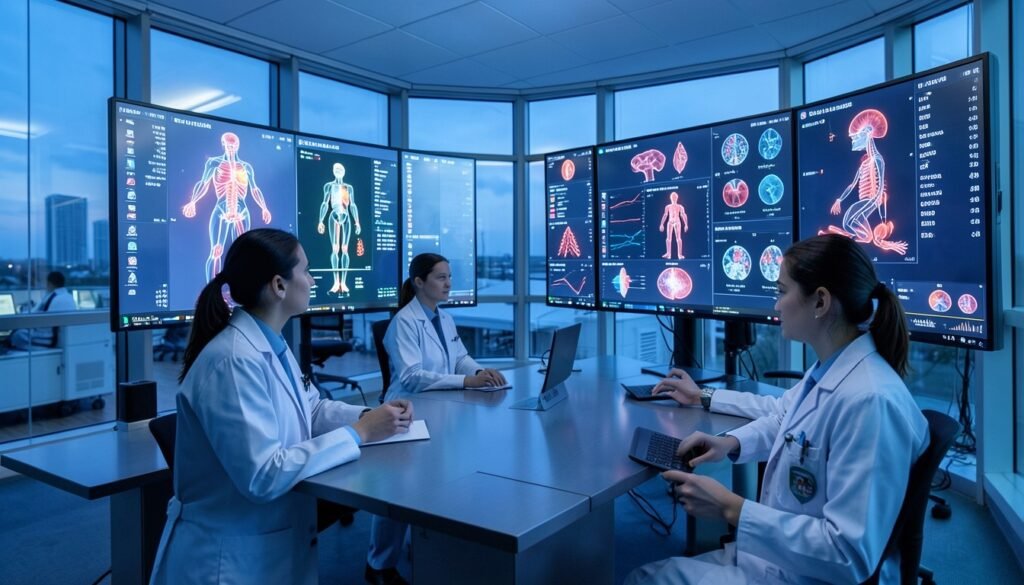
The AI-Powered Diagnostic Revolution
Artificial intelligence (AI) is fundamentally transforming healthcare diagnostics, moving beyond traditional methods to deliver unprecedented precision and speed. By analyzing complex medical data—from imaging scans to genetic sequences—AI algorithms identify patterns invisible to the human eye, enabling early disease detection and reducing diagnostic errors.
Key Applications:
- Radiology & Imaging: Deep learning models like Google’s LYNA detect breast cancer in mammograms with 99% accuracy, surpassing human radiologists in speed.
- Pathology: AI systems analyze tissue biopsies to identify cancerous cells, reducing false negatives by up to 30%.
- Cardiology: Tools like Mayo Clinic’s AI-ECG diagnose heart conditions from electrocardiograms, often before symptoms manifest.
Beyond Detection: Predictive and Personalized Medicine
AI’s predictive capabilities revolutionize patient care through:
- Risk Stratification: Machine learning models predict sepsis 24 hours earlier than conventional methods, improving survival rates.
- Personalized Treatment: IBM Watson for Oncology cross-references medical literature to recommend tailored cancer therapies based on genetic profiles.
- Drug Development: AI accelerates drug discovery—companies like Insilico Medicine use generative adversarial networks (GANs) to design novel molecules in months instead of years.
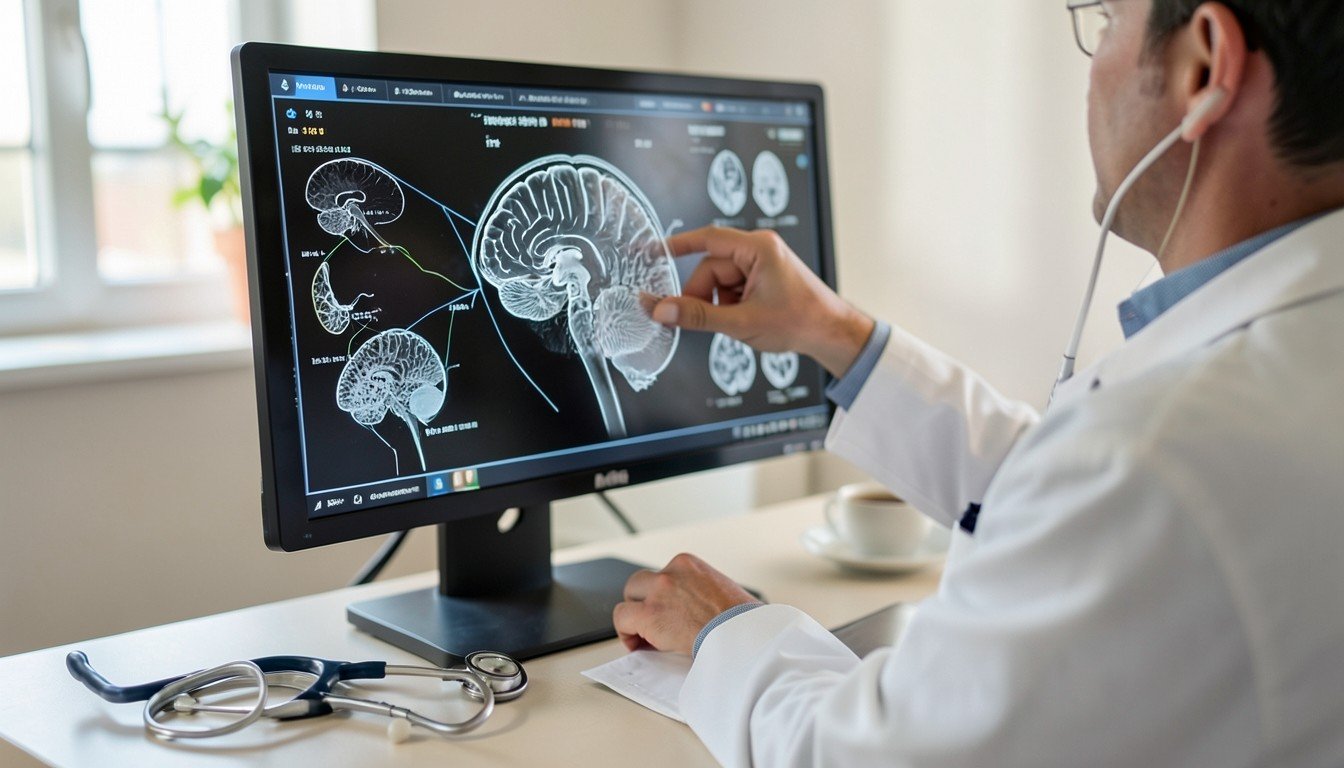
Navigating Challenges: Ethics and Implementation
Despite breakthroughs, critical hurdles persist:
- Data Privacy: HIPAA-compliant frameworks are essential to protect sensitive patient data used in training algorithms.
- Algorithmic Bias: Underrepresented populations in training datasets risk inaccurate diagnoses; diverse data collection is paramount.
- Clinician Trust: Explainable AI (XAI) techniques help doctors understand model decisions, fostering adoption.
The Future Landscape: Integration and Innovation
Emerging trends point toward:
- Federated Learning: Training models across decentralized hospital data without sharing patient information.
- Ambient Intelligence: AI-powered ambient clinical environments automatically document patient interactions, reducing administrative burdens.
- Global Equity: Cloud-based AI diagnostics expand access in low-resource regions, as seen with Google’s diabetic retinopathy screening in India.
Conclusion: A Collaborative Horizon
AI in healthcare isn’t about replacing clinicians—it’s about augmenting human expertise. As regulatory frameworks evolve and interdisciplinary collaboration deepens, AI will unlock a new era of proactive, precise, and equitable care. The fusion of medical science and machine intelligence promises not just longer lives, but healthier ones.