Who is responsible for driving?
Driver-assistance features can help with parts of the driving task while still requiring the driver’s attention. Higher levels of automation describe different responsibilities and operating conditions. A feature name alone is not enough to determine what a vehicle can do.
Read the conditions
NHTSA distinguishes driver assistance from automated driving systems. Check where the system operates, when it can be used, and what the driver must do if conditions change.
A better way to cover AI cars
Reporting should identify the specific feature, model, market, and level of supervision. A demonstration on one route does not establish that a car can drive itself everywhere. Consult the manufacturer’s instructions for the actual vehicle.
Read the feature, not the feeling
A smooth demonstration can make a system look capable in a general sense. Reporting needs a more specific description. Which driving tasks were performed? In what conditions? What was the person in the vehicle required to do?
NHTSA’s explanation distinguishes driver-assistance technologies from automated driving systems. It is a useful starting point for vocabulary, while the actual vehicle’s instructions remain essential for understanding a specific feature. This article does not establish the capability of any pictured car.
A sensor is not a promise of autonomy
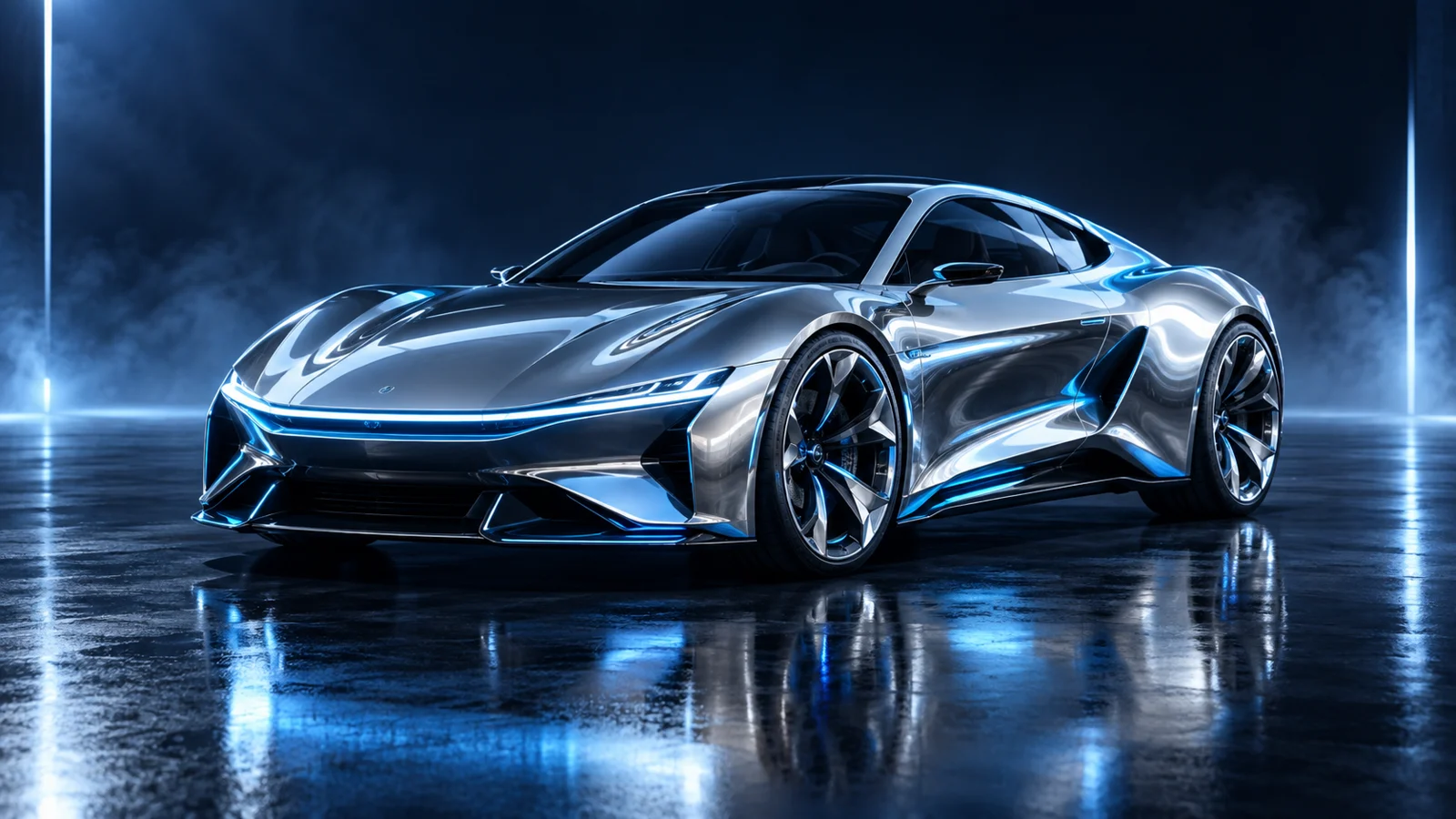
The concept car on this page separates bodywork, wheels, a battery platform and a roof sensor. It is an original explanatory model, not a mechanical diagram of a production vehicle.
Its purpose is to make a system of parts easier to imagine. A visible sensor cannot tell a reader how a real vehicle’s software behaves, where a feature operates, or who carries the driving responsibility. Those questions require evidence about the actual system.
Turn a headline into a checklist
For each story, write down the feature name, vehicle model, market, operating conditions and supervision requirements. Check whether the report concerns a test, a limited service or a feature available to ordinary customers.
If any of those details are missing, keep the uncertainty in the article. Do not fill the gap by assuming that an overseas demonstration applies to another country or that a successful trip proves general capability.
Keep the reader’s next step practical
The useful next step is to consult the manufacturer’s documentation for the exact vehicle and feature. Promotional names, photographs and short clips do not replace operating instructions.
AI car coverage is strongest when it makes responsibilities easier to understand. The headline should describe the capability that is supported by the evidence, with enough context to show where that capability ends.