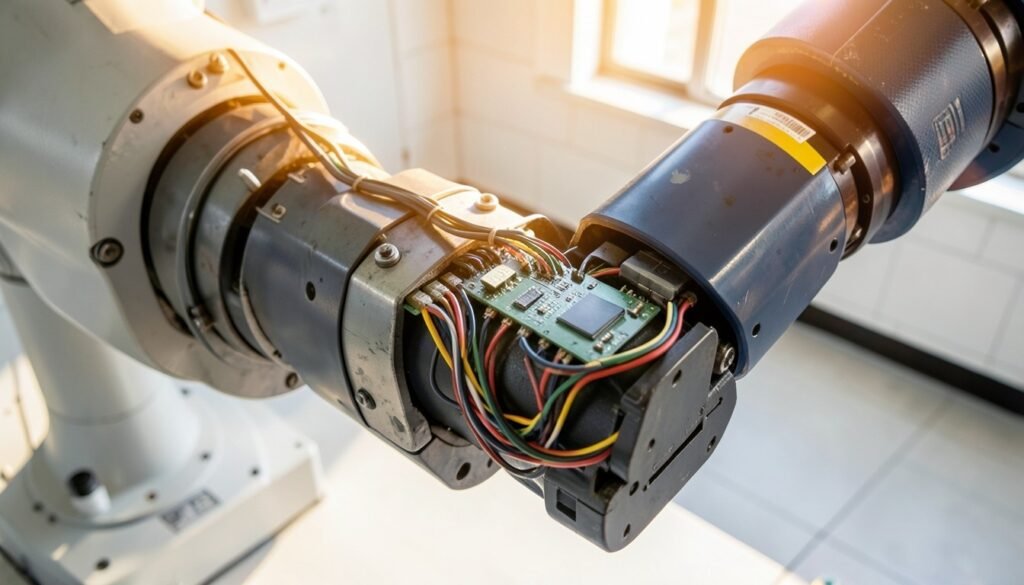
Key takeaways
- Sensor spoofing and signal injection represent the most immediate technical threats to autonomous systems.
- Geopolitical trade restrictions are increasingly shaping the global market for robotic hardware.
- Supply chain transparency is no longer optional for businesses deploying large‑scale robot fleets.
- Security‑by‑design is the only path forward for building resilient, trustworthy machines.
Imagine walking onto a modern factory floor. You hear the rhythmic hum of robotic arms, but that sound is now accompanied by a new kind of tension: the awareness that the machines you rely on can be tricked, intercepted, or compromised.
The Vulnerability of Robot Sensors
When we talk about industrial robot safety, we often focus on software bugs. The real weak point, however, is perception. Most autonomous units depend on lidar, cameras, and force sensors to understand their surroundings. Those sensors operate on predictable physics, which makes them vulnerable to environmental noise or deliberate manipulation.
Sensor spoofing works by injecting synthetic signals into a robot’s perception field. A lidar that measures distance by timing laser pulses can be fooled by a precisely timed external laser, causing the robot to see an obstacle that isn’t there—or to miss a real one. Researchers have demonstrated that simple light patterns can confuse delivery bots and autonomous vehicles, showing that the threat is not merely theoretical.
Standard safety protocols assume that input data is honest. In practice, that assumption is shaky. If you manage a fleet, treat sensor data as fallible as a human eye—only it lacks the intuition to notice when it’s being deceived.
Signal Spoofing: How Bots Get Hijacked
Industrial robots are not sealed boxes; they constantly exchange wireless commands with a control center. An attacker doesn’t always need to breach a firewall; they can broadcast a forged command that the robot trusts.
Simple jamming floods a frequency with noise, disconnecting a bot. More dangerous is signal manipulation: injecting a spoofed GPS coordinate or a falsified sensor packet can make a robot think it’s in a different part of the warehouse. The machine may then move at full speed into a restricted zone or toward a human operator.
Many commercial robotics platforms still rely on standard protocols that were never designed for high‑stakes security. Upgrading hardware alone isn’t enough; the software layer must enforce strong authentication and encryption. Without it, any robot listening to an unencrypted signal is essentially waiting for a malicious prompt.
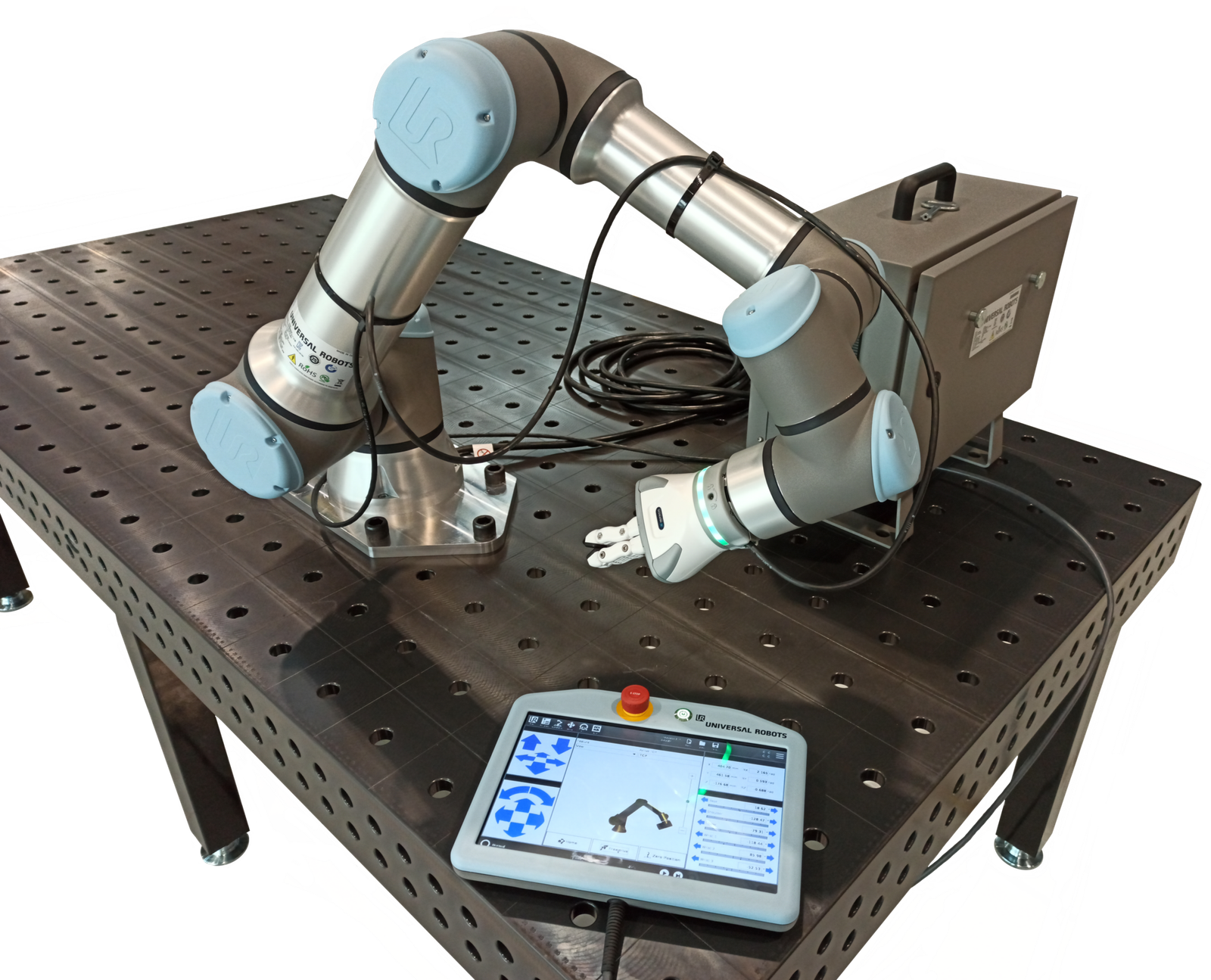
Geopolitical Pressures on Robot Imports
Trade policies are beginning to affect how companies source robotic hardware. Recent government statements have flagged imported factory robots as potential security concerns, prompting manufacturers to reassess supply chains.
The tension is clear: businesses want affordable, efficient automation, yet they also want to avoid reliance on foreign hardware that could contain hidden vulnerabilities. When governments impose import restrictions, manufacturers face a choice between costly domestic alternatives or delayed projects.
This pressure can slow the pace of automation, especially for firms that depend on a global network of component suppliers. While protecting national interests is understandable, overly restrictive policies risk stifling the collaborative innovation that has driven robotics forward.
Supply Chain Integrity and Hardware Backdoors
Buying a robot means buying a global supply chain. The nightmare isn’t just a hacker in a dark room; it’s a malicious firmware embedded long before the machine reaches the factory floor. If a processor is compromised at the factory, no amount of software patching can fully mitigate the risk.
Auditing supply chains has become a priority. Modern arms rely on hundreds of sensors and processors sourced from dozens of countries. Verifying the provenance of each component is a monumental task, which is why governments are issuing guidance on import controls for industrial machinery. For example, the White House statement on robotics imports outlines concerns about potential backdoors.
Enterprises can reduce risk by limiting the attack surface: vet suppliers rigorously, demand transparent firmware update policies, and, where possible, prefer components with documented provenance.

Privacy Concerns in Public Spaces
Robots deployed in malls, transit hubs, or hospitals often carry high‑resolution cameras and advanced sensors. These devices can collect biometric data—faces, gait patterns, even heart rate from thermal imaging.
If the data stores are breached, the fallout goes beyond a lost password; it includes compromised personal identities. Operators should be transparent about data‑sharing policies and provide clear consent mechanisms. Without robust safeguards, the promise of “enhanced security” can quickly turn into a privacy nightmare.
The Regulatory Response
Governments worldwide are moving from light‑touch guidance to mandatory safety frameworks. The goal is to standardize security testing so that a robot deployed in any major market meets a baseline of protection.
Regulatory bodies are also introducing certification requirements for imported robotics. While these measures aim to prevent malicious hardware, they can create fragmented compliance landscapes, making it harder for manufacturers to sell the same product globally.

Designing for Resilience: A Technical Perspective
Security‑by‑design means isolating motion‑control logic from network interfaces. If a network vulnerability is exploited, the robot should not be able to move until a verified, local command clears the gate.
Redundancy is essential. Hardware‑level isolation ensures that a compromised sensor doesn’t crash the entire system. Physical, hard‑wired kill switches remain the most reliable safety mechanism—never rely solely on a remote “off” command.
Fleet managers must adopt automated, verified firmware update cycles. Continuous monitoring for anomalous signals helps contain a breach to a single unit rather than allowing it to spread across the factory floor.
What This Means for Global Business
Import restrictions and heightened security scrutiny mean supply‑chain due diligence is now a core business function. Before signing any contract, verify the origin of critical components and demand full transparency on firmware updates.
Think of robot security like enterprise network security: you wouldn’t connect an unprotected server to the internet, and you shouldn’t deploy autonomous systems without hardened, audited software.
Key Risk Mitigation Steps
- Audit your robot fleet for undocumented communication ports and unknown hardware origins.
- Include cyber‑risk coverage for autonomous systems in your insurance policies.
- Implement physical air‑gapping for especially sensitive robotic controllers.
Frequently Asked Questions
Are home robots safe from being hacked?
No robot is immune. Researchers have shown that spoofing signals can blind safety sensors or cause miscalculations, whether the device sits on a factory line or a kitchen counter.
Why are governments worried about importing robots?
Robots are increasingly viewed as critical infrastructure. Importing complex machinery also imports the code and supply‑chain dependencies behind it, raising concerns about hidden vulnerabilities.
Can a robot be forced to act against its programming?
Yes. If sensor data is compromised, the robot may make dangerous decisions based on a distorted view of reality, even if its core code remains unchanged.
What should I look for in a robot’s security documentation?
Seek clear policies on firmware updates, data encryption, and third‑party audit results. Companies that provide regular, verifiable patching and transparent supply‑chain information are better positioned to protect your operations.
Beyond the Hype: A Pragmatic Path Forward
Industrial robots should be treated like any other critical network asset. With growing geopolitical scrutiny and evolving technical threats, businesses must prioritize fundamentals: secure sensor data, hardened communication protocols, and rigorous supply‑chain validation.
Focusing on these basics will protect capital investments and keep production lines running smoothly, regardless of shifting trade policies or emerging hacking techniques.
Sources and further reading
- White House – Adjusting imports of robotics, industrial machinery, and their parts
- Industry‑focused research papers on sensor spoofing (e.g., IEEE conferences on robotics security)
- Government cybersecurity guidelines for critical infrastructure (publicly available PDFs)



Join the conversation