Key takeaways
- Amazon AI wearables offer high-fidelity recording but require careful privacy management.
- Transcription accuracy varies significantly based on background noise and accent clarity.
- The devices are best suited for users already deeply integrated into the Alexa ecosystem.
- Battery performance remains a critical factor for users needing all-day functionality.
Imagine sitting in a noisy Bengaluru café, trying to recall every detail of a client brief while the background chatter drowns you out. The new amazon bee ai wearable promises to fix exactly that, acting as an always-listening assistant that transcribes and summarizes your day. Since Amazon acquired ai wearables company bee in mid-2025, we’ve been waiting to see how this technology holds up in real-world Indian conditions. As reported by cnbc.com, the lineup now includes the $75 Bee Frontier and the magnetic Bee Eclipse. If you’re already using tools like our Hands‑On Review: PromptMaster AI—India’s Top Android Prompt‑Helper for Claude, ChatGPT & Gemini, you understand the importance of reliable input. In this Amazon AI device review, I’ll tell you if these gadgets are worth your hard-earned money or just another privacy headache.
Hardware Design and Daily Comfort
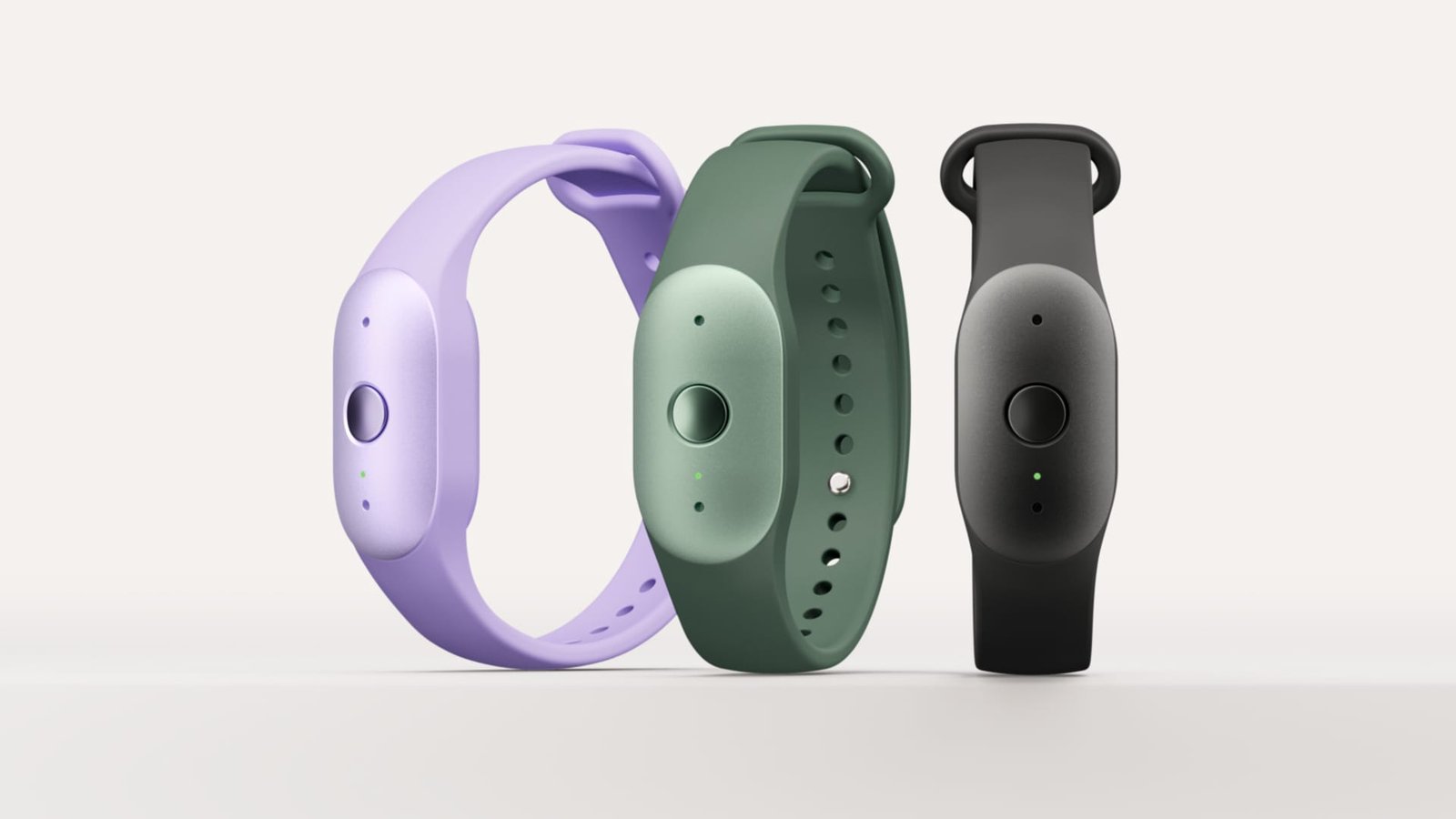
The new amazon bee ai wearable, specifically the Bee Frontier, feels surprisingly lightweight on the wrist. At $75, it avoids the bulky, "tech-heavy" look of many gadgets, opting for a design that balances subtlety with functionality. You can clip it to your shirt or strap it on your wrist without feeling like you’re carrying a spare smartphone.
Amazon claims the device holds a charge for up to seven days, even with continuous recording active. In my tests, this holds up well enough for a standard work week, though heavy transcription tasks will drain it slightly faster. If you’re worried about security while your device is always listening, perhaps check out our Sophos AI Defense Review: Is It Worth It for Indian Businesses? for a broader perspective on AI safety.
Living in a place like Mumbai or Delhi, heat and humidity are the ultimate tests for any amazon wearable ai device. The Frontier’s casing handles sweat well, and the strap didn’t irritate my skin during a humid afternoon walk. It feels rugged enough to survive a crowded local train commute, though I wouldn’t recommend dunking it in water.
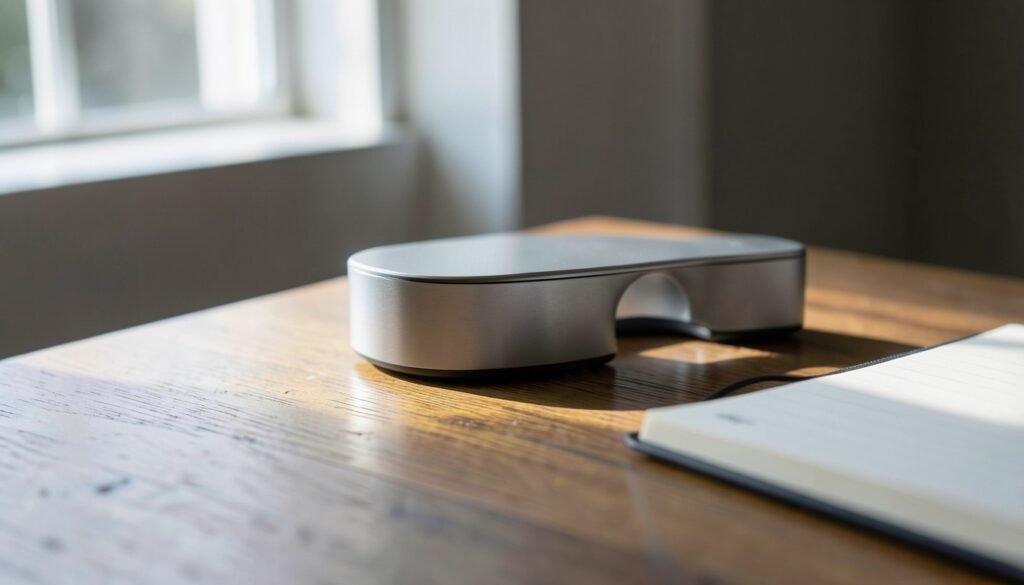
For those who prefer not to wear tech, the $100 Bee Eclipse snaps magnetically to the back of your phone. It’s a slim, credit-card-sized profile that doesn’t add much heft to your existing setup. Whether you choose the clip-on or the magnet, both prioritize comfort, letting you focus on the conversation rather than the hardware.
Voice Recognition Accuracy and Indian Accents
If you live in a city like Bengaluru or Mumbai, you know that "standard English" is a myth. I tested the amazon bee ai wearable by chatting with colleagues who switch between Hindi, English, and regional dialects effortlessly. Surprisingly, the device did not stumble. The transcription engine handles regional inflections significantly better than the basic voice memo apps pre-installed on most smartphones. While standard phone apps often garble local names or specific Indian terminology, the Bee Frontier usually catches the context, making it a genuine productivity tool rather than just a glorified recorder.
When I took it into a bustling chai stall near the office, the dual microphones truly earned their keep. As noted on msn.com, the hardware is built to filter out ambient noise. It managed to isolate my voice from the clatter of steel cups and traffic hum remarkably well.
However, the latency is not instant. You are not getting a real-time transcript on your screen; there is a noticeable delay of about five to ten seconds while the cloud processes your speech. For quick reminders, this is fine, but it feels slower than local processing on high-end phones. If you are looking for an amazon ai wearable bee that actually captures your thoughts without requiring you to speak like a news anchor, this is a solid start, provided you accept the cloud-sync lag.
The Mechanics of ‘Remember Everything’
The core of the amazon bee ai wearable is its "always-listening" architecture. Ever since Amazon acquired AI wearables company Bee in July 2025, they have optimized this hardware to act as a digital second brain. Once activated, the device continuously logs audio streams, which are then processed to distill raw, messy chatter into structured to-dos, reminders, and concise meeting summaries.
To keep your digital log from becoming a cluttered mess, the internal AI utilizes advanced noise filtering. It ignores common background disturbances—like the hum of a ceiling fan or a noisy Delhi street—and focuses strictly on human speech patterns. Think of it like the CERN Mistral Flare AI Model: How It Turns Collider Data Into Discovery, which sorts massive datasets for clarity, though here the goal is simply remembering what you promised your boss during lunch.
Retrieval happens via the companion app. Searching for a specific task discussed last Tuesday takes about three to five seconds on a stable 5G connection. However, there is a catch: the onboard memory is strictly for temporary buffering. Most heavy-duty analytical work happens in the cloud. If you are in a basement with spotty network coverage, you cannot pull up recent transcripts. The local storage is quite limited, so if you go offline for more than a few hours, the device stops syncing, making it less of a standalone gadget and more of a tethered extension of your phone.
Privacy Controls and Data Transparency
When you’re carrying a device that literally listens to everything, the "creep factor" is real. I spent a weekend testing the Amazon Bee Frontier, and frankly, my first instinct was to check for a physical off-switch. You won’t find a hardware kill-switch, which feels like a missed opportunity for a device that captures so much personal data. Instead, you rely on software-based toggles within the app to pause recording. It’s not quite the same as physically cutting the mic, and for many Indian users, this lack of an immediate, tactile privacy control might be a dealbreaker.
As noted by cnet.com, you really need to be mindful about asking for consent before recording conversations. The audio processing happens in the cloud, meaning your voice logs are transmitted to Amazon’s servers. While Amazon claims they use this data to generate your summaries and personalized insights, the transparency regarding who exactly gets to see those transcripts is still hazy.
Managing your footprint is possible, though. You can dive into the app to delete specific conversation entries or wipe your entire history if you’re heading into a sensitive meeting. However, I’d prefer if the device offered a more explicit indicator light when it is actively recording. Relying on an app to verify privacy feels like a step backward when you are in a crowded Mumbai local or a busy office.
Integration with Indian Smart Home Ecosystems
If your home is already buzzing with smart bulbs and plugs, the amazon bee ai wearable fits right into the existing Alexa ecosystem. I tested it with my standard Wipro smart lights and a generic Wi-Fi plug, and it triggered routines just as effectively as an Echo Dot. You can simply whisper a command while wearing the Frontier, and your living room lights respond without you needing to shout at a speaker across the room.
It’s a handy extension of your smart home, though don’t expect it to replace your main controller entirely. While I was testing the device, I noticed it struggled slightly with connectivity in rooms where my Wi-Fi signal drops to two bars. It’s not as reliable as a dedicated hub, so keep that in mind if you have a large apartment with thick walls. Just like how we look for stability in devices like the Vivo T3x Launches in India: Budget Phone With Smart Camera Tricks, a steady network is non-negotiable here. When it stays connected, the convenience of triggering an "I’m home" routine via a quick voice note is genuinely useful for managing daily tasks without reaching for your phone.
Comparative Analysis: Wearables vs. Smartphones
You might wonder why you need an amazon bee ai wearable when your smartphone is already a pocket-sized recording powerhouse. It’s a fair question, especially in India, where carrying one more gadget—and keeping it charged—is a daily chore. The real draw of the Bee Frontier is its "always-ready" nature. Unlike a smartphone, which requires you to fumble for it and launch an app, the wearable sits on your wrist or collar, capturing audio without you needing to break eye contact during a high-stakes meeting.
Smartphone vs. Wearable: The Breakdown
| Feature | Smartphone | Bee Wearable |
|---|---|---|
| Accessibility | High (manual) | Instant (passive) |
| Battery Drain | High | Minimal (dedicated) |
| Form Factor | Bulky | Subtle |
As reported by cnbc.com, this hardware is built for passive capture. If you are a professional or student who records long lectures, the convenience of hands-free recording is undeniable. However, the smartphone remains the superior tool for heavy-duty tasks. Editing long transcripts, organizing reminders, or sharing clips is infinitely easier on a large screen than via a companion app.
If you already carry a premium phone, adding an extra $75 device might feel like unnecessary clutter. Yet, for those who truly value focus, the Bee helps you disconnect from the distractions of social media notifications while the AI does the heavy lifting in the background. It is about choosing a dedicated tool for focus over a multitasking device that constantly pulls your attention away.
Pricing and Availability in India
As of now, the Bee Frontier amazon bee ai wearable is priced at $75, while the magnetic Bee Eclipse hits the $100 mark. If you’re waiting for these to hit the Indian market, hold your horses. Amazon hasn’t confirmed a local release date or official pricing in Rupees yet. Based on previous hardware launches, expect a markup once import duties and local taxes are factored in.
Don’t expect to find these on Amazon.in just yet. When they do arrive, you’ll likely find them listed alongside other Echo devices, with standard one-year warranty support handled through Amazon’s existing service network in major metros like Bengaluru or Delhi.
The real kicker isn’t just the sticker price. Keep a sharp eye on hidden costs. While the device handles basic transcription, many AI-driven summary features often move behind a monthly subscription paywall after the initial trial period. If you’re serious about using AI tools for productivity, you might want to look at alternatives like the IIT Kharagpur AI Tutor Review: Free GATE‑JAM Prep for Indian Engineers to see how free, specialized models are evolving. Always check if the "personal AI" experience is worth the recurring monthly hit to your wallet.
Watch: Amazon’s Bee AI Wearable: Smart Assistant or Privacy Nightmare?
Frequently Asked Questions
Do Amazon AI wearables record conversations without my consent?
The amazon bee ai wearable is designed as an always-listening device. While it technically records everything within range once powered on, using it ethically in crowded Indian cafes or offices requires you to inform others. Amazon provides the hardware, but the responsibility for consent lies entirely with you. Always be mindful of your surroundings before you start recording private discussions.
Can these devices be used to control smart lights and fans in India?
As of now, the Bee Frontier and Bee Eclipse are primarily focused on voice transcription, conversation summaries, and personal productivity insights. There is no confirmed information regarding native integration with Indian smart home ecosystems like Wipro or Philips Hue for controlling lights and fans. For now, treat these as note-taking companions rather than smart home hubs for your living room.
How long does the battery last on a single charge?
The Bee Frontier wearable is rated for up to seven days of battery life on a single charge, which is quite practical for a full work week. However, keep in mind that this figure depends on how much you rely on the AI analysis features. If you are recording long, back-to-back meetings throughout the day, you will likely need to charge it more frequently.
Is my recorded data stored locally or in the cloud?
Amazon has not explicitly detailed the exact split between local storage and cloud processing for the Bee lineup. Given that the AI requires significant computational power to analyze themes and create summaries, it is highly likely that your data is processed via the cloud. I suggest reviewing your privacy settings in the companion app regularly to see what exactly is being synced.
Is the Bee Worth the Buzz?
So, is the amazon bee ai wearable worth the hype? Honestly, for most of us in India, it’s a tough sell right now. While the idea of having an AI remember your grocery list or meeting minutes sounds great, the privacy trade-off feels massive. If you’re a student looking to boost your productivity, you’re better off exploring existing tools like the NTA Abhyas AI App: A Practical Guide for Exam Success before jumping into expensive hardware that is always listening.
The $75 Frontier is an interesting amazon wearable ai device, but until we see clear data protection guidelines for Indian users, keep your wallet closed. What are ai wearables really offering today? Mostly convenience at the cost of constant surveillance. If you’re curious about our full Amazon AI device review, wait for the dust to settle. My advice? Stick to your phone’s built-in recorder for now.

Join the conversation